
Exterior and front elevation tiles: stone cladding looks for Indian homes
The front elevation is the first thing anyone sees of a house. Stone cladding, slate and brick looks in matt or rustic finishes stay good-looking through sun and rain, at a fraction of the weight of real stone. Here is how to choose them and fix them properly.
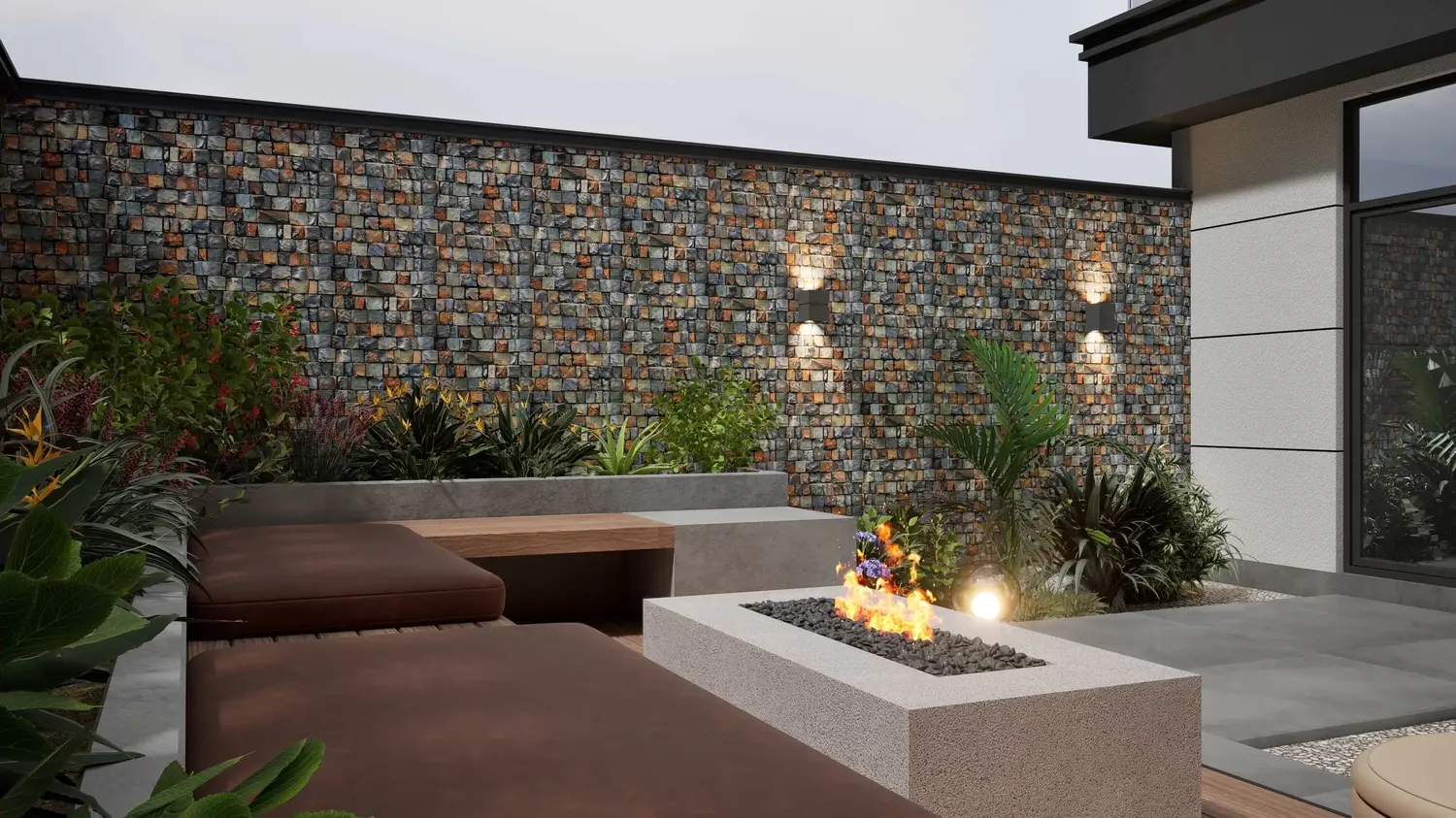
Elevation tiles cover part of a building's outside walls: the front facade, pillars, the boundary wall or a balcony. They protect the plaster from rain, cut down on repainting and give the house a finished look.
Where elevation tiles go
- Front facade. A panel around the entrance, a column up the stairwell, or the parapet.
- Pillars and porch. Tiled pillars frame the entrance.
- Boundary and compound walls. Tiles stay clean far longer than paint.
- Balconies and terraces. A tiled wall turns a terrace into a sitting area.
Looks that work outdoors
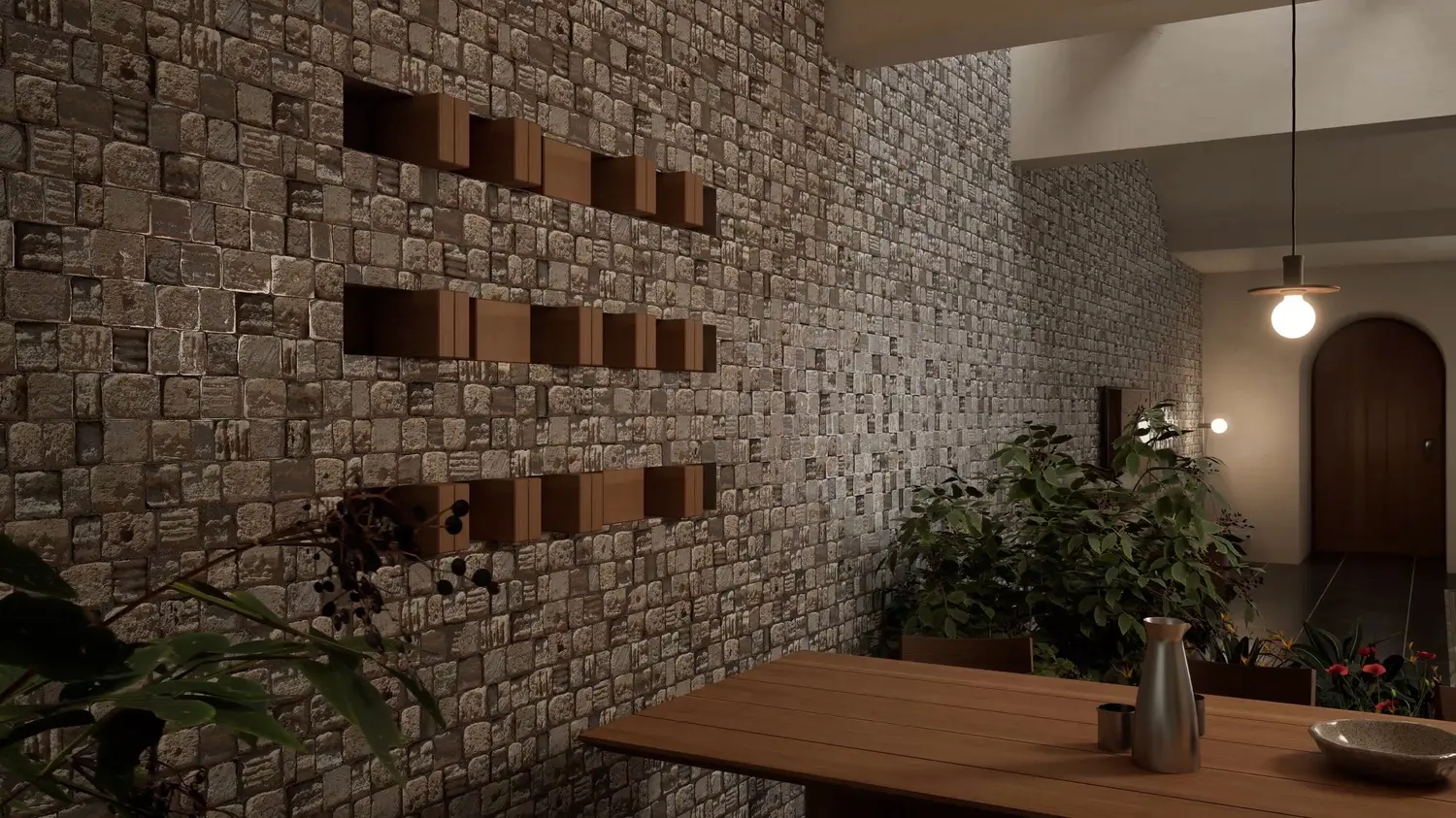
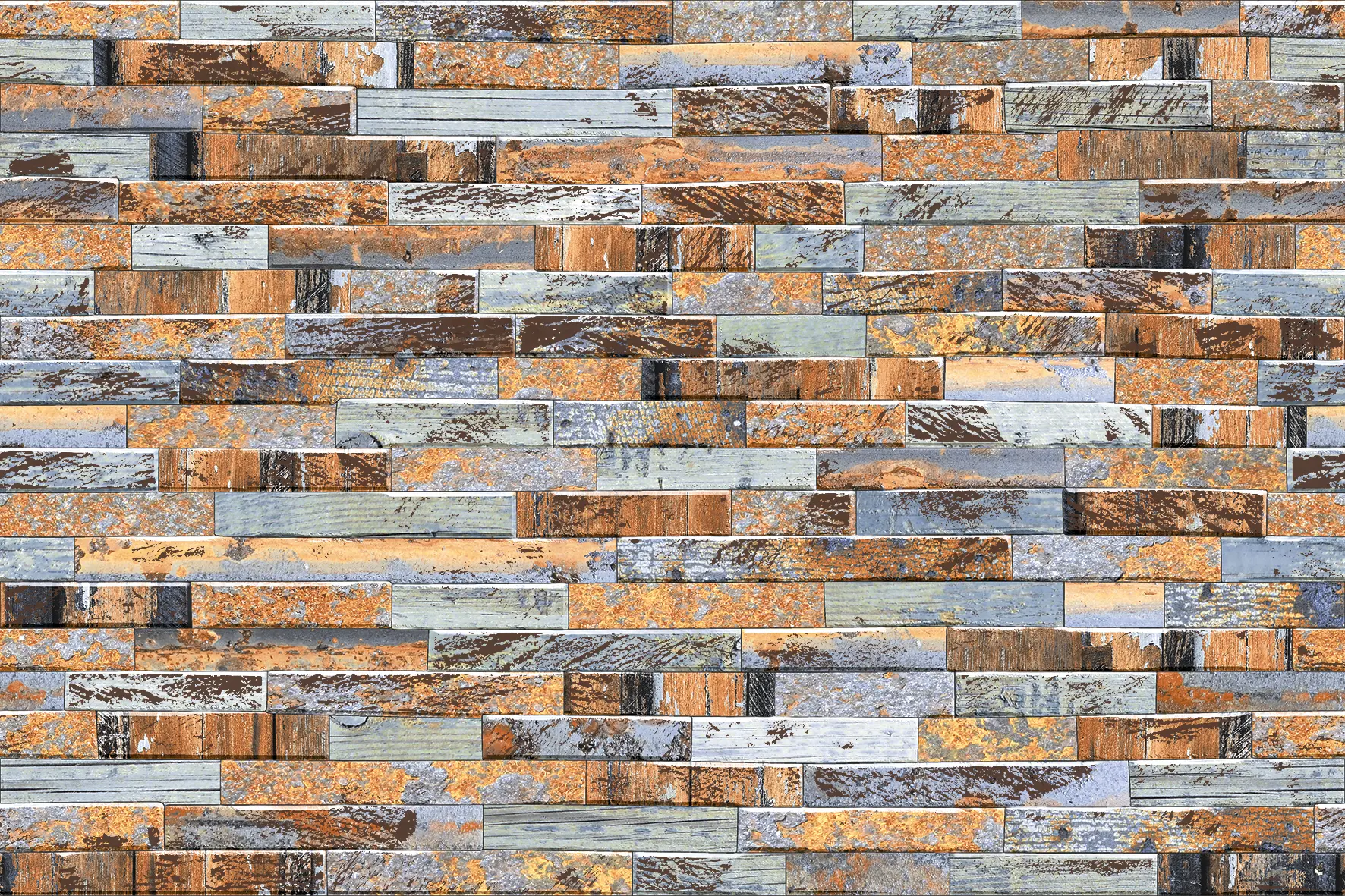
Stone and slate cladding looks suit almost every house and hide dust and rain marks.
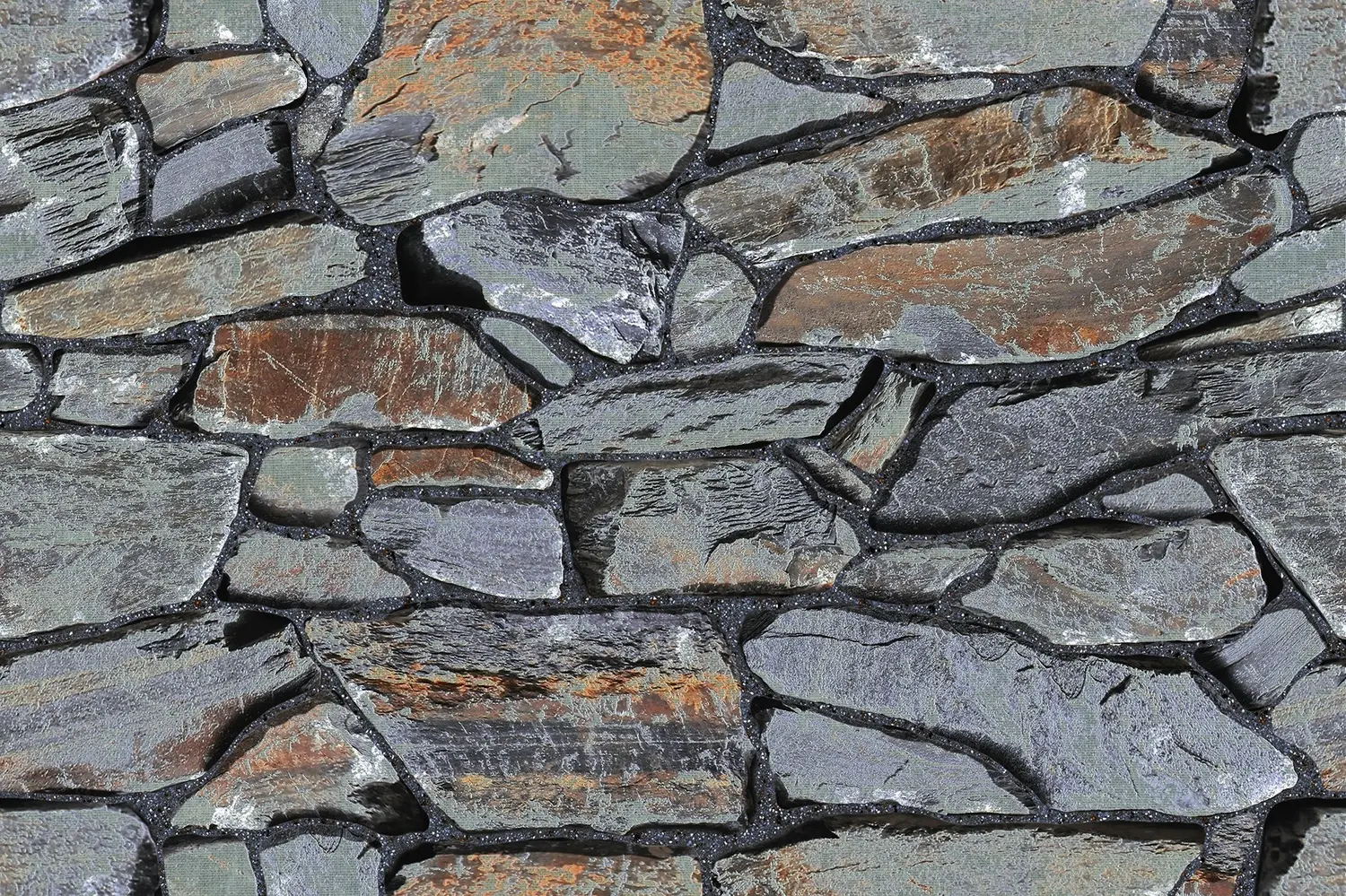
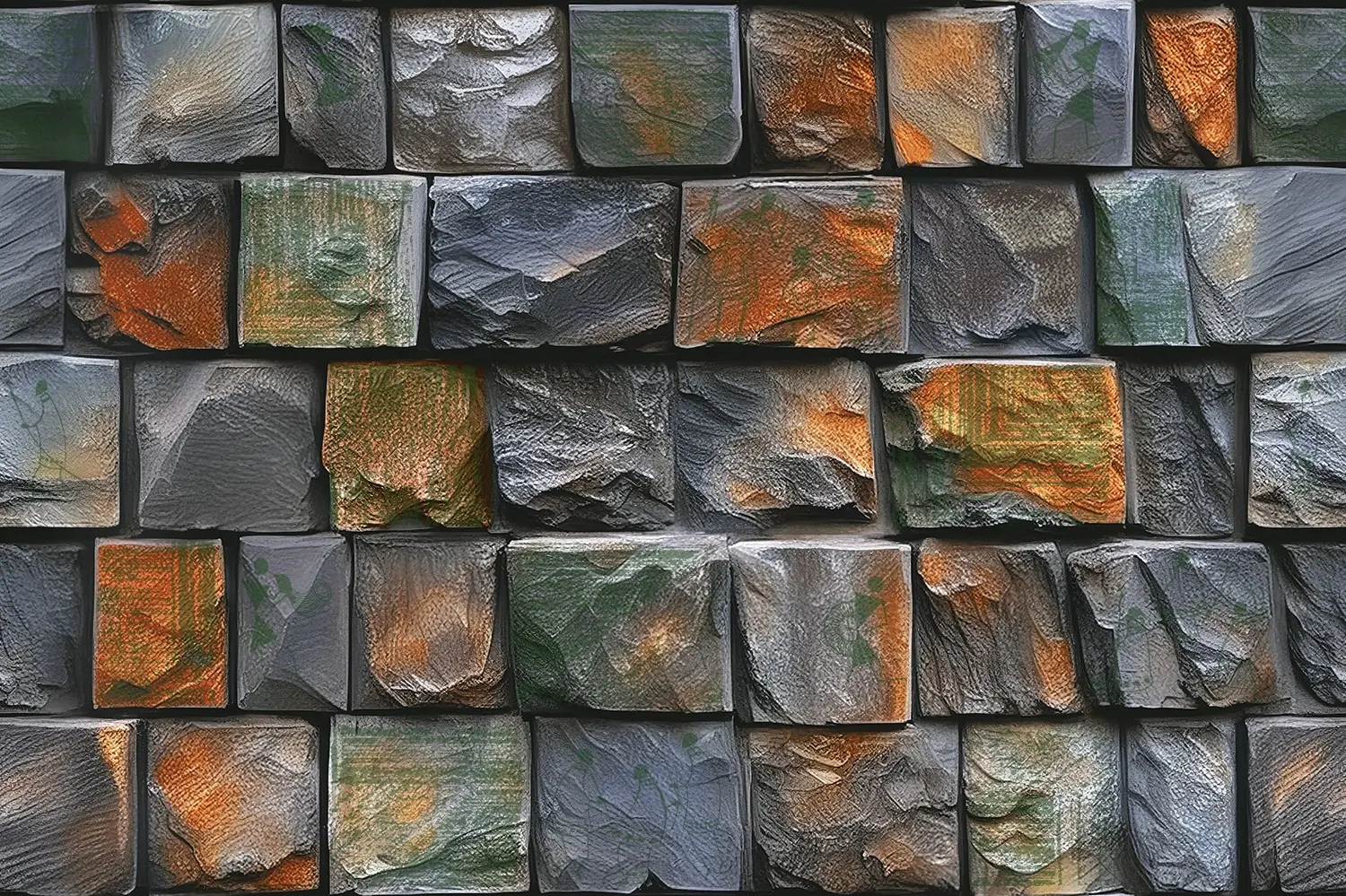
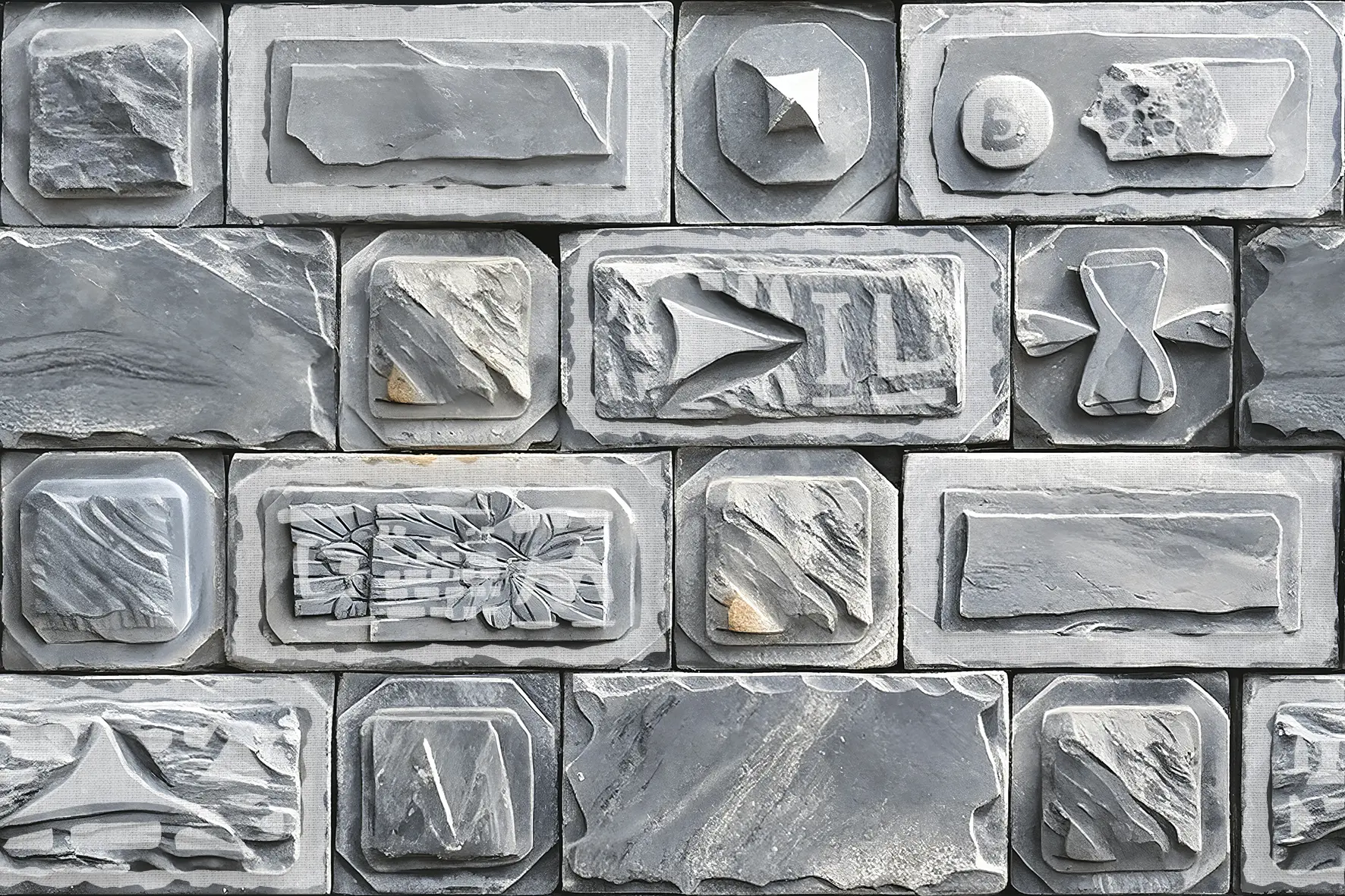
Brick and ledger stone looks bring warmth to a front wall or a terrace.
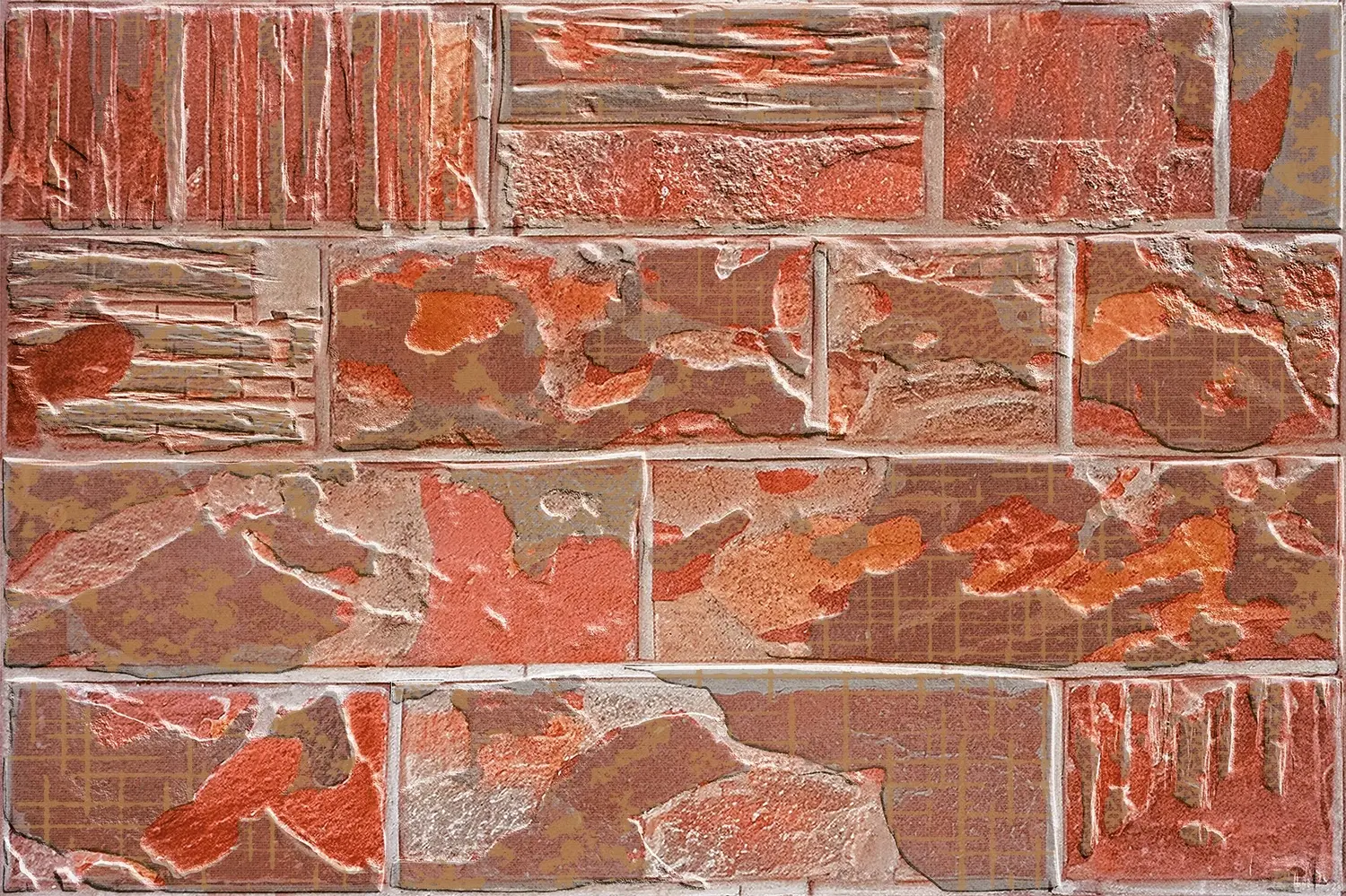
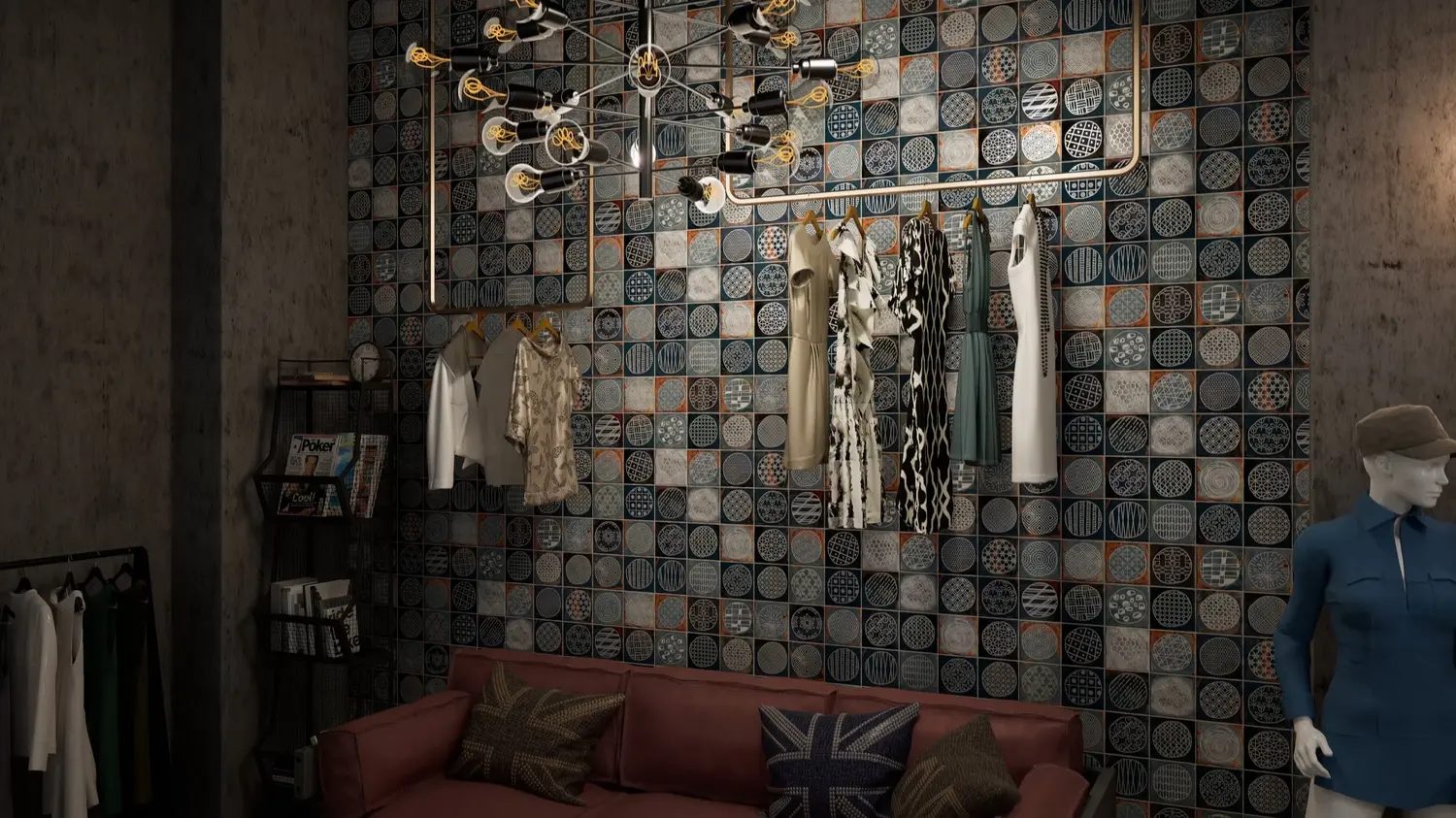
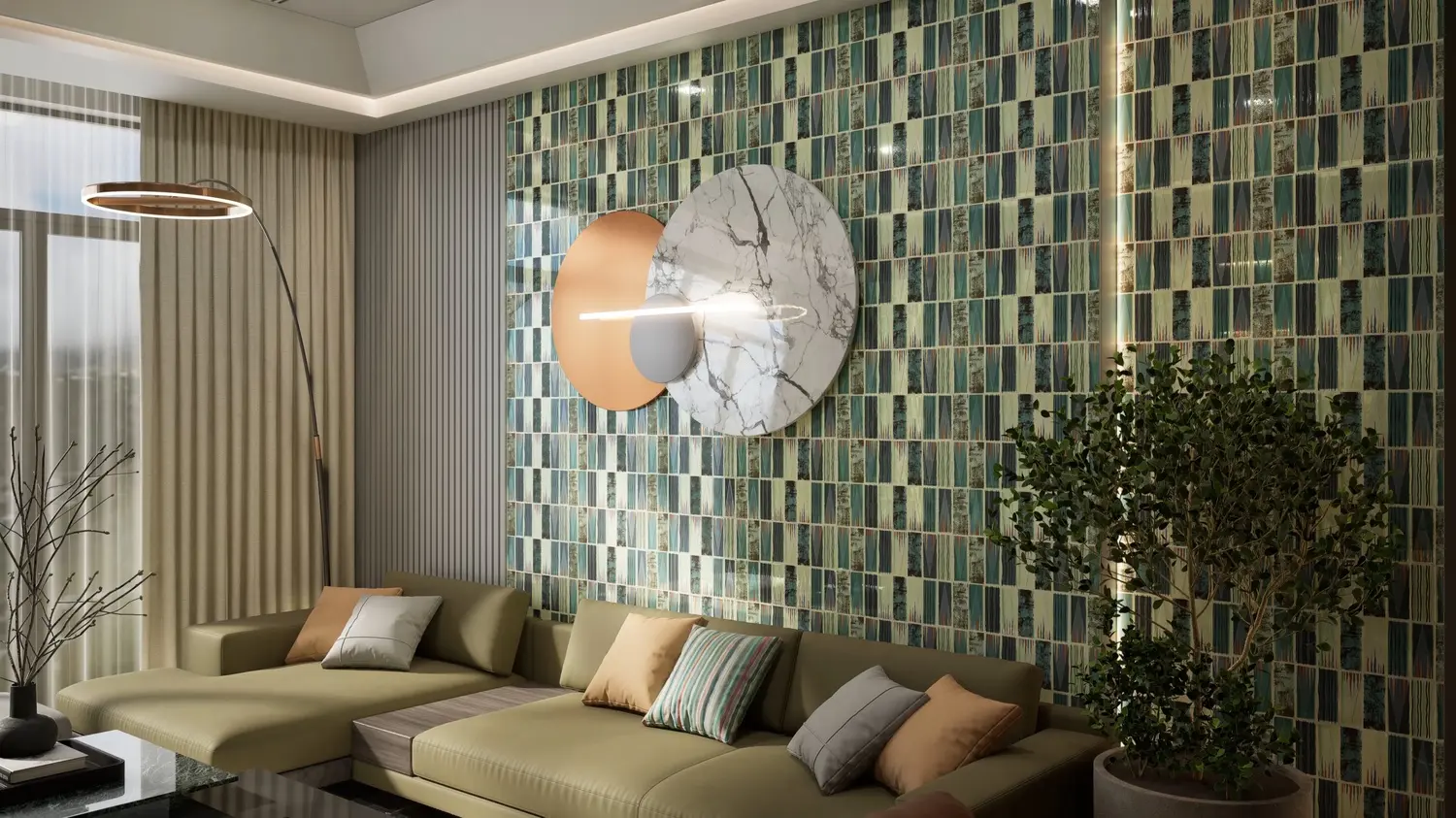
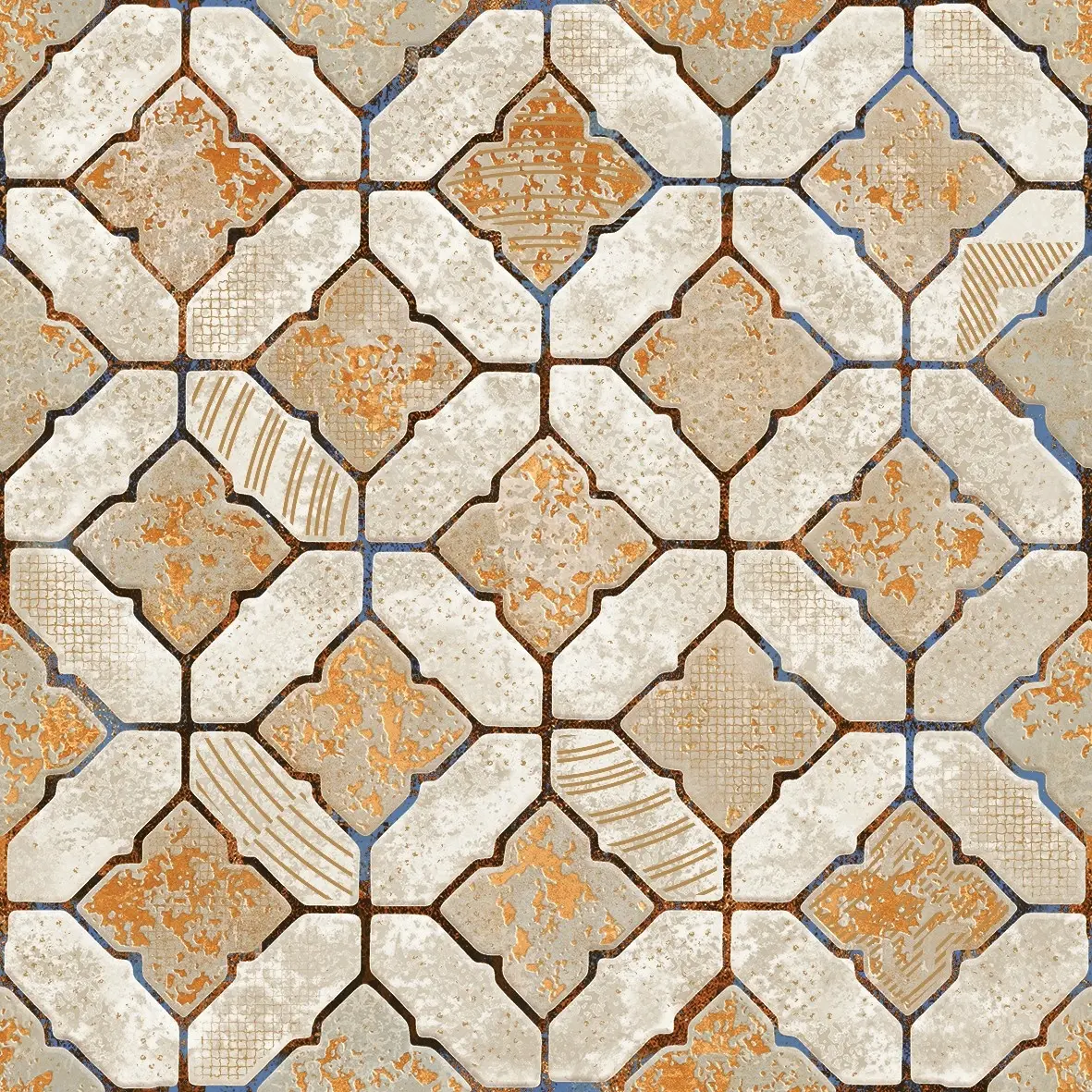
Patterns work in small doses: a panel beside the door or on the porch.
Stone cladding tiles or real stone
Natural stone cladding is beautiful but heavy: a 20 mm stone veneer weighs roughly 50 kg per square metre, needs a strong wall and often mechanical fixing at height, and it can stain and grow moss. A ceramic tile with a stone cladding look weighs about 12 to 16 kg per square metre (a box of 300 × 450 mm tiles covers 7.5 sq ft and weighs 8.5 kg), fixes with tile adhesive and washes clean.
| Natural stone cladding | Stone cladding look tiles | |
|---|---|---|
| Weight | About 50 kg per m² for 20 mm stone | About 12 to 16 kg per m² |
| Fixing | Adhesive plus anchors at height | Exterior tile adhesive |
| Surface | Porous, needs sealing | Glazed, no sealing |
| Look | Real depth and texture | Printed stone; rustic finishes add texture |
Matt or rustic
Choose matt or rustic finishes for outside walls. They do not glare in strong sun, and the textured rustic surface looks natural on stone and brick designs. Glossy tiles outdoors show water marks and reflect harsh light.
Size
| Size | Use |
|---|---|
| 300 × 450 mm (12 × 18 inch) | The common elevation tile, manageable on high walls |
| 300 × 600 mm (12 × 24 inch) | Larger facades, fewer joints |
| 300 × 300 mm (12 × 12 inch) | Pattern panels and pillars |
Colours for Indian weather
- Earthy colours (browns, rust, greys, terracotta) hide dust and age well.
- Pure white facades show every monsoon stain.
- Pick the paint colour after the tiles, matched to one tone in them.
Fixing outside tiles properly
Outside tiles face sun, rain and heat every day, so fixing matters as much as the tile:
- Make sure the plaster is cured and the wall is waterproofed.
- Use a polymer-modified tile adhesive made for exteriors, not plain cement mortar.
- Fix from the bottom up with joints of at least 3 mm, filled with a weather-resistant grout.
- Leave movement joints on large walls and seal the top edges so rain cannot get behind the tiles.
- Use an installer who has done elevations before: work at height needs scaffolding and care.
Natural looks are covered in more detail in stone, brick, marble and mosaic look tiles. See every design in elevation and stone cladding tiles.