
How to import tiles from India: choosing a manufacturer, samples, standards, shipping and documents
A step-by-step guide for importers, distributors and project buyers abroad: choosing an Indian tile manufacturer, samples, standards and certificates, quotations and Incoterms, payment, container loading, documents, shipping and receiving the goods.
India is one of the world's largest tile producers, and most of its tile exports come from one town: Morbi, in Gujarat. Importers, distributors, retailers and project buyers in the Gulf, Africa, South and South-East Asia, Europe and the Americas buy Indian tiles for their range of designs, the speed at which new designs appear, and the scale of supply.
This guide walks through importing tiles from India step by step: why buyers choose India, how to choose a manufacturer, samples, standards and certificates, quotations and Incoterms, payment, container loading, documents, shipping and receiving the goods. We are a ceramic wall tile maker in Morbi supplying buyers in the UAE, Oman, Kenya, South Africa and Sri Lanka, and we ship to any country. Rules change and differ by country, so confirm the details for your market with your customs broker or clearing agent.
Why import tiles from India
- Range. Over a thousand ceramic units in Morbi make wall tiles, floor tiles, porcelain and slabs in almost every size, finish and look. See the Morbi tile industry.
- Design speed. Digital printing lets factories launch new designs quickly, so you can follow your market's taste.
- Scale. Morbi makes about 70% of India's ceramic output and supplies 80 to 90% of its ceramic exports, according to industry reports, so large and repeat orders can be met.
- Mixed containers. Many factories will load several designs and sizes in one container, which suits distributors building a range.
- Ports close by. Mundra and Kandla (Deendayal) ports in Kutch are a few hours from Morbi, with regular sailings to the Gulf, Africa, Asia, Europe and the Americas.
- English-speaking business culture and familiarity with export paperwork.
Step 1: define what you need
Before you contact factories, write down:
- Product type: wall tiles, floor tiles, porcelain, elevation tiles, pool tiles.
- Sizes and thickness your market uses.
- Finishes: matt, glossy, rustic.
- Looks and colours that sell in your market: stone, marble, wood, Moroccan, plain, devotional, botanical.
- Grade: the top grade for retail and projects; lower grades only where small marks do not matter.
- Quantities: a trial order, then expected monthly or yearly volumes.
- Standards and certificates your country requires (see step 4).
- Packing: pallets or loose, labels in your language, your brand or the factory's.
A clear brief gets you comparable quotations and saves weeks of back and forth.

Step 2: choose the manufacturer
Morbi factories usually specialise, so match the factory to the product: a wall tile plant for wall tiles, a porcelain plant for floors and slabs. Then check:
- Is it the manufacturer? Ask to see the factory, by visit or video call. Traders have their place, but you should know who makes your tiles.
- Export experience. Which countries do they ship to? Do they know your documents and standards?
- Quality. Samples in daylight; print sharpness, edges, glaze, flatness and the number of faces per design. See 8 checks before you buy premium wall tiles.
- Consistency. How are repeat orders matched? How long do designs stay in production?
- Packing. Box strength, labels with grade, shade and calibre, palletising and container loading.
- Communication. Clear, prompt, written answers.
Step 3: samples and catalogue
Ask for the catalogue and samples of every design you are considering, and look at them in your market's light. Share photos with your key customers or architects. Lay four or more tiles together to see how the pattern joins and how the faces vary. For large orders, ask for a sample from current production, and keep it as the reference for the shipment.

Step 4: standards, certificates and import rules
Each country has its own rules. The common ones for tiles:
- International standard: ISO 13006 classifies ceramic tiles and sets their requirements; ISO 10545 sets the test methods.
- Europe and the UK: tiles carry CE or UKCA marking against EN 14411, with a declaration of performance.
- United States: ANSI A137.1 is the usual tile standard.
- Conformity programmes: several countries require inspection or certification before shipment, for example PVoC in Kenya, Uganda and Tanzania, SONCAP in Nigeria and the SABER system in Saudi Arabia.
- Trade agreements: some agreements reduce import duty on Indian goods with the right certificate of origin, such as India's CEPA with the UAE.
- Extra duties: check whether your country applies any special duties on tiles from India.
Your customs broker or clearing agent will confirm what applies to you. Tell the factory at the start, so test reports and certificates are arranged before production.
Step 5: quotation and Incoterms
A quotation should state the design, size, grade, quantity, packing, delivery time, payment terms and the Incoterm, which defines who pays for what and where responsibility passes. The common ones for tiles:
| Incoterm | The factory delivers | You arrange |
|---|---|---|
| EXW (Ex Works) | Goods ready at the factory | Everything from the factory gate |
| FOB (Free on Board), Mundra or Kandla | Goods loaded on the ship at the Indian port | Sea freight, insurance, import clearance |
| CFR or CIF | Goods carried to your port (CIF also with insurance) | Import clearance and delivery from your port |
| DAP | Goods delivered to your named place, not cleared | Import duty and clearance |
FOB is the most common starting point for tile buyers who have their own freight forwarder; CIF or CFR suits buyers who prefer one price to their port.
Step 6: payment
Common terms in the tile trade are an advance with the order and the balance against shipping documents, or a letter of credit (LC) opened through your bank. A first order is usually on stricter terms; long-standing buyers often agree easier terms. Whatever you agree, put it in the proforma invoice, along with the specification, grade, quantities and delivery date.
Step 7: production and inspection
Once the order is confirmed, the factory schedules production. Ask for photos of your tiles coming off the line and of packed pallets, and compare them with the reference sample. Many buyers use an independent inspection agency for pre-shipment inspection: it checks quantities, grade, shade and packing against the order before the container is sealed.
Step 8: container loading
Tiles are heavy, so a container usually reaches its weight limit long before it is full. The allowed weight depends on the shipping line and the road limits at both ends; your forwarder will give the figure. As a rough guide for our boxes, 25 tonnes of tiles is about:
| Size | Box weight | Boxes in 25 tonnes | Area |
|---|---|---|---|
| 300 × 300 mm | about 10 kg | about 2,500 | about 17,500 sq ft |
| 300 × 450 mm | about 8.5 kg | about 2,900 | about 22,000 sq ft |
| 300 × 600 mm | about 11.5 kg | about 2,170 | about 17,400 sq ft |
Pallets add weight, so palletised loads carry a little less. Mixing sizes and designs in one container is common; ask the factory to load each design's boxes together and to send a loading list with photos.
Step 9: documents
The usual export documents for tiles are:
- Commercial invoice and packing list, from the factory.
- Bill of lading, from the shipping line, sent to you or your bank so you can claim the goods.
- Certificate of origin, preferential where a trade agreement applies.
- Test reports and certificates your country requires, and any conformity certificate.
- Insurance certificate, if insurance is included.
- Fumigation certificate for wooden pallets, where required.
Check document names, quantities and descriptions match exactly; small differences cause customs delays.
Step 10: shipping and arrival
Gulf ports are only days away by sea from Mundra; East Africa, South Africa and South-East Asia take a few weeks; Europe and the Americas longer. Ask your forwarder for current transit times and plan stock around them. When the container arrives:
- Clear customs with your broker.
- Unload carefully, keeping each design's boxes together.
- Check quantities, breakage and the shade and calibre codes against the packing list.
- Record any damage with photos immediately, for the insurer and the factory.
- Store the tiles dry and off the ground.
Your freight forwarder and customs broker
Two partners on your side make importing smooth. A freight forwarder books the container space, arranges the sailing and tracks the shipment; a customs broker (often the same company) prepares your import declaration, pays duties on your behalf and clears the goods. Choose ones who handle building materials regularly and know your port. Share the factory's contact with them early, so the factory, forwarder and broker can agree the booking, the loading date and the documents directly.
Landed cost: what to budget for
The factory's price is only part of what a tile costs you on arrival. Work out the landed cost per square metre or square foot before you set selling prices. It usually includes:
- The factory price for the Incoterm you agreed
- Inland transport to the Indian port and port charges, if buying EXW
- Sea freight and insurance, if buying FOB
- Destination port charges, container handling and storage
- Import duty and taxes, and any special duties
- Conformity certificates and inspection fees
- Customs broker's fees
- Transport from your port to your warehouse
- An allowance for breakage and slow-moving stock
A landed cost worked out per design and per size shows which tiles really make you money.
Building a range for your market
Importers who succeed rarely buy a random mix. They build a range: a core of neutral, fast-selling tiles in the sizes local builders use; a set of designer and statement tiles that set their showroom apart; and a few niche products, such as pool tiles, elevation tiles or devotional tiles for an Indian community. Start with a trial container mixing the core and a few designer pieces, watch what sells for three to six months, then reorder the winners in larger quantities. A factory that will keep your best sellers in production for years is worth more than one that is slightly cheaper today.

Mistakes importers make
- Ordering from photos without holding samples.
- Forgetting the certificates their country needs until the goods are at the port.
- Not agreeing the grade in writing.
- Comparing quotations on different Incoterms.
- Overfilling a container beyond the road weight limit at the destination.
- Mixing shade batches of one design across two shipments without checking.
- Not inspecting before the container is sealed.
- Not insuring the cargo.
Markets we serve
We supply importers and project buyers in the UAE, Oman, Kenya, South Africa and Sri Lanka, and ship to any country. Our export page has notes on 45 markets across the Gulf, Africa, Asia, Europe and the Americas, with the looks and sizes that sell in each.
- The Gulf: large villas and towers favour stone, marble and beige looks, large walls and outdoor areas; see also Saudi Arabia and Qatar.
- East and southern Africa: fast-growing cities, a taste for bold patterns and practical, durable finishes; see Tanzania and Uganda.
- South Asia and the islands: devotional and designer wall tiles in Sri Lanka and Nepal; resort and pool areas in the Maldives and Mauritius.
- Europe, the UK and the Americas: designer, Moroccan and encaustic-look tiles for retailers and designers; see United Kingdom and United States.
What we export
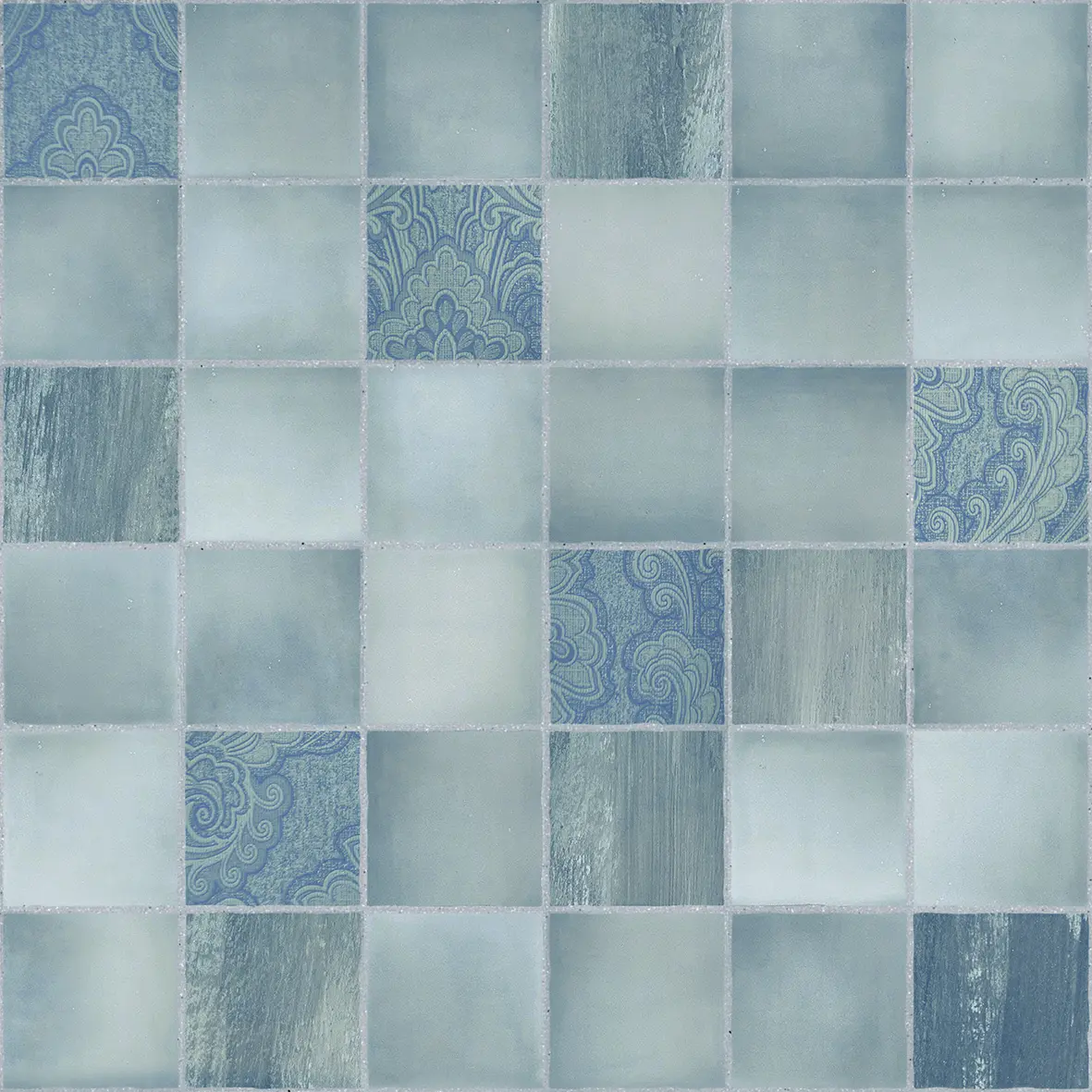
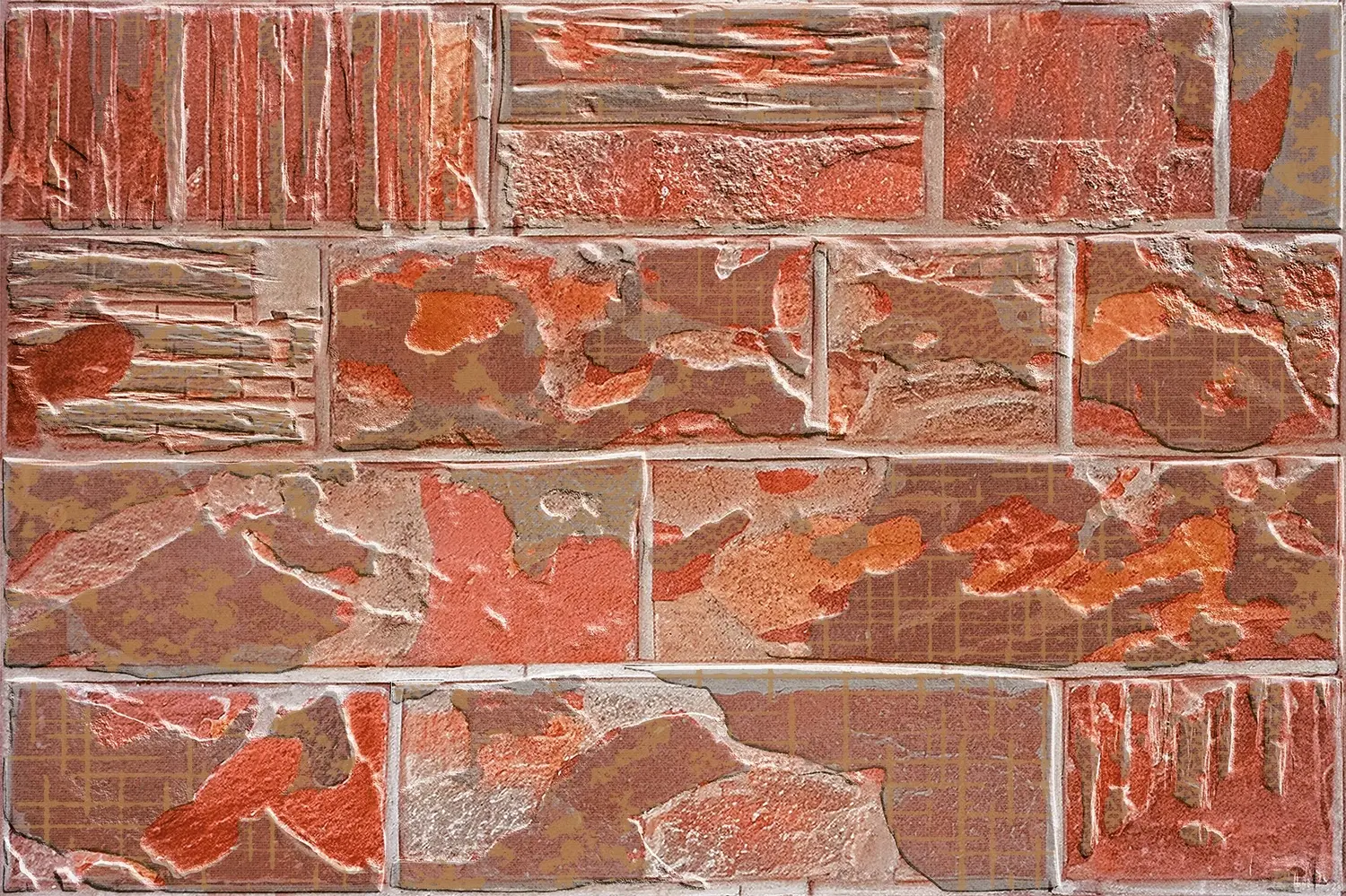
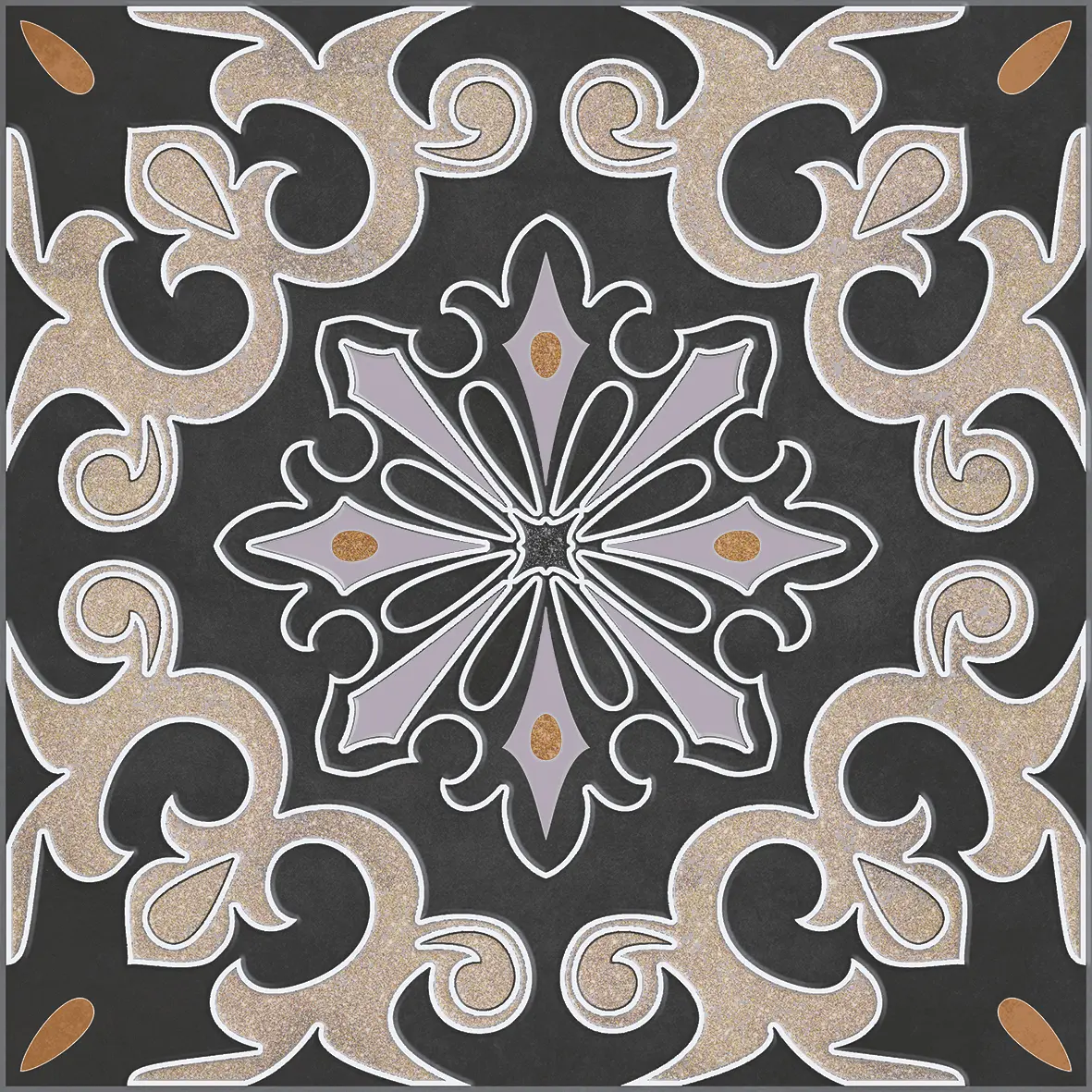
Ceramic digital wall tiles: 51 designs in 300 × 300, 300 × 450 and 300 × 600 mm, in matt, glossy and rustic finishes, packed in laminated, rain-proof 5-ply boxes.
| Size | Tiles per box | Covers | Box weight | Thickness |
|---|---|---|---|---|
| 300 × 300 mm | 7 | 7 sq ft (0.63 m²) | about 10 kg | 9.5 mm |
| 300 × 450 mm | 5 | 7.5 sq ft (0.675 m²) | about 8.5 kg | 7.5 mm |
| 300 × 600 mm | 4 | 8 sq ft (0.72 m²) | about 11.5 kg | 9.5 mm |
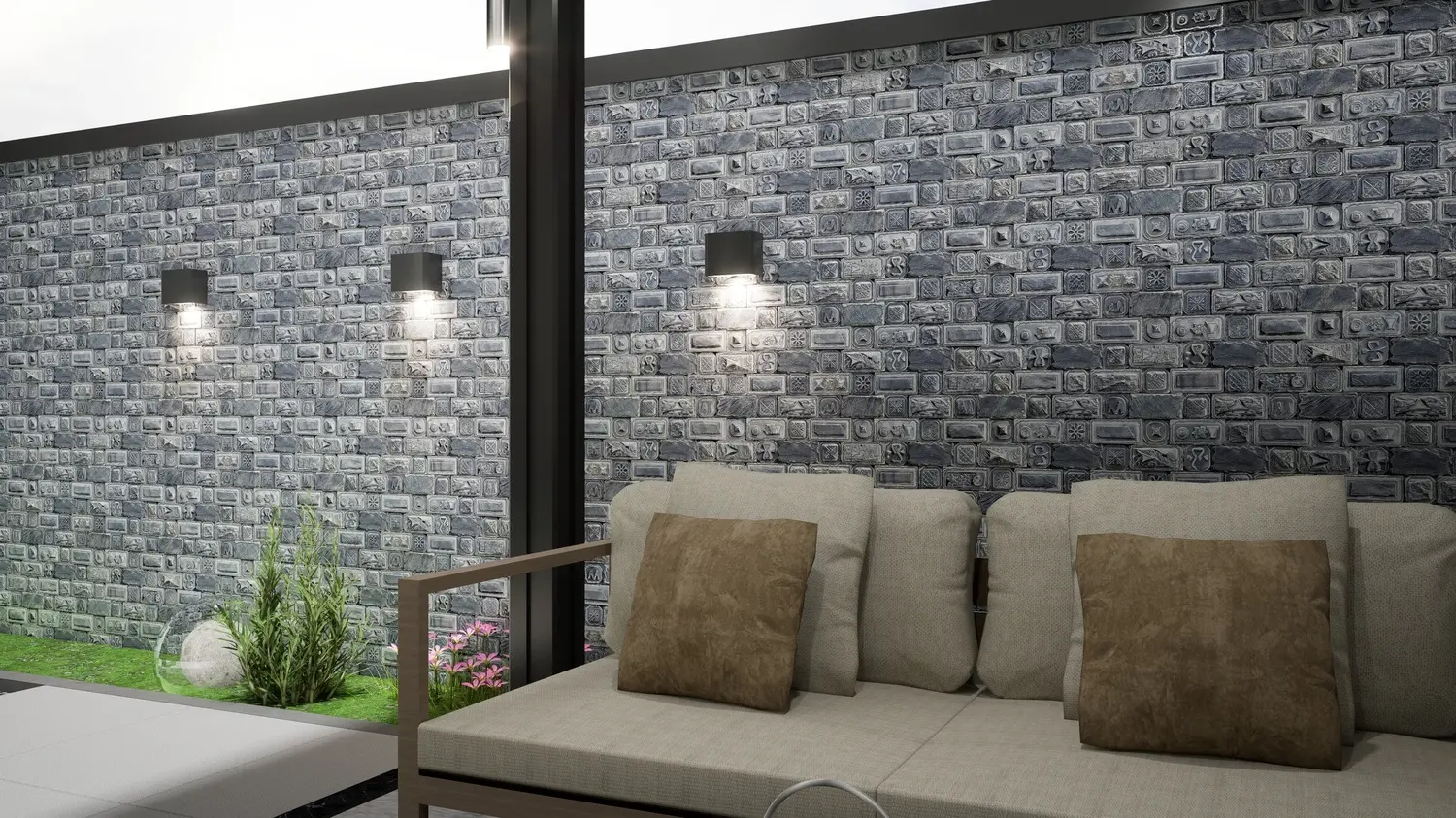
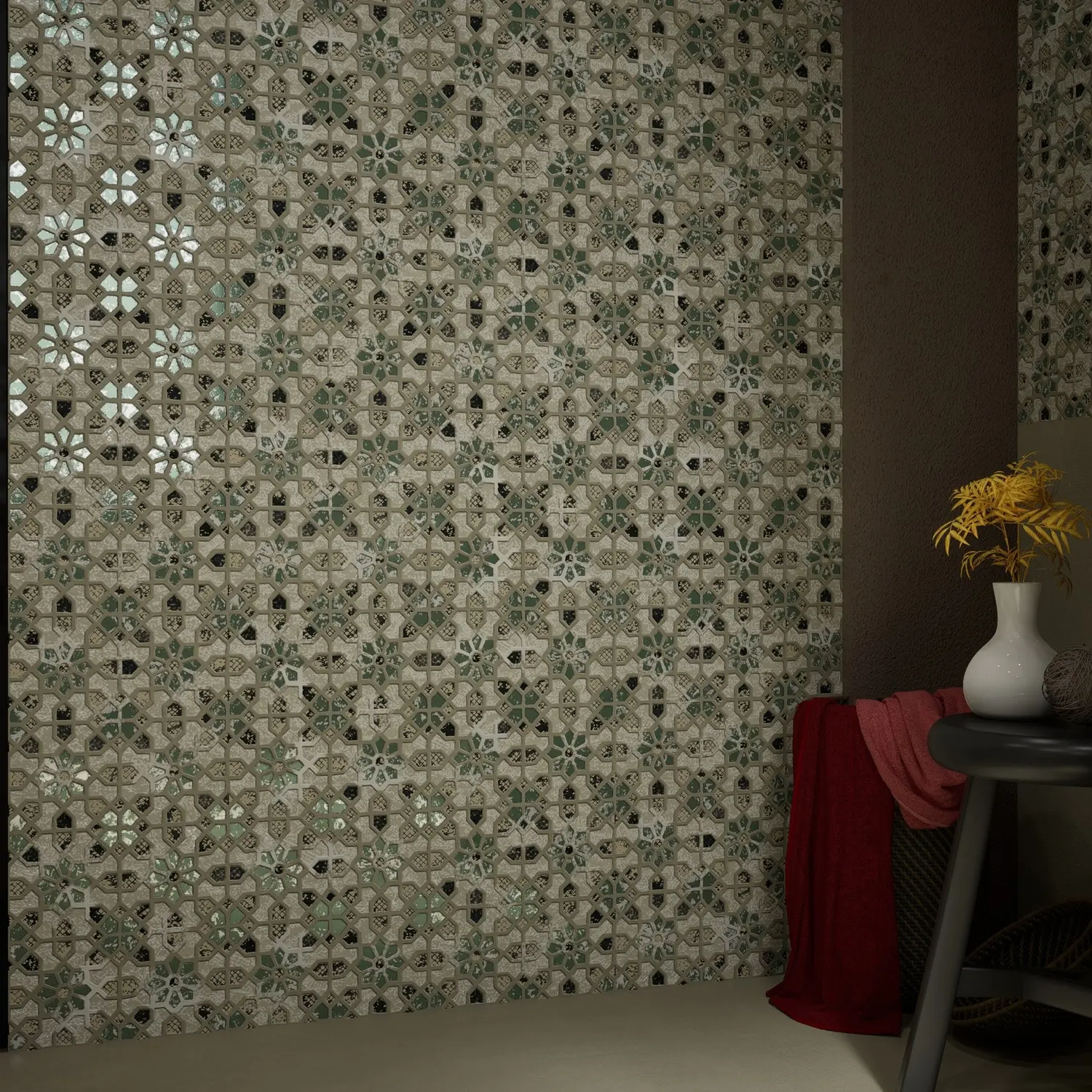
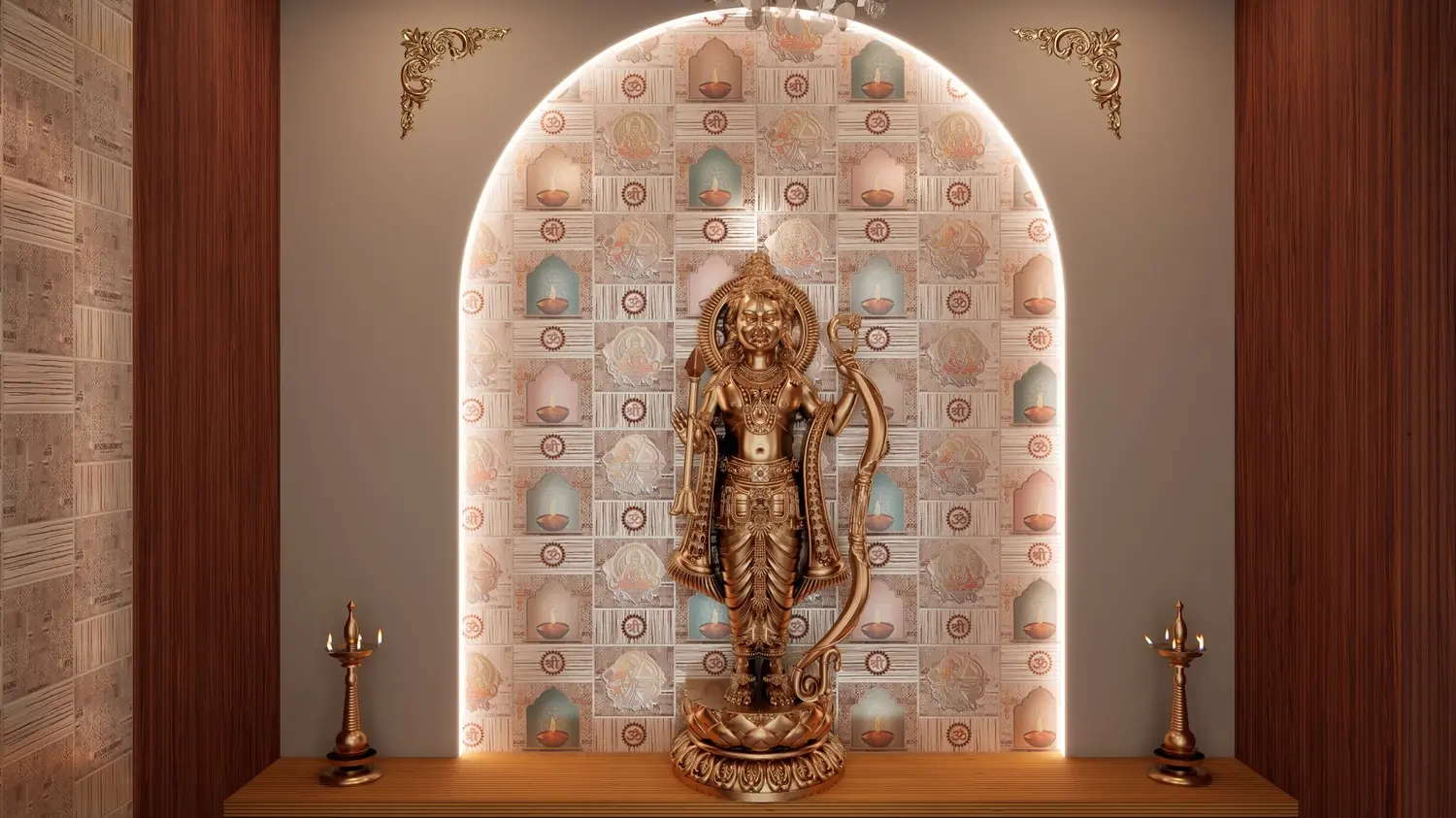
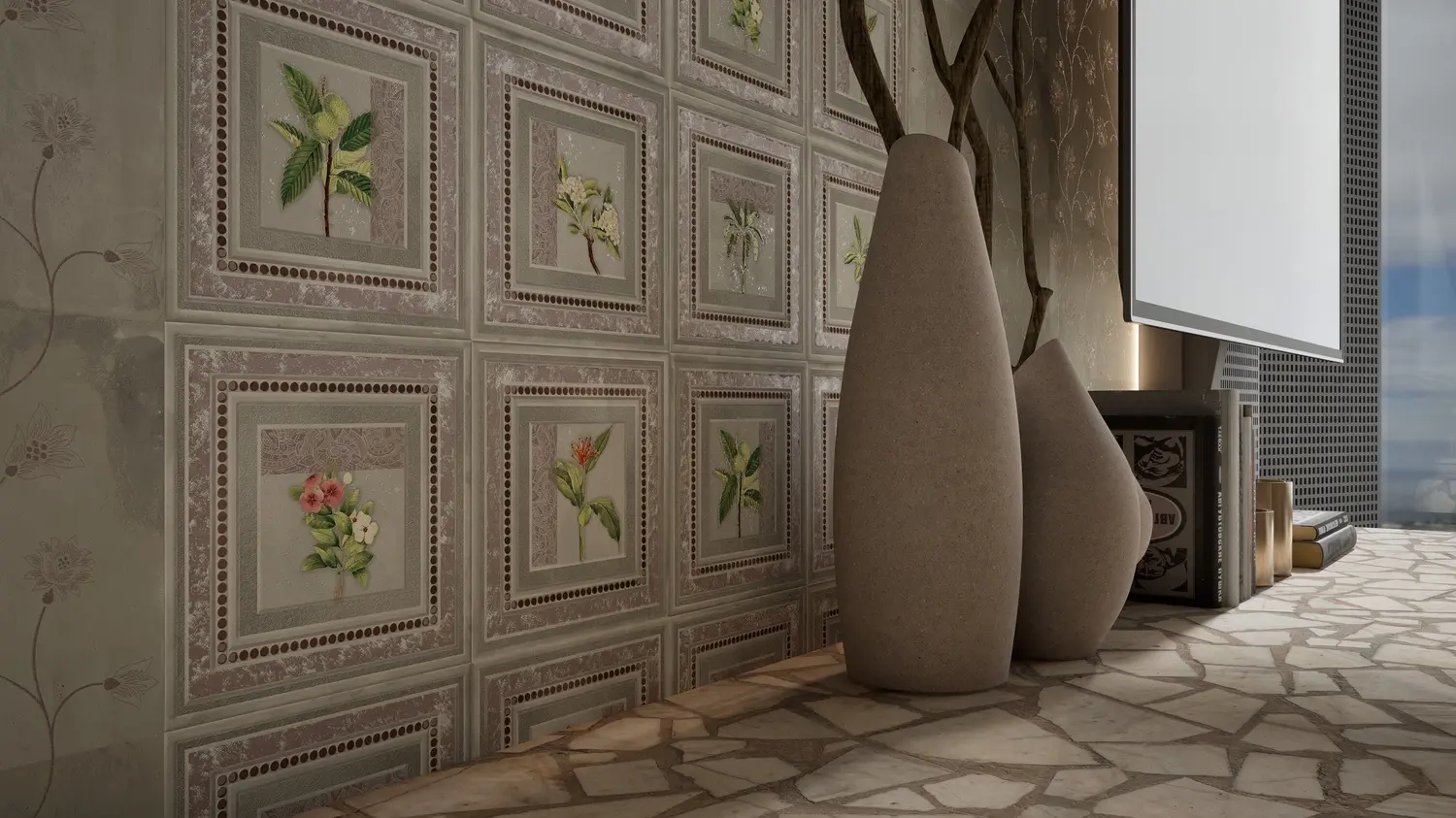
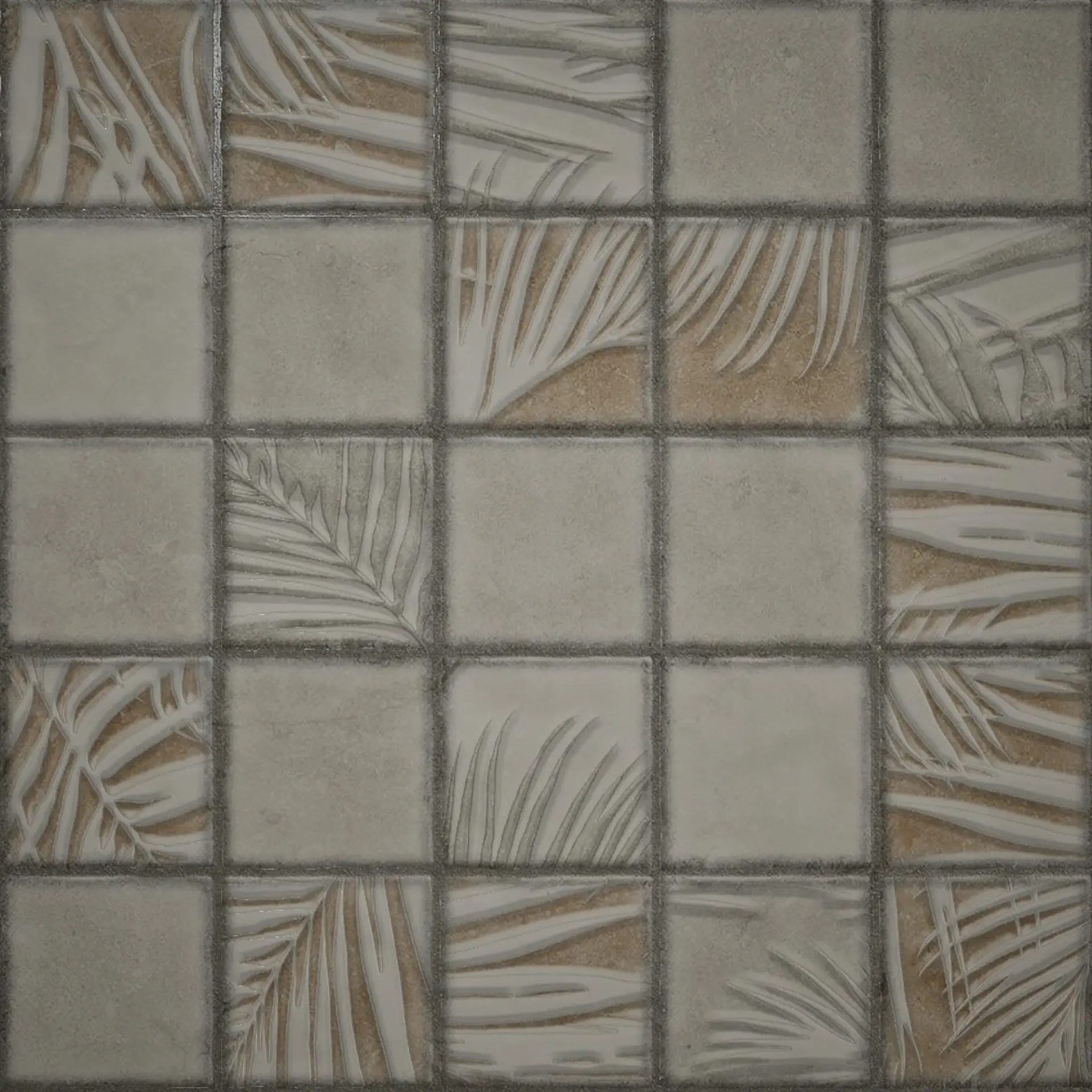
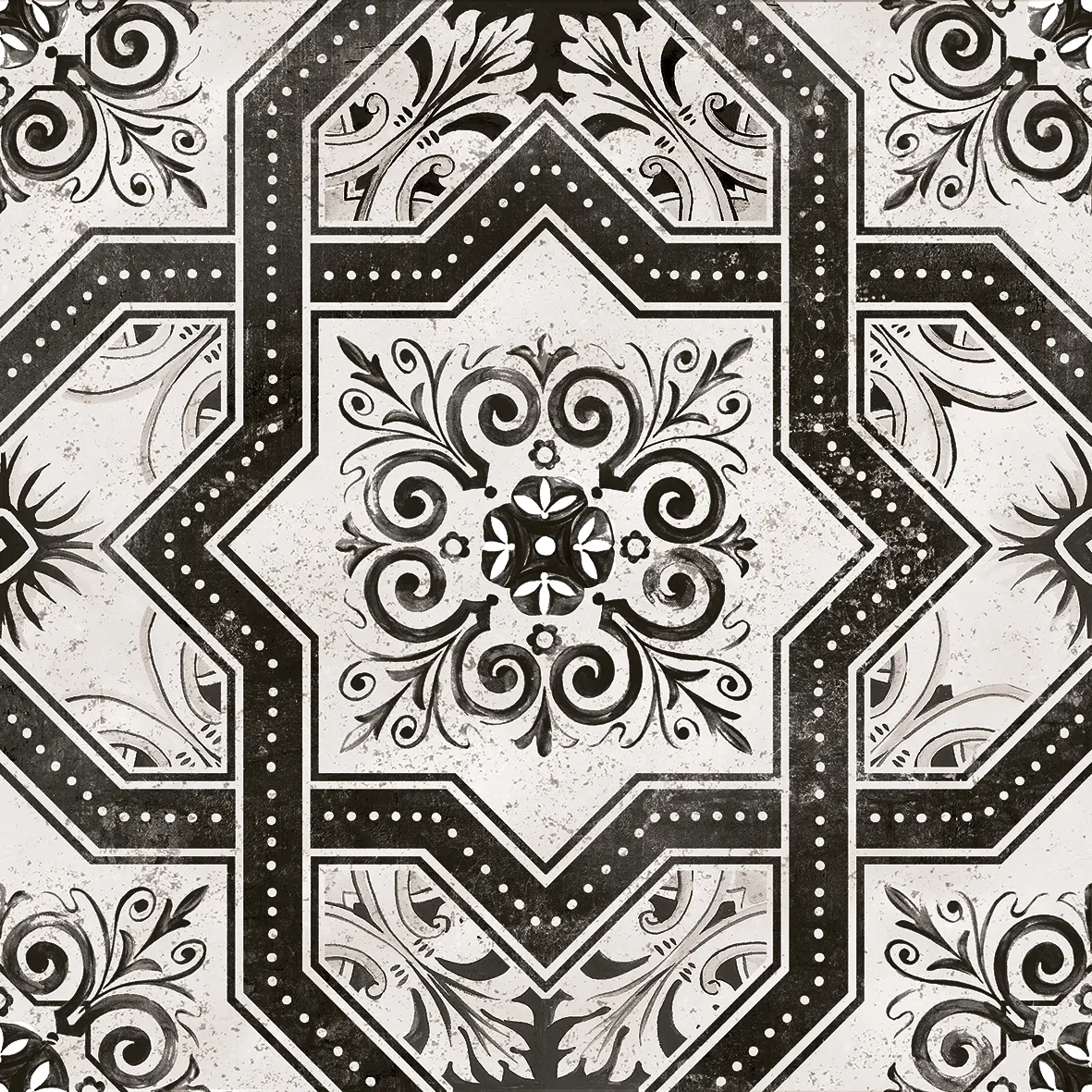
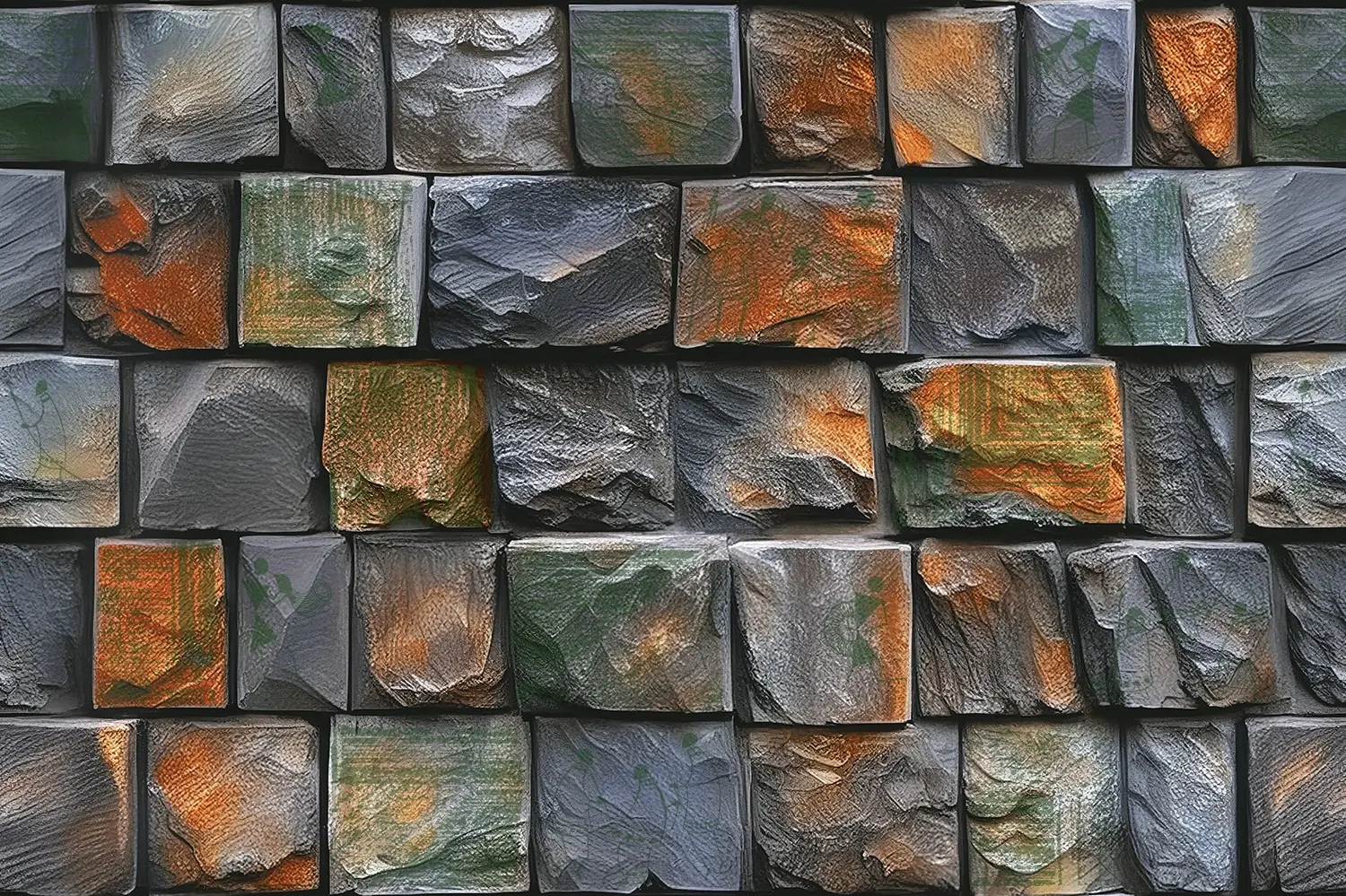
Our collections cover designer pattern walls, Moroccan and encaustic looks, stone and slate elevation tiles, kitchen backsplashes, pool areas, patterned floors and pooja room tiles, which are popular with Indian communities abroad.
Building a long-term supply relationship
The best import relationships last years. Share your sales data with your supplier, so they know which designs to keep in production for you; plan orders a season ahead; and give feedback on every shipment, good and bad. In return, ask for advance notice of discontinued designs, priority on batches for your repeat sellers, and samples of new designs before they reach other buyers in your market. A supplier who understands your market becomes part of your business.
Visiting Morbi as an importer
A visit to Morbi before or after your first orders is time well spent: you can see several factories in a day, meet the people who make your tiles, see new designs before they appear in catalogues, and check production and packing for yourself. Fly to Rajkot and drive about an hour and a half; see the Morbi tile industry for planning a visit.


To start, contact us with your country, port, the designs you are interested in and your expected quantities. We will send samples and the catalogue first, and reply within one working day.