
Types of tiles: ceramic, porcelain, stone, cement, terracotta and mosaic, and where each belongs
A plain-language guide to the types of tiles sold in India and abroad: what each material is, how they compare on strength, water absorption and care, which tile belongs on which wall or floor, and how to choose.
Walk into a tile showroom and you will hear a dozen names for what looks like the same thing: ceramic, porcelain, GVT, PGVT, double charge, full body, digital, glazed, matt, rustic, elevation, parking. Some are materials, some are manufacturing methods, some are finishes and some are just where the tile is meant to go.
This guide sorts them out. It explains the main types of tiles by material, by use, by finish, by size and by look, compares them in one table, and ends with how to choose. We make ceramic wall tiles in Morbi, so we explain ceramics in the most detail, but we describe every type fairly.
Types of tiles by material
Ceramic tiles
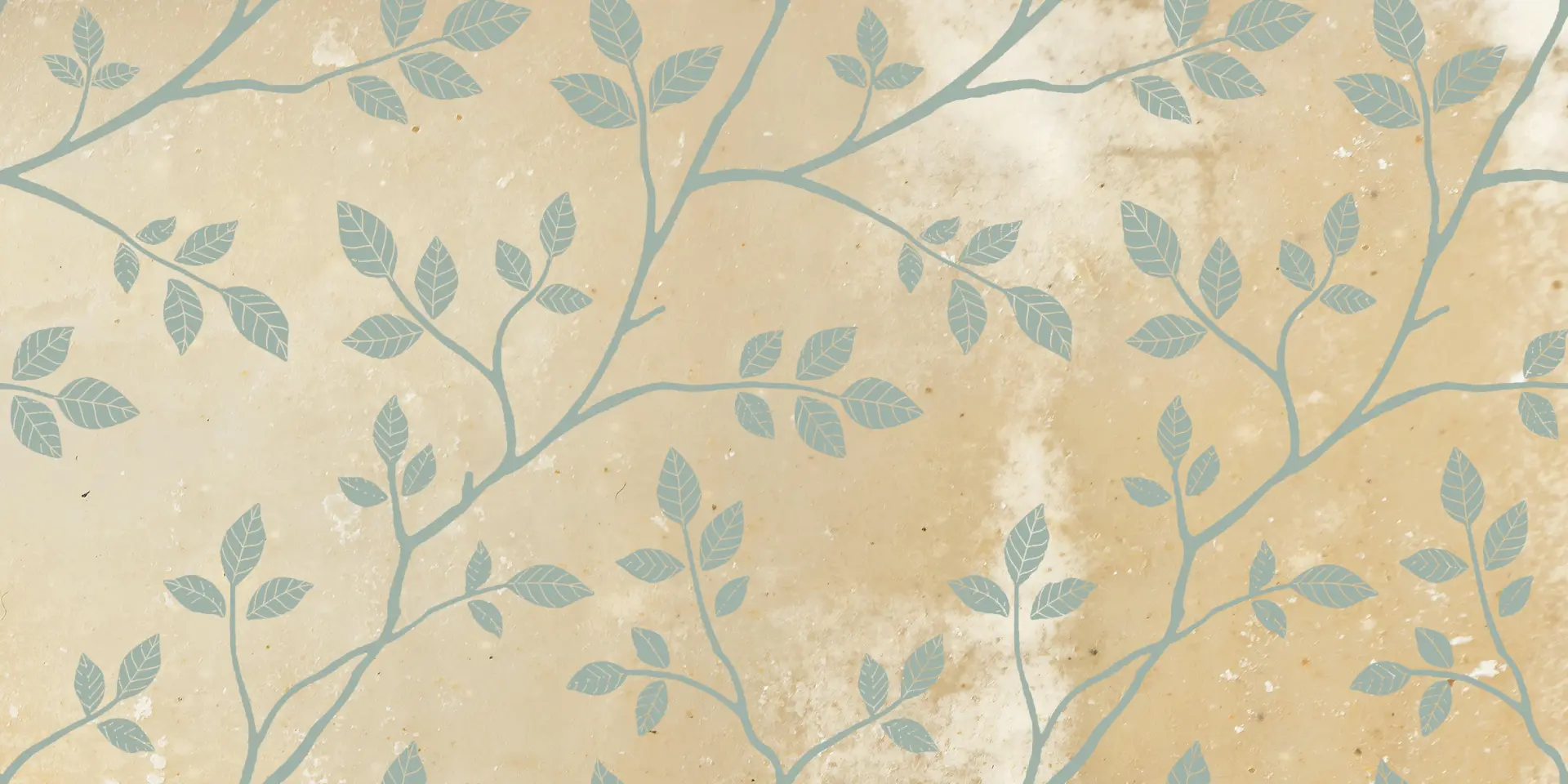
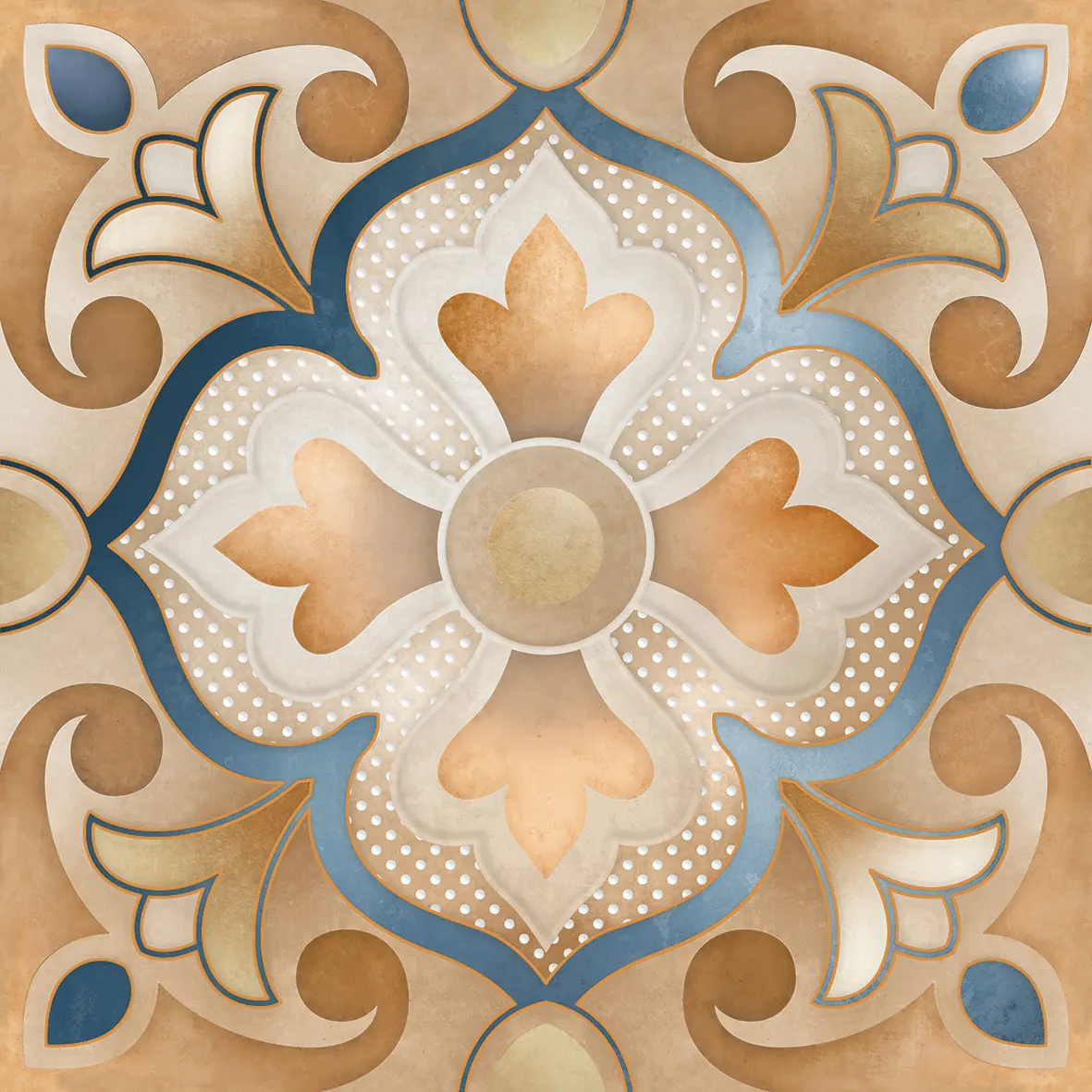
Ceramic tiles are made from a mix of clay, feldspar and quartz, pressed into shape, glazed, printed and fired in a kiln. The body is slightly porous: wall tiles typically absorb more than 10% of their weight in water. The face is covered by a hard, sealed glaze, so the surface itself does not soak up water or stains.
- Strengths: light and easy to cut and fix; grip adhesive well on walls; endless designs thanks to digital printing; good value per square foot.
- Limits: the body is softer than porcelain, so ceramic wall tiles are not meant for heavy floors; thinner ceramic tiles should stay on walls.
- Best for: bathroom and kitchen walls, feature and living room walls, pooja rooms, elevations, and light-use floors with tiles made for floors.
Our tiles are ceramic: 300 × 450 mm tiles 7.5 mm thick for walls, and 300 × 300 mm and 300 × 600 mm tiles 9.5 mm thick, the 300 × 300 mm also rated for floors.
Porcelain tiles
Porcelain tiles are made from finer, purer raw materials, pressed harder and fired at higher temperatures until the body absorbs almost no water: 0.5% or less. That makes them very dense, strong and frost-proof, which is why they dominate floors. In Indian showrooms, porcelain-family tiles are sold under several trade names:
- GVT and PGVT: glazed porcelain tiles with a digitally printed design, PGVT being polished to a high gloss after firing. The design is on the surface.
- Double charge: two layers of coloured material pressed together, giving a thick wear layer of colour for busy floors.
- Full body: the colour runs through the whole thickness, so chips and wear do not show; used in malls, airports and stations.
- Slabs: very large porcelain panels, 800 × 1600 mm and up, for floors, walls, countertops and furniture.
- Strengths: hard, dense, stain-resistant and suitable for heavy floors and outdoor use in cold climates.
- Limits: heavier and harder to cut; on walls they need a stronger adhesive; large formats need skilled fixing.
- Best for: floors in homes and commercial spaces, large-format walls and counters.
Natural stone tiles
Stone cut from quarries into tiles or slabs. India is rich in stone, and much of it is used locally.
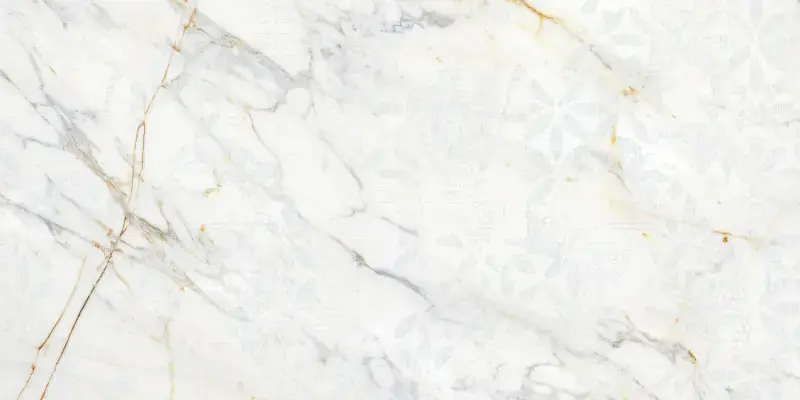
- Marble, such as white Makrana marble from Rajasthan: elegant, but soft and porous, and stained by acids such as lemon juice.
- Granite: very hard and stain-resistant once sealed; used for counters, steps and floors.
- Kota stone: a blue-grey or brown limestone from Rajasthan, widely used on floors, verandas and stairs.
- Sandstone: red, pink and yellow stone from Rajasthan, used on facades, boundary walls and paving.
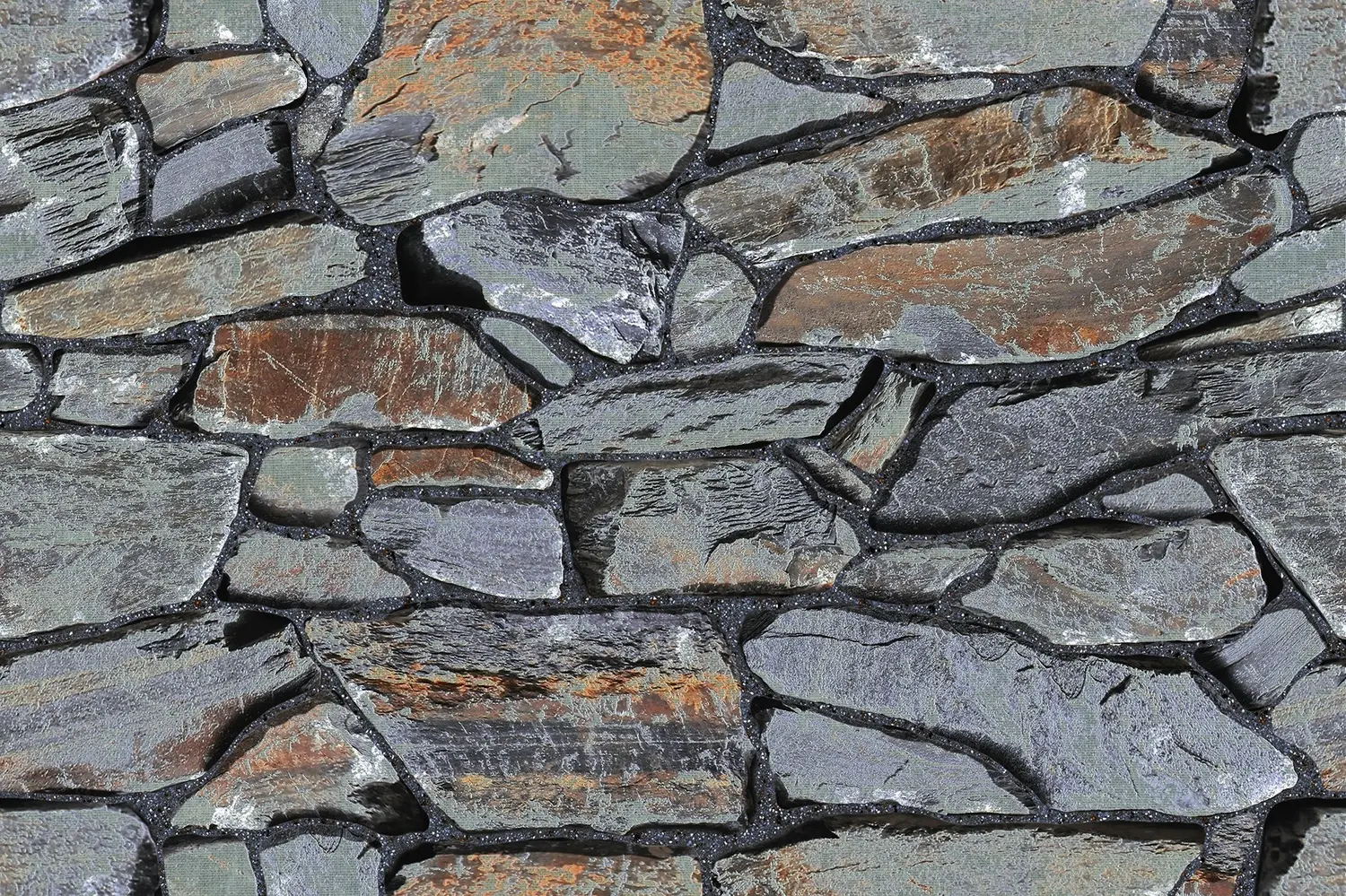
- Slate: dark, layered stone for walls and outdoor floors.
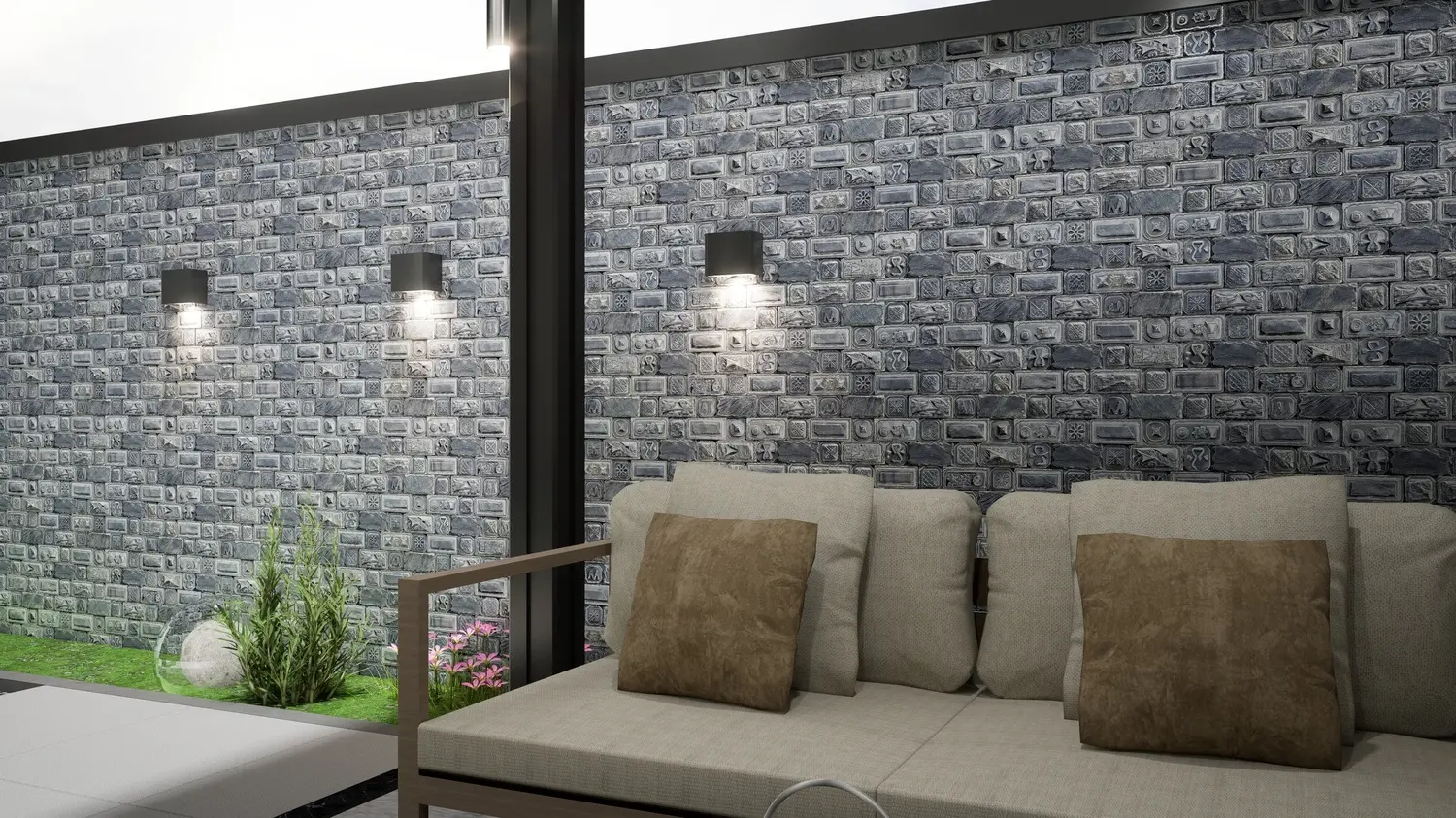
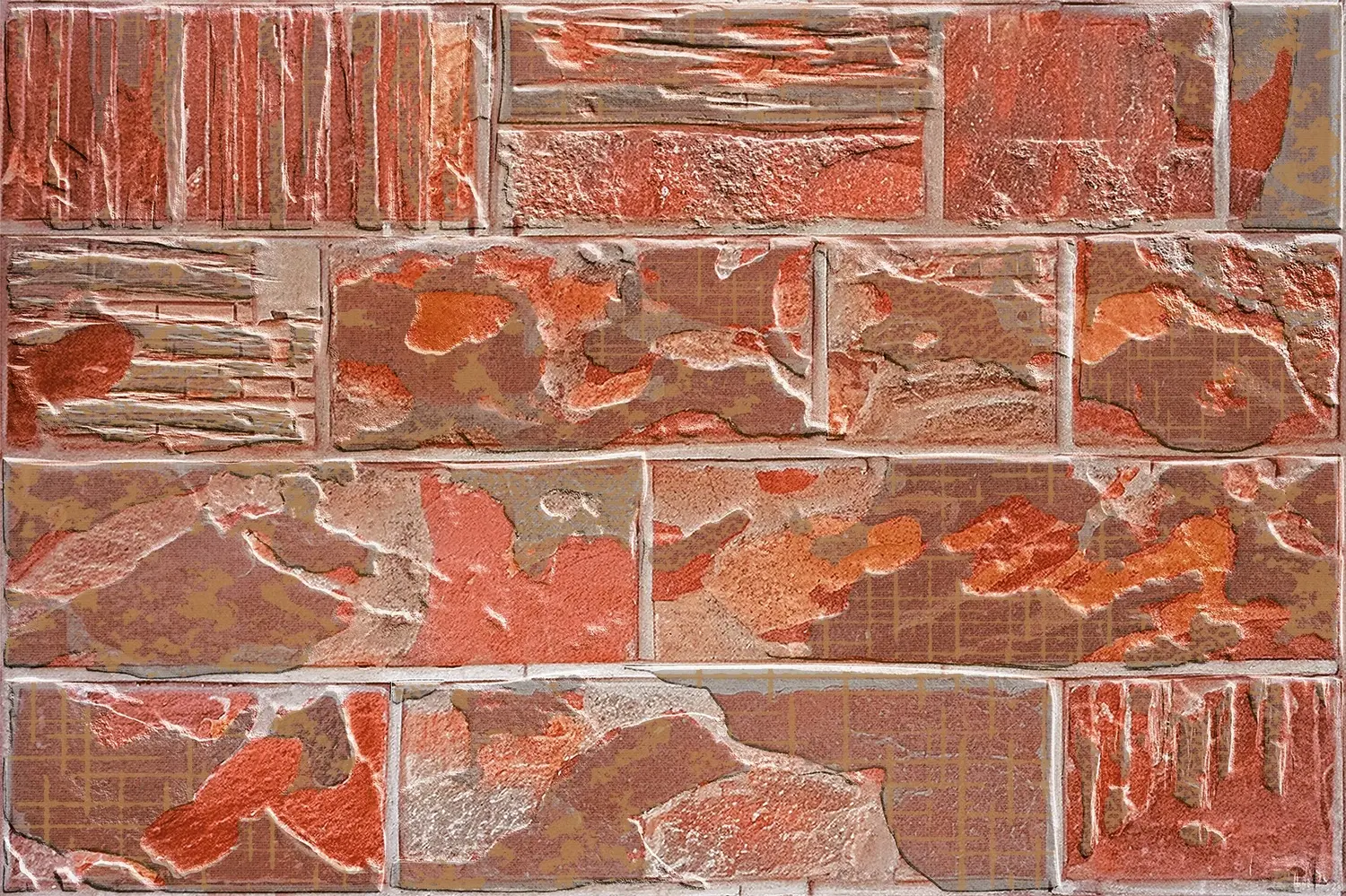
Natural stone is beautiful and every piece is unique, but it is heavy, needs sealing, varies from piece to piece and from batch to batch, and costs more to fix. This is why stone-look ceramic tiles, such as our Mudy Stone slate and Jaspo Lalie sandstone, are so popular on elevations: they give the look at a fraction of the weight. See stone, brick and marble look tiles.
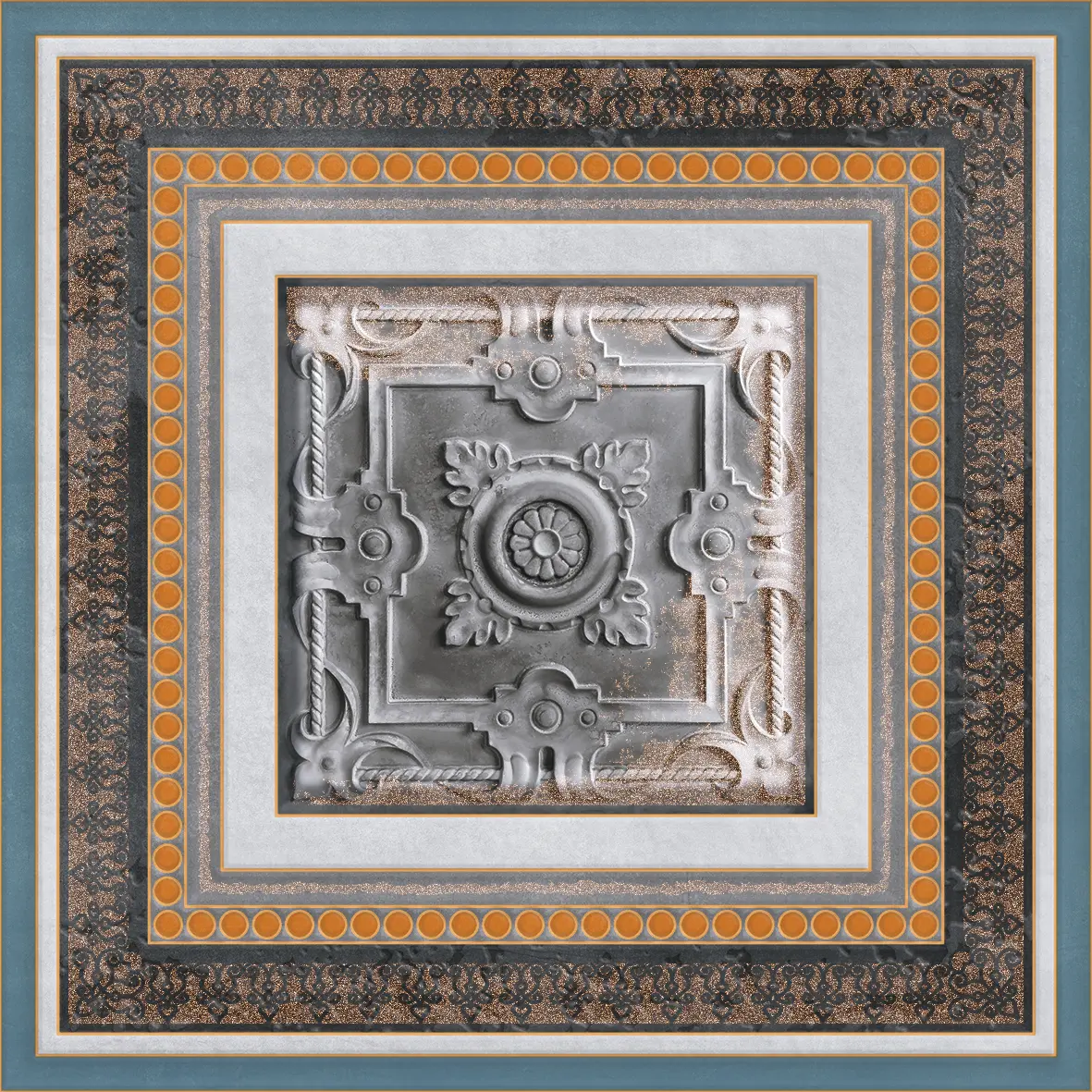
Cement tiles (encaustic tiles)
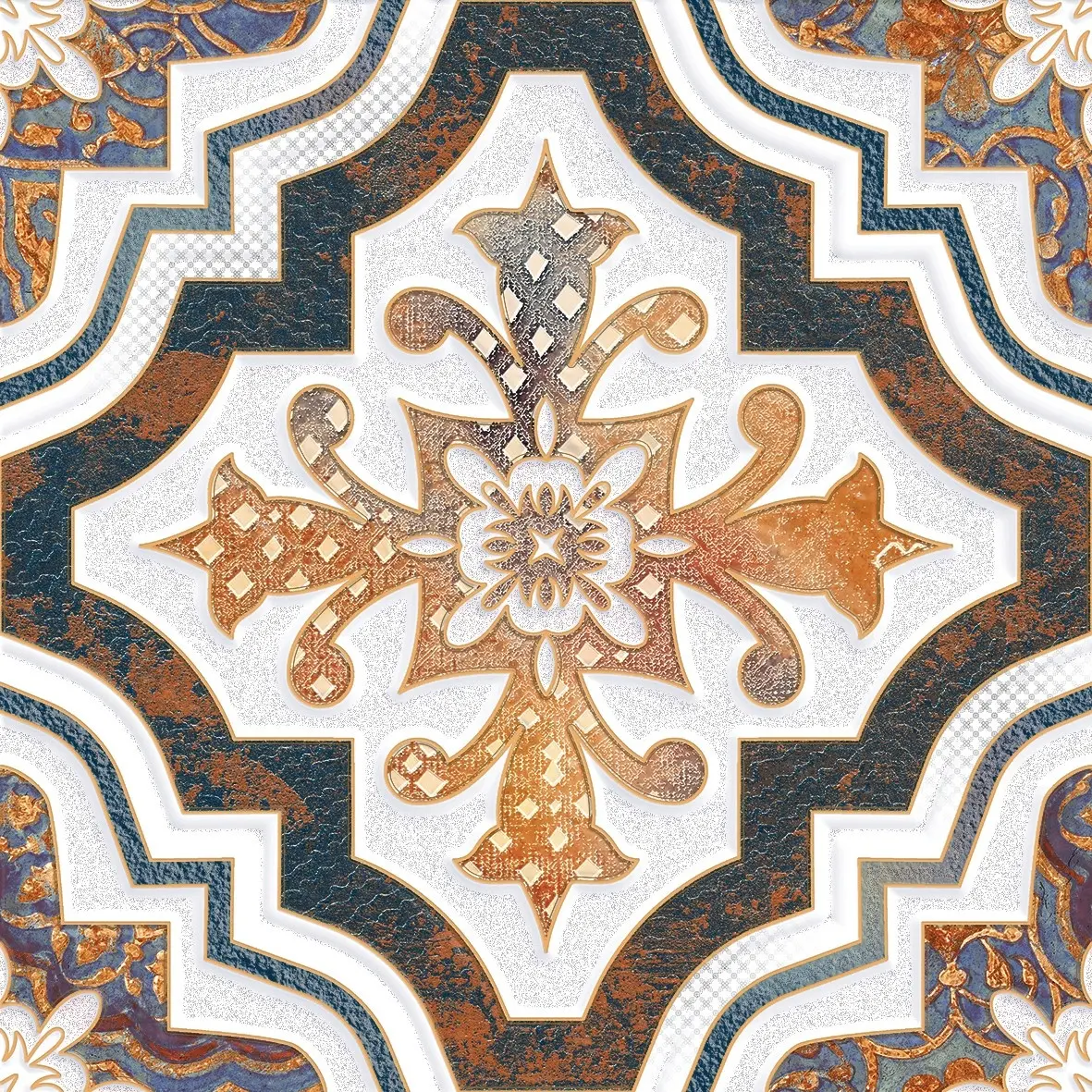
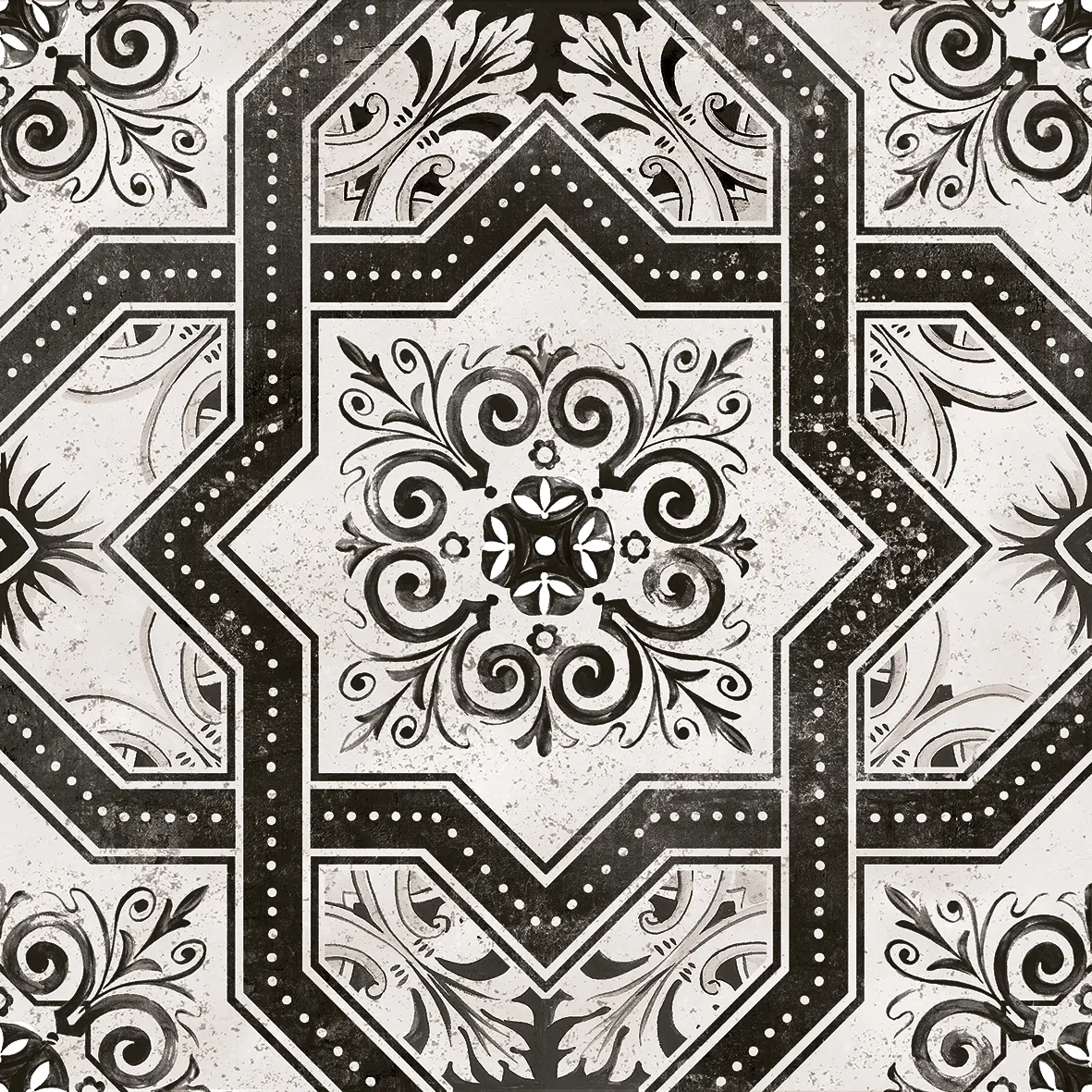
Cement tiles are made by pouring coloured cement into a pattern mould and pressing it hydraulically, without firing. The colour runs a few millimetres deep. They are the classic patterned floors of old houses in India, Europe and North Africa.
- Strengths: deep, handmade colour and character.
- Limits: porous, so they must be sealed and resealed; heavy; stain easily before sealing.
- The alternative: encaustic-look ceramic tiles print the same patterns on a glazed ceramic tile, which needs no sealing. See encaustic and cement look tiles.
Terracotta tiles
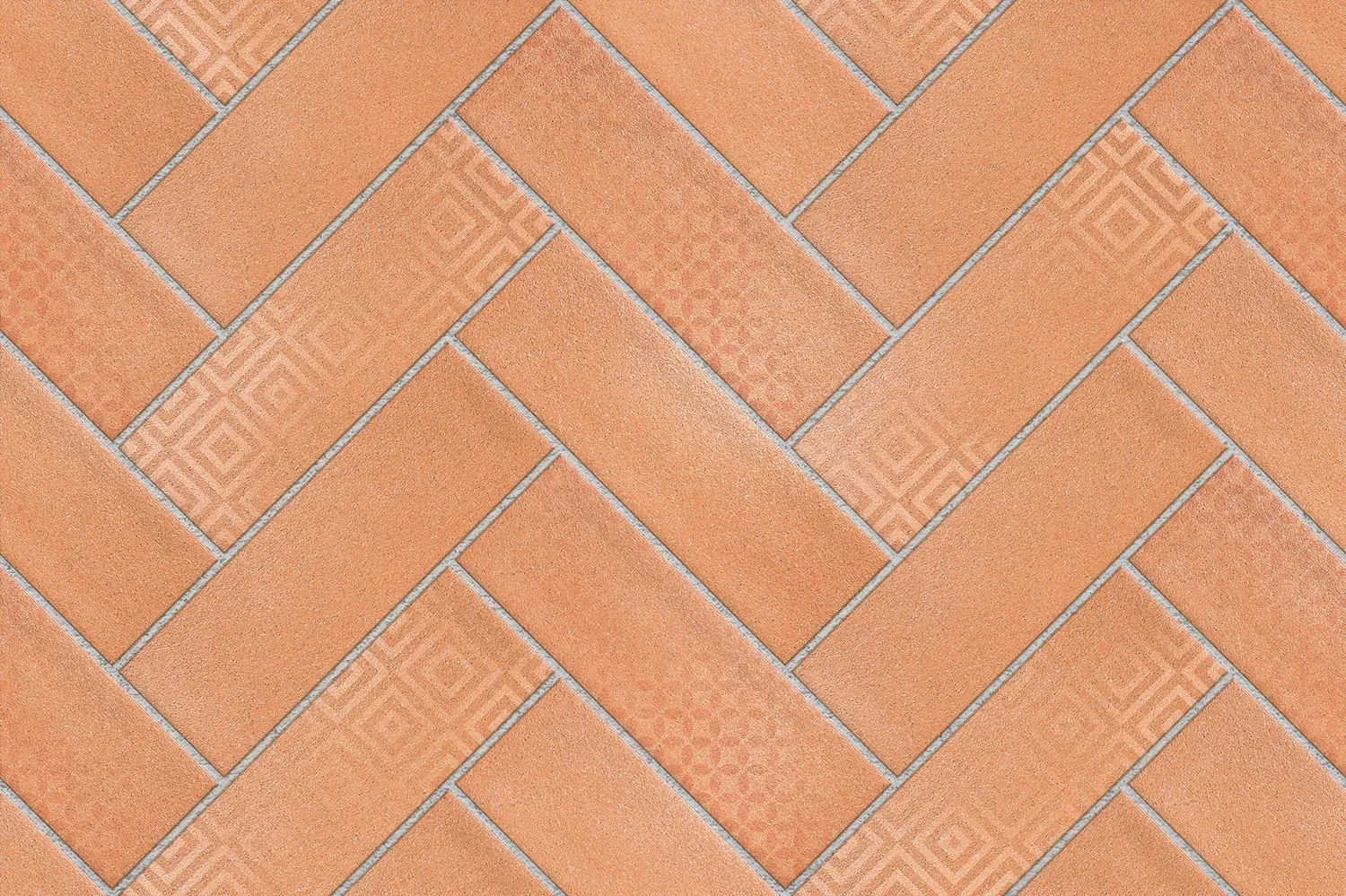
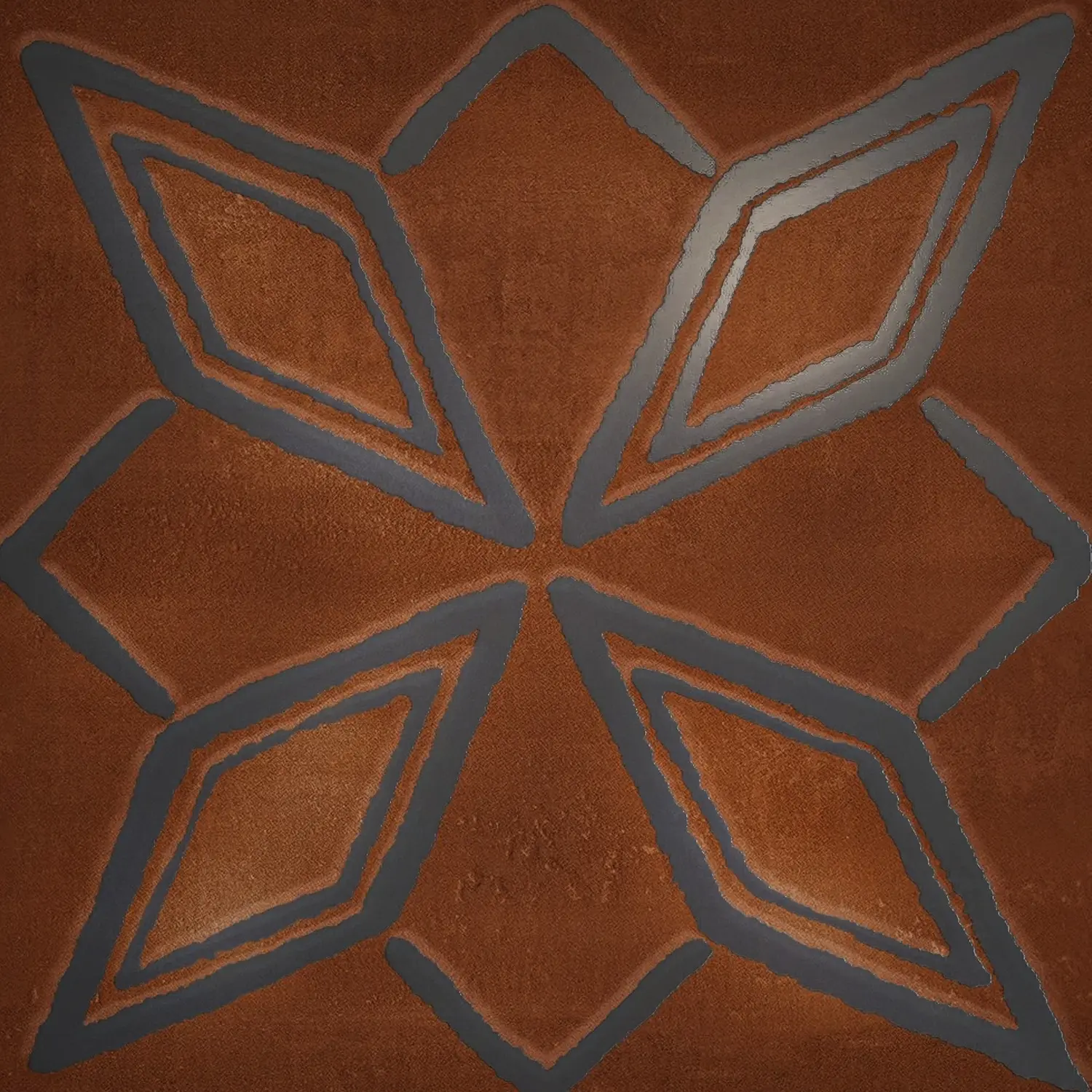
Terracotta (baked earth) tiles are made from natural red clay, usually unglazed, fired at lower temperatures. They are warm and rustic and age beautifully, but they are porous and need sealing, especially in kitchens and bathrooms. Terracotta-look ceramic tiles give the colour with a sealed glaze. See the terracotta tiles guide.
Mosaic tiles
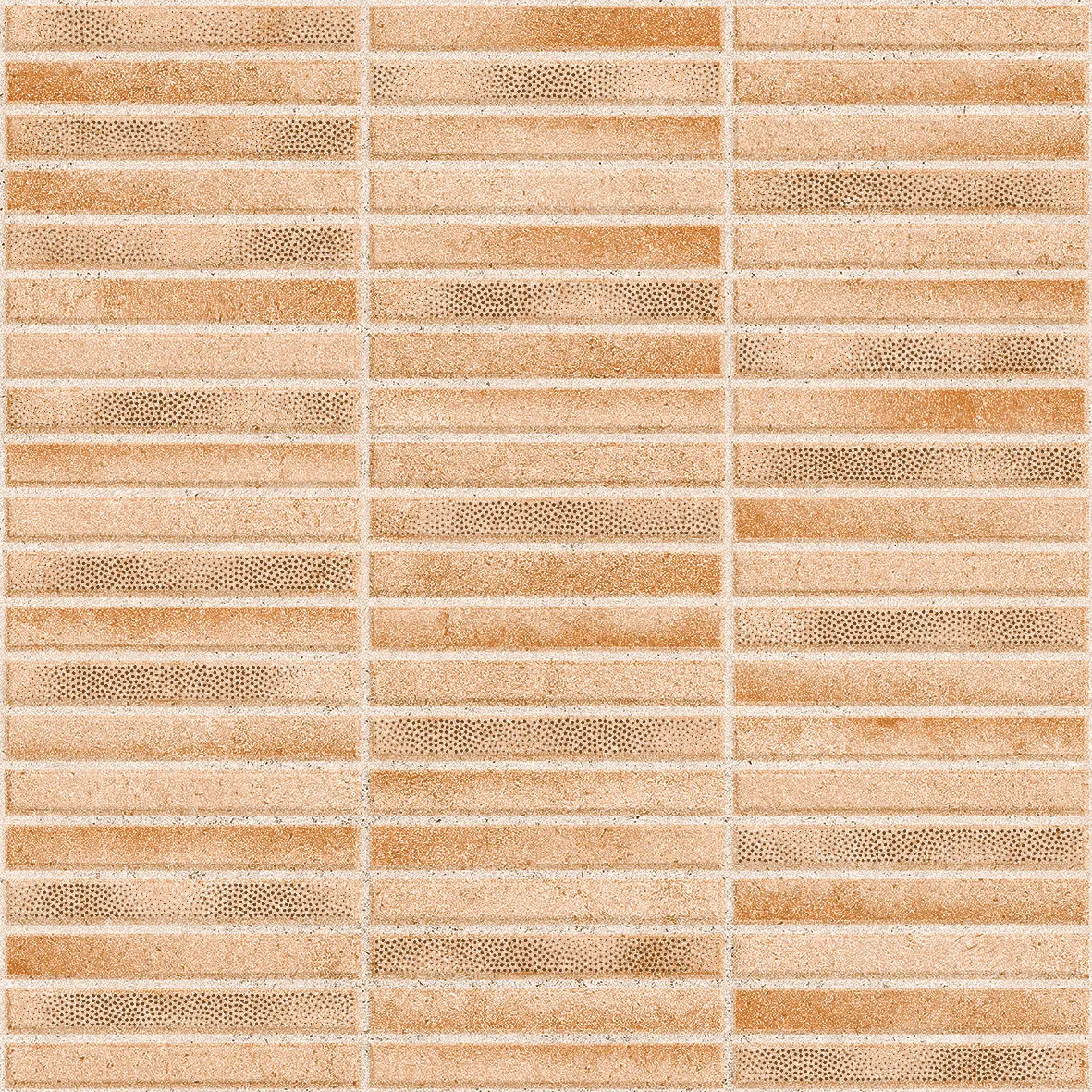
The word mosaic is used for several things:
- Glass and stone mosaics: small pieces, often 20 to 50 mm, sold on mesh sheets; used in pools, showers and feature walls.
- Mosaic flooring in India: the terrazzo floors of many older homes, made of marble chips set in cement and polished.
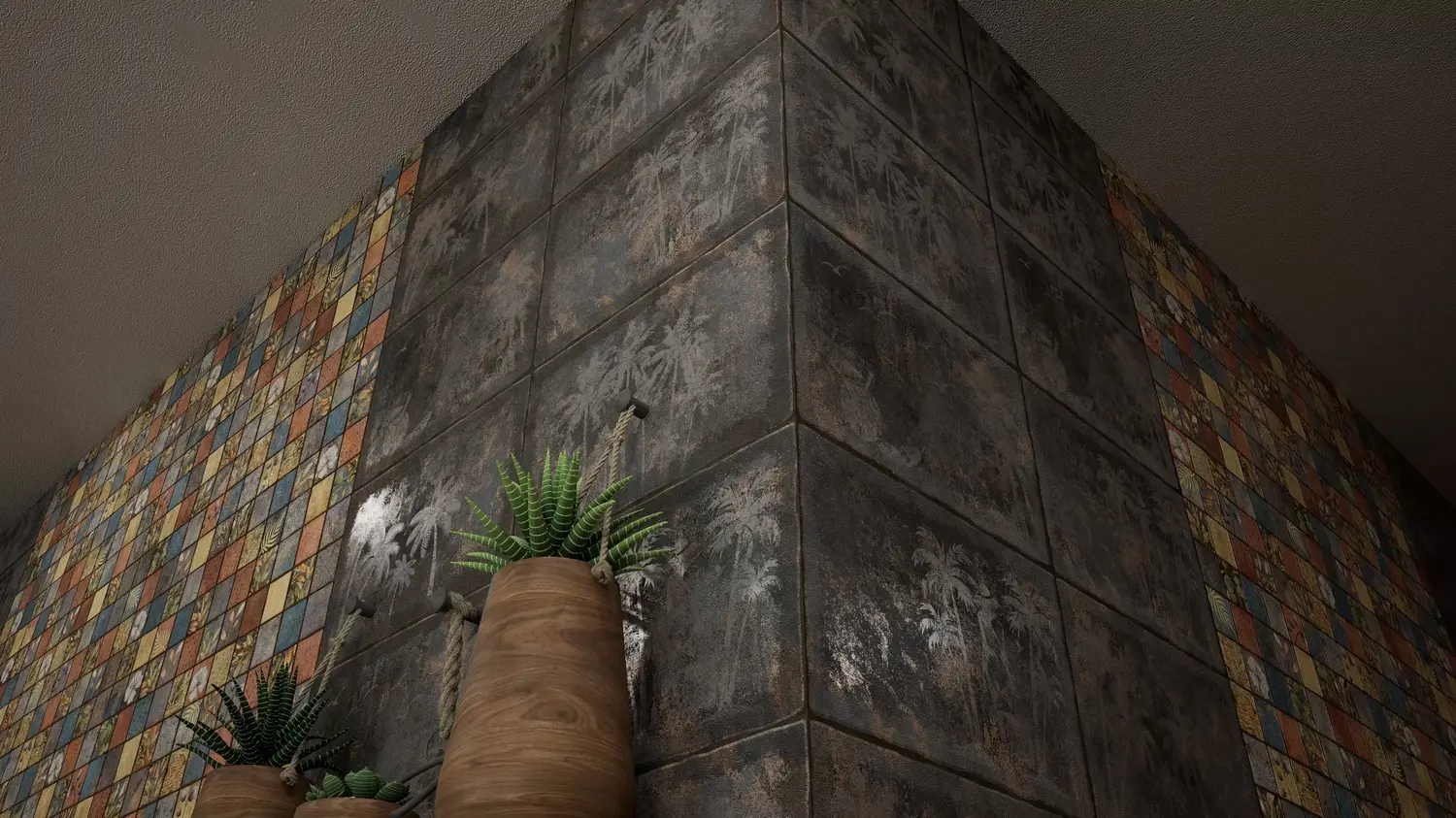
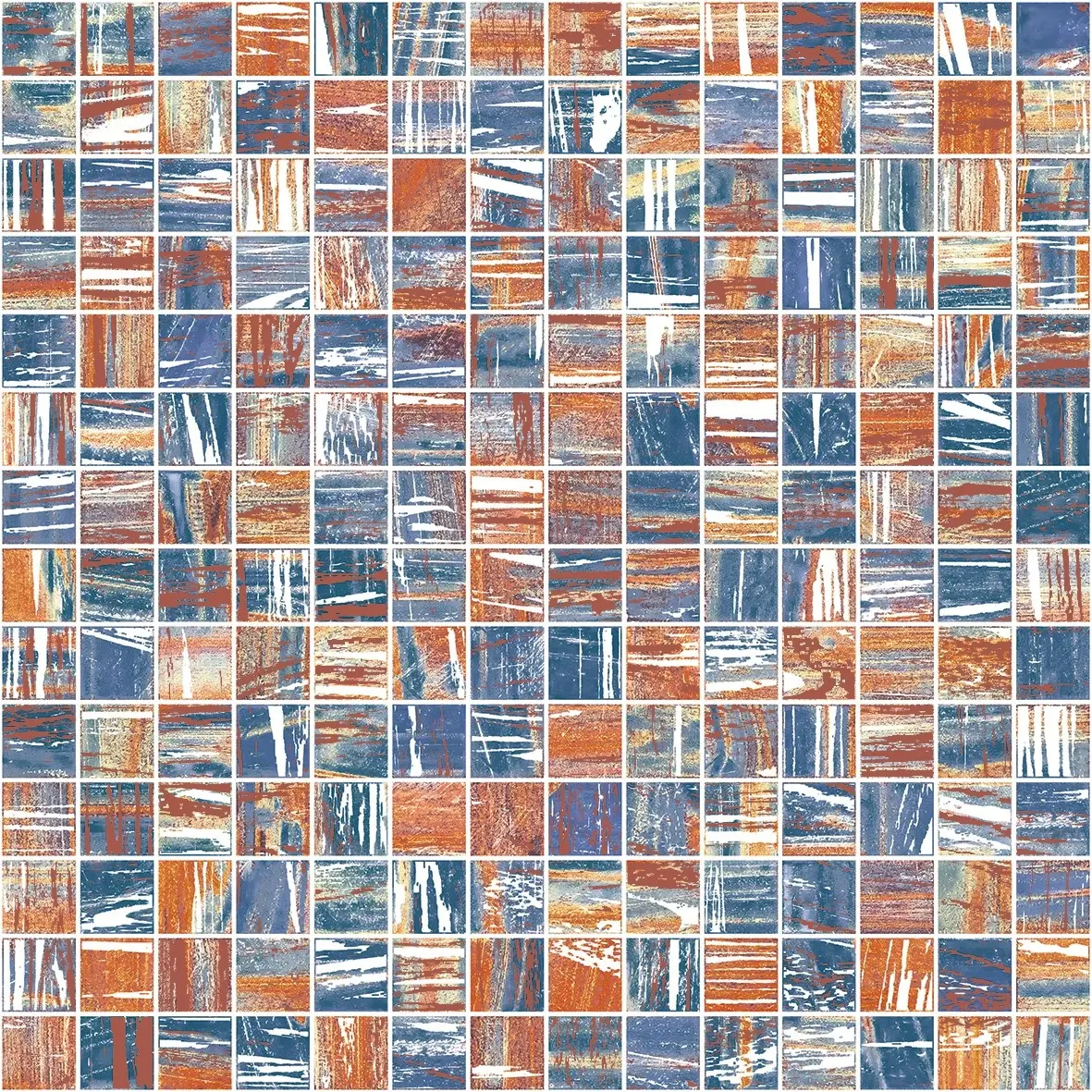
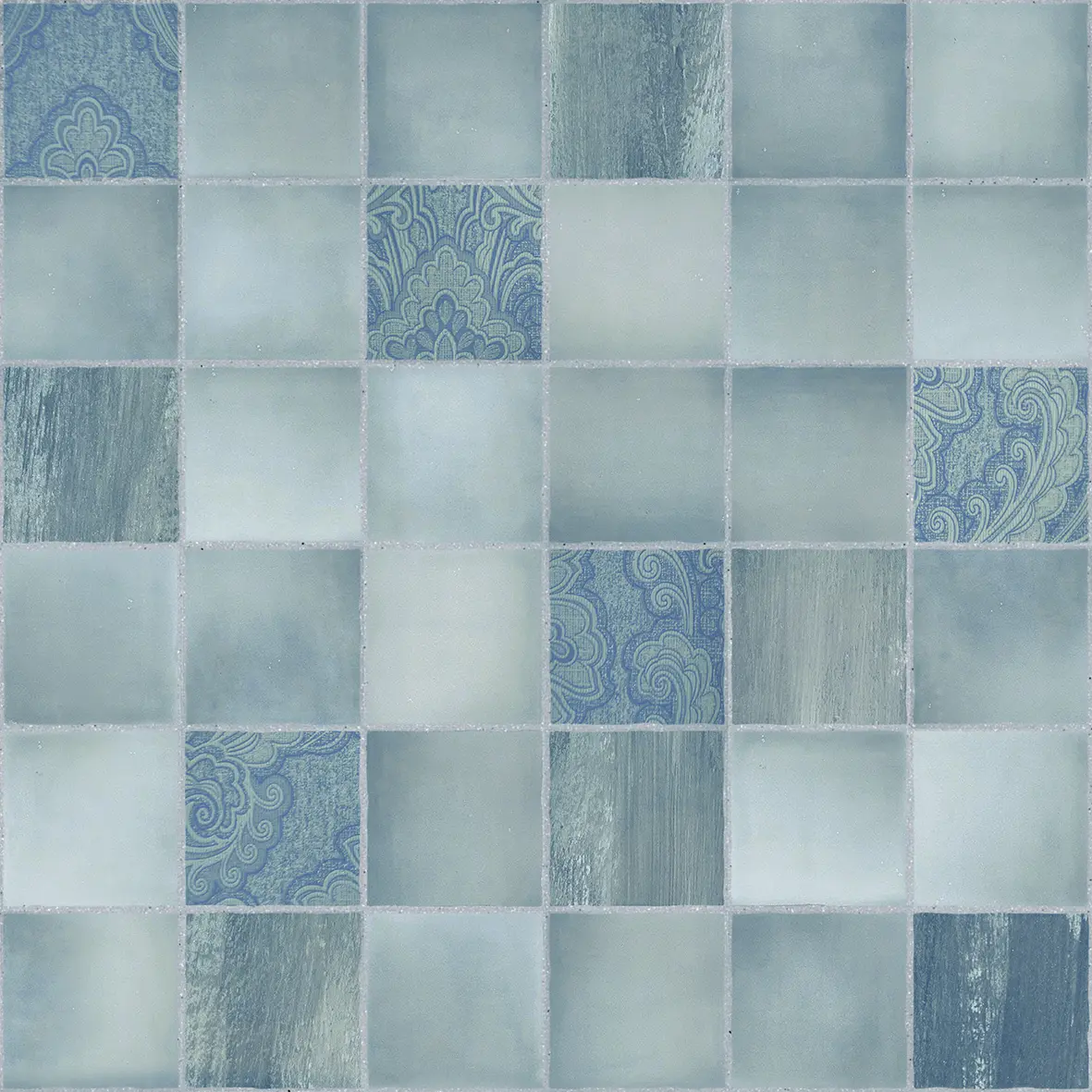
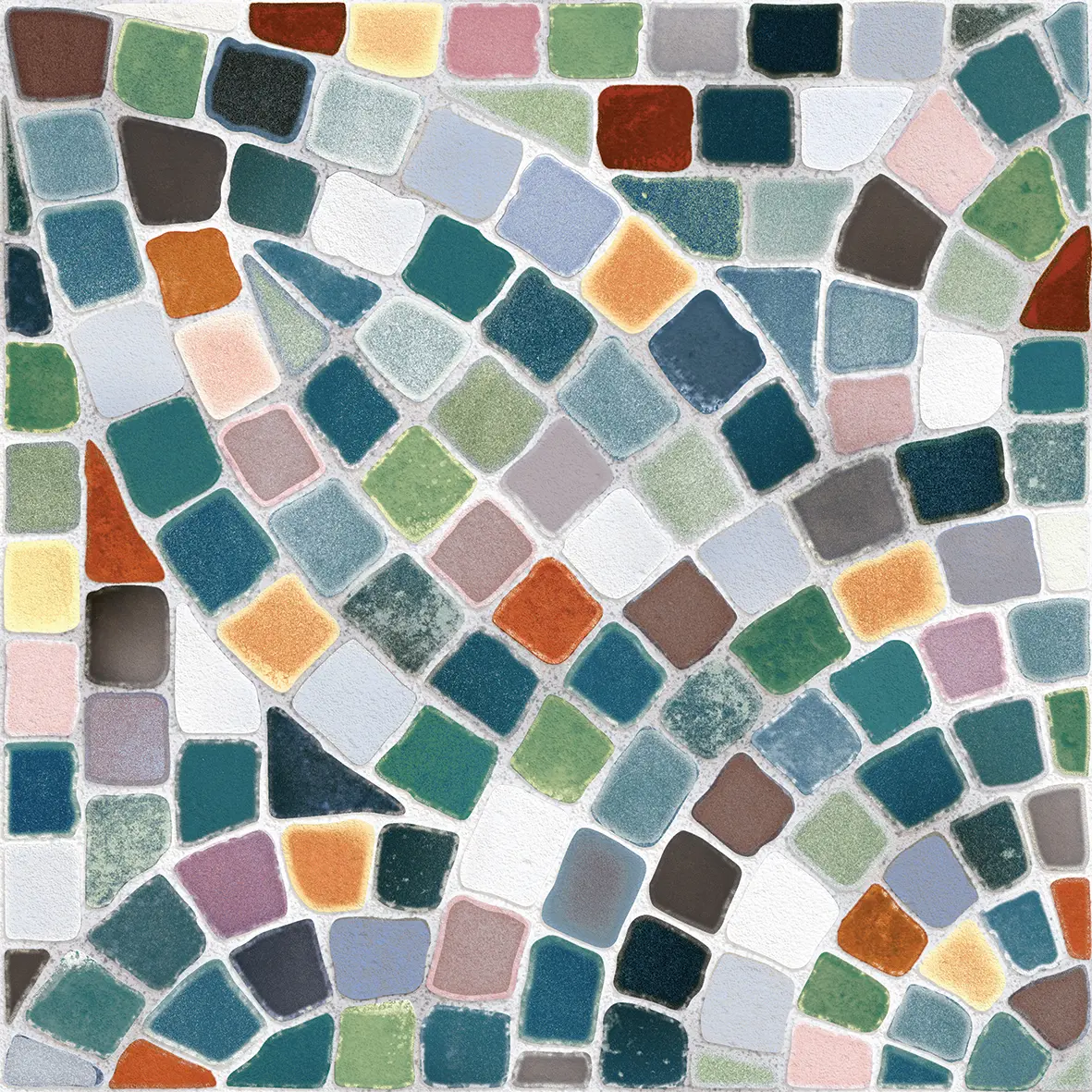
- Mosaic-look ceramic tiles: a mosaic pattern printed on a full-size tile, laid as quickly as any other tile. Our Multi Mosaic, Coliseo Azure and Kolum Multi pebble mosaic are examples.
Other types you will hear about
- Glass tiles: shiny, colourful, used as accents and in pools.
- Vinyl and LVT: plastic floor coverings that imitate tile and wood; not fired tiles at all.
- Wooden tiles: usually wood-look porcelain or ceramic tiles, not real wood.
- Cool roof or heat reflective tiles: white glazed tiles laid on terraces to reflect sunlight and keep the room below cooler.
Types of tiles compared
| Type | Water absorption | Strength | Sealing | Weight | Typical use |
|---|---|---|---|---|---|
| Ceramic wall tile | above 10% (body), sealed glaze | Medium | No | Light | Walls, elevations |
| Ceramic floor tile | about 3 to 10% | Medium to high | No | Medium | Bathroom, balcony and terrace floors |
| Porcelain | 0.5% or less | Very high | No | Heavy | Floors, large walls, outdoors |
| Marble | Varies, porous | Medium, soft surface | Yes | Heavy | Floors, walls, counters |
| Granite | Low once sealed | Very high | Yes | Heavy | Counters, steps, floors |
| Cement (encaustic) | Porous | Medium | Yes, regularly | Heavy | Floors, feature walls |
| Terracotta | Porous | Medium | Yes | Medium | Floors, walls, outdoors |
| Glass mosaic | Almost none | Medium | No | Light | Pools, showers, accents |
The water absorption figures follow the international standard for ceramic tiles, ISO 13006, which groups tiles from below 0.5% (porcelain) to above 10% (wall tiles). In India, ceramic tiles are covered by IS 15622.
Types of tiles by use
Wall tiles
Wall tiles are thinner and lighter than floor tiles and usually ceramic. Because they do not have to bear foot traffic, they can carry delicate glazes, high gloss and fine printed patterns. Common Indian sizes are 300 × 450 mm and 300 × 600 mm. They cover bathroom and kitchen walls, living room feature walls, bedrooms and pooja rooms. See designer wall tiles and wall tile sizes.
Floor tiles
Floor tiles are thicker and harder, and should have a finish suited to how wet the floor gets. Ceramic floor tiles suit homes; porcelain suits heavier traffic. Use only tiles made for floors on floors: a wall tile can crack underfoot.
Bathroom tiles
Usually a set: wall tiles for the walls, often a highlighter or decor tile for the shower or basin wall, and a matt, slip-resistant floor tile. See the bathroom wall tiles guide.
Kitchen tiles
Backsplash tiles between the counter and the wall cabinets, chosen to wipe clean of oil and spices, plus a hard-wearing floor. See kitchen wall tiles.
Elevation and cladding tiles
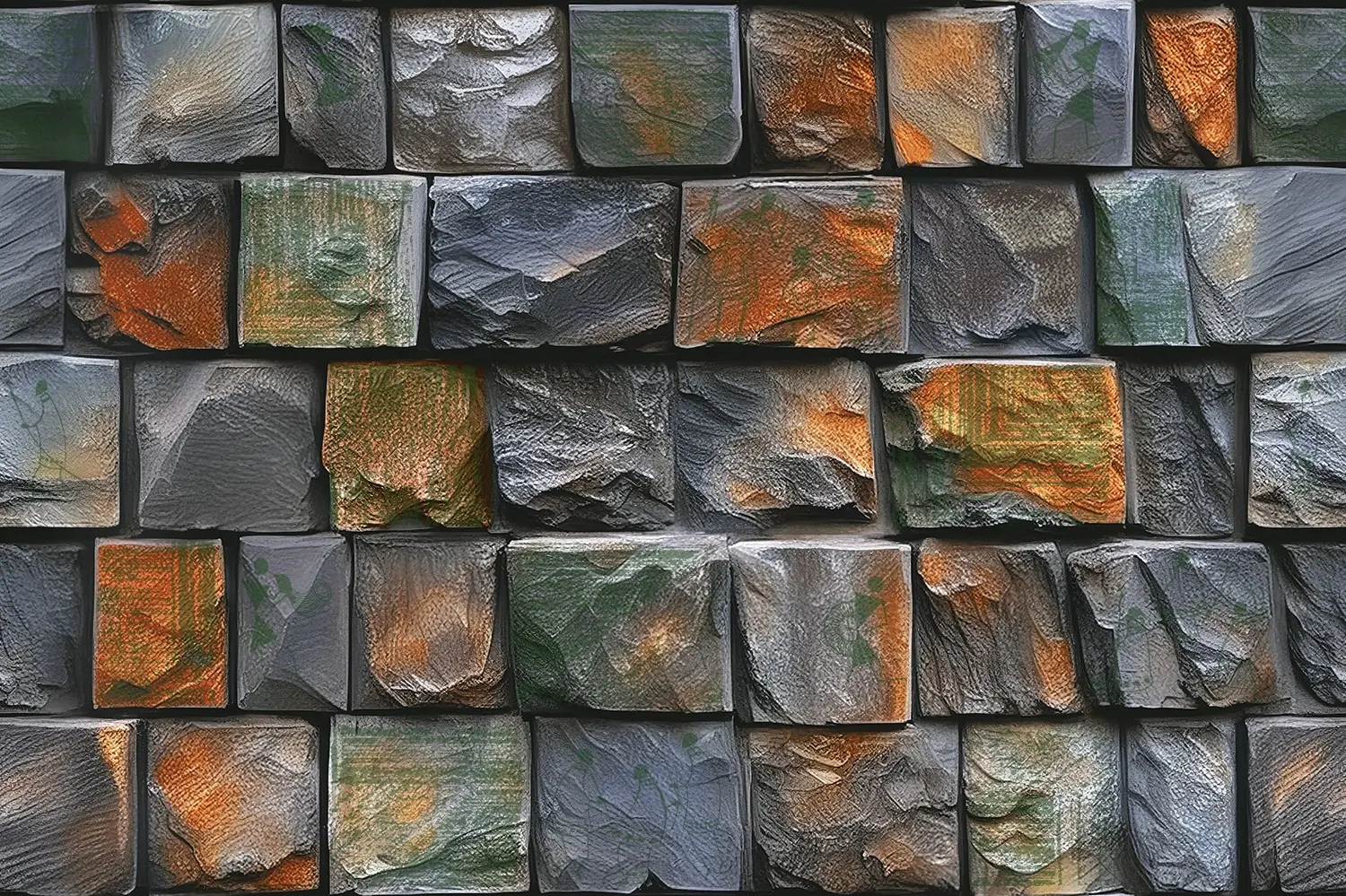
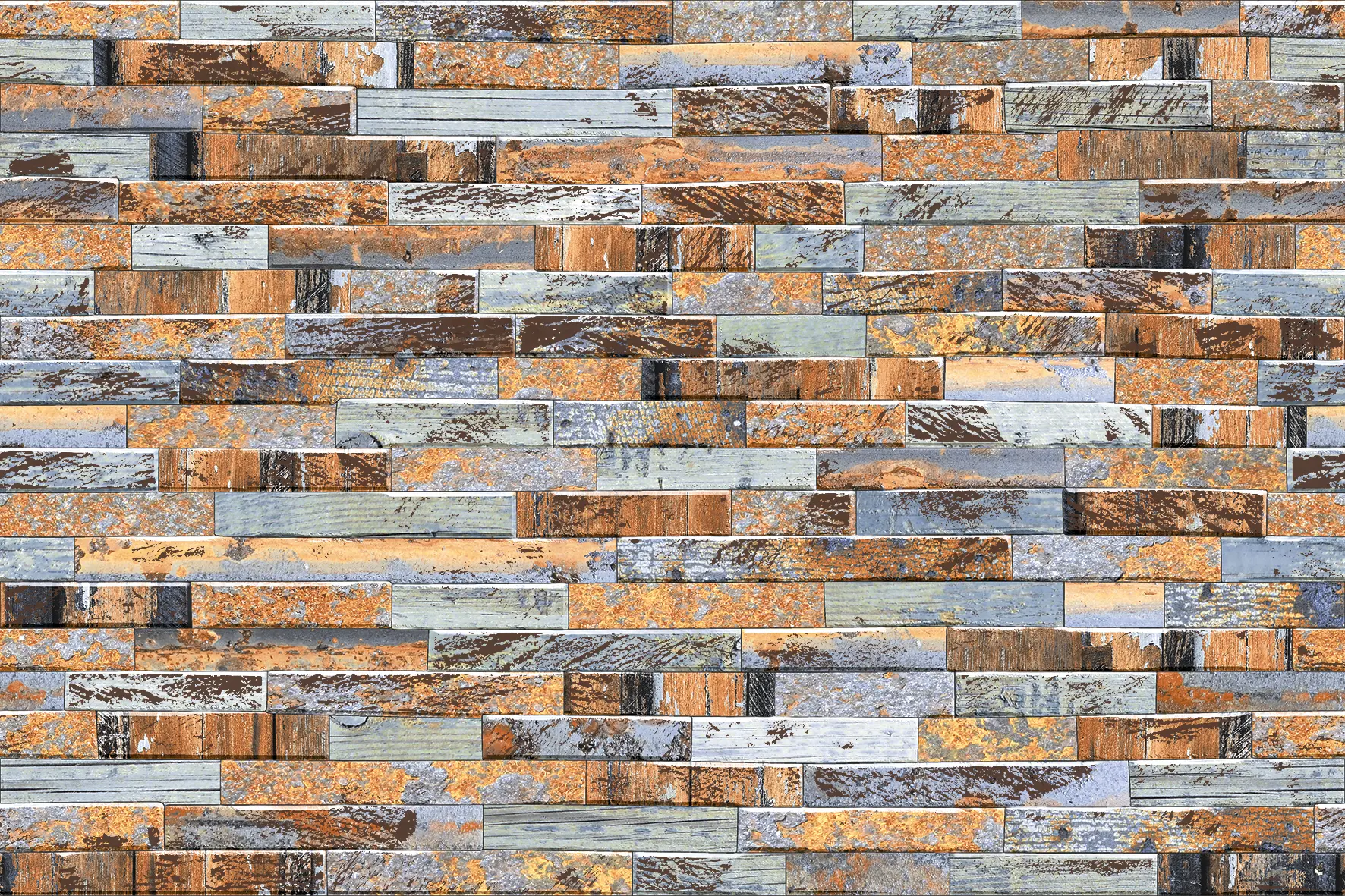
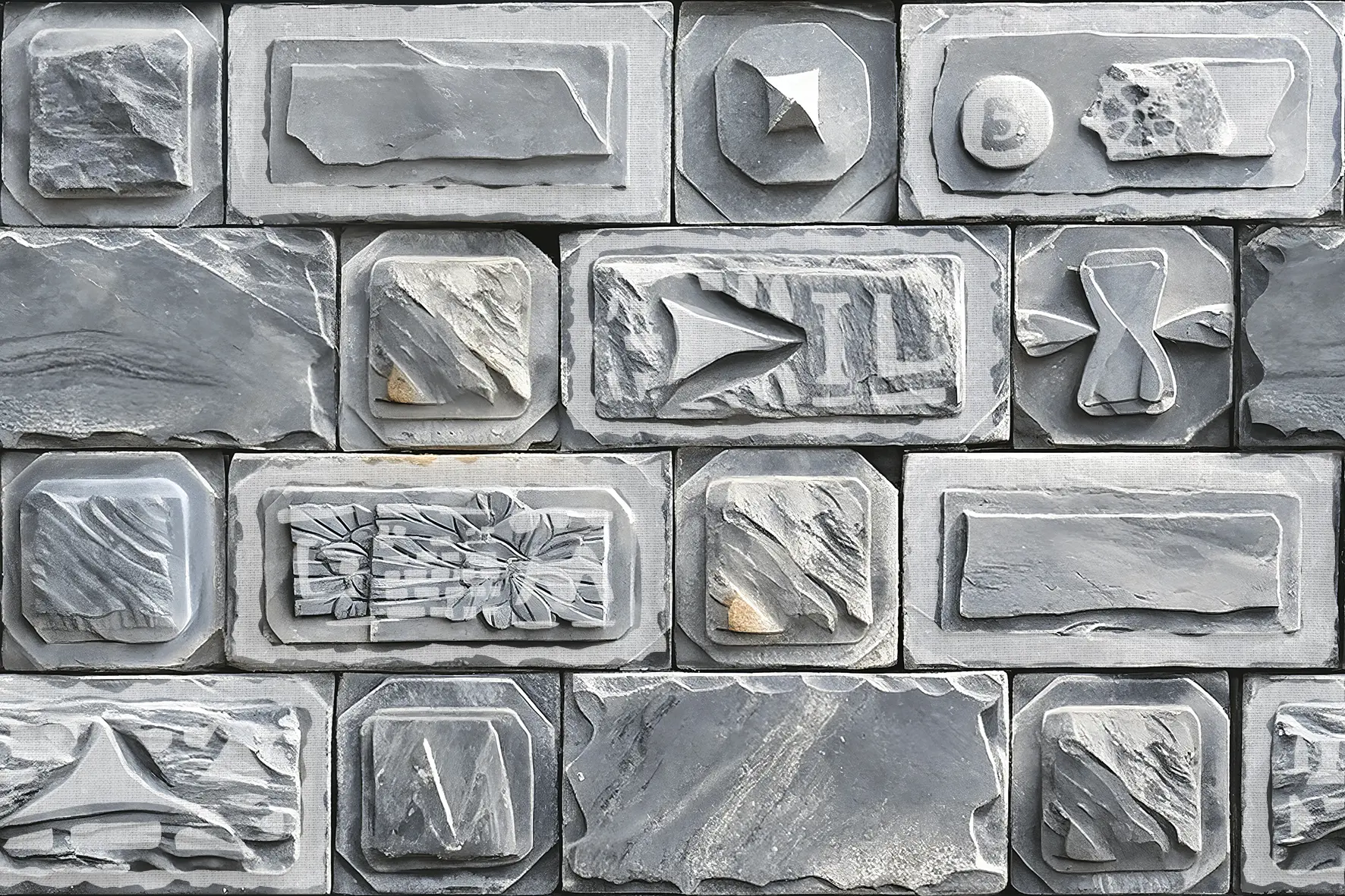
Tiles for the outside of a building: house fronts, boundary walls, pillars and terraces. They carry stone, slate, brick and sandstone looks in matt or rustic finishes that weather well. See exterior elevation tiles.
Parking and outdoor floor tiles
Thick, heavy-duty tiles with deep texture for driveways, car parks and garden paths. They are made to carry vehicles and resist slipping.
Swimming pool tiles
Tiles for pool shells, waterlines and surrounds: glass and porcelain mosaics inside the pool, and slip-resistant tiles around it. Our blue mosaic-look Coliseo Azure is made for pool areas. See swimming pool tiles.
Pooja room tiles
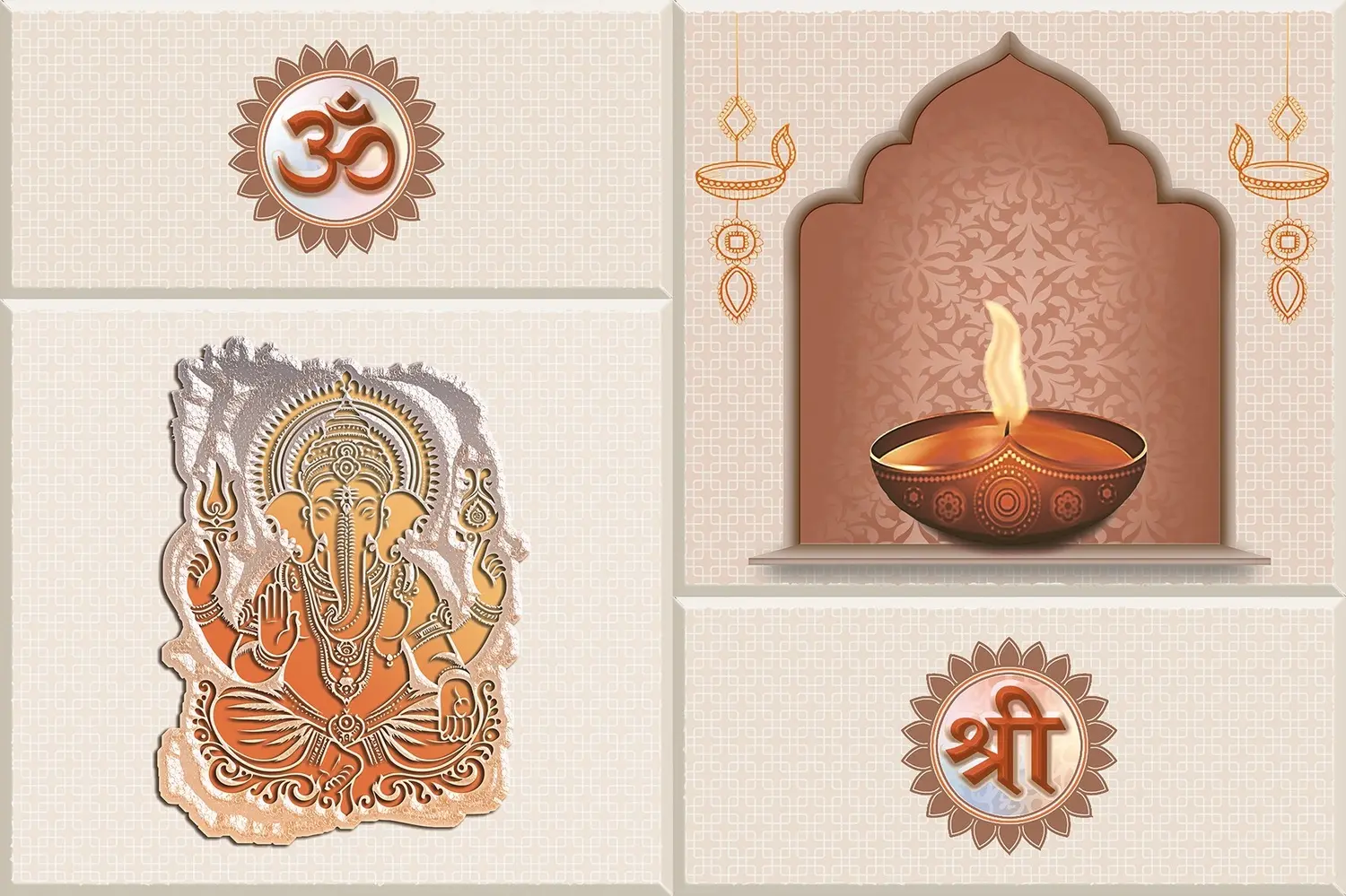
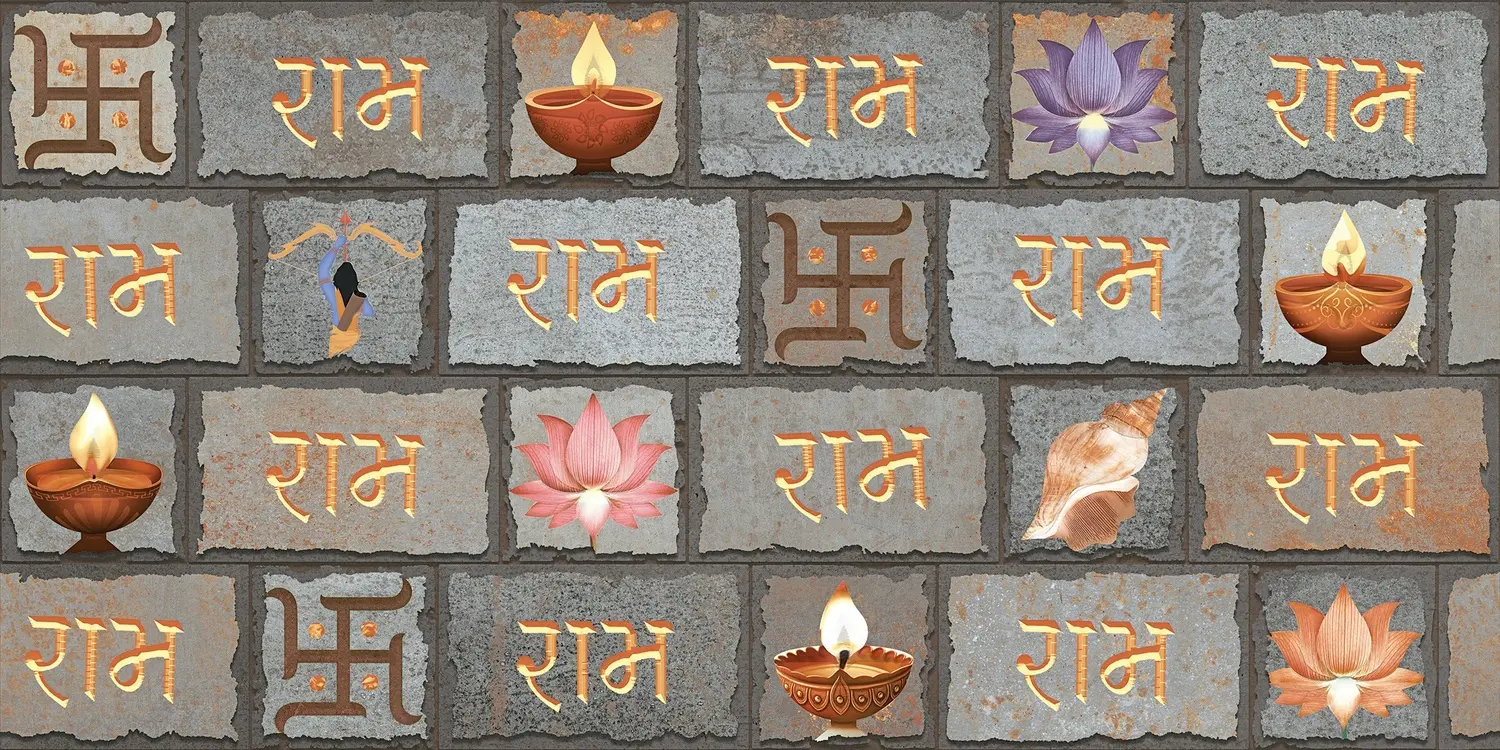
Tiles carrying devotional images and mantras, such as Om, Lord Ganesh or Ram naam, for mandir walls and temple walls. See pooja room tiles.
Highlighter and decor tiles
Patterned tiles used as a band, panel or feature among plain tiles, usually sold as a set with a matching base. See highlighter tiles.
Types of tiles by finish
- Glossy: shiny and reflective, wipes clean; for walls.
- Matt: soft, no glare, hides marks; for walls and floors.
- Satin: a soft sheen between the two.
- Rustic or structured: real texture like stone; for elevations, terraces and feature walls.
- Polished: porcelain ground and polished to a mirror shine after firing.
- Lappato: semi-polished, with a soft shine on the high points.
- Carving and sugar: surface effects common in Morbi: a relief that follows the print, or a glittering grain.
See matt vs glossy tiles for how to choose.
Types of tiles by size
| Size | Common names | Typical use |
|---|---|---|
| 300 × 300 mm | 12 × 12 inch, 1 × 1 ft | Bathroom and balcony floors, patterned walls |
| 300 × 450 mm | 12 × 18 inch | Bathroom and kitchen walls, elevations |
| 300 × 600 mm | 12 × 24 inch, 1 × 2 ft | Walls, feature walls, elevations |
| 600 × 600 mm | 2 × 2 ft | Floors |
| 600 × 1200 mm | 2 × 4 ft | Floors, large walls |
| 800 × 1600 mm and up | Slabs | Floors, walls, counters |
Types of tiles by look
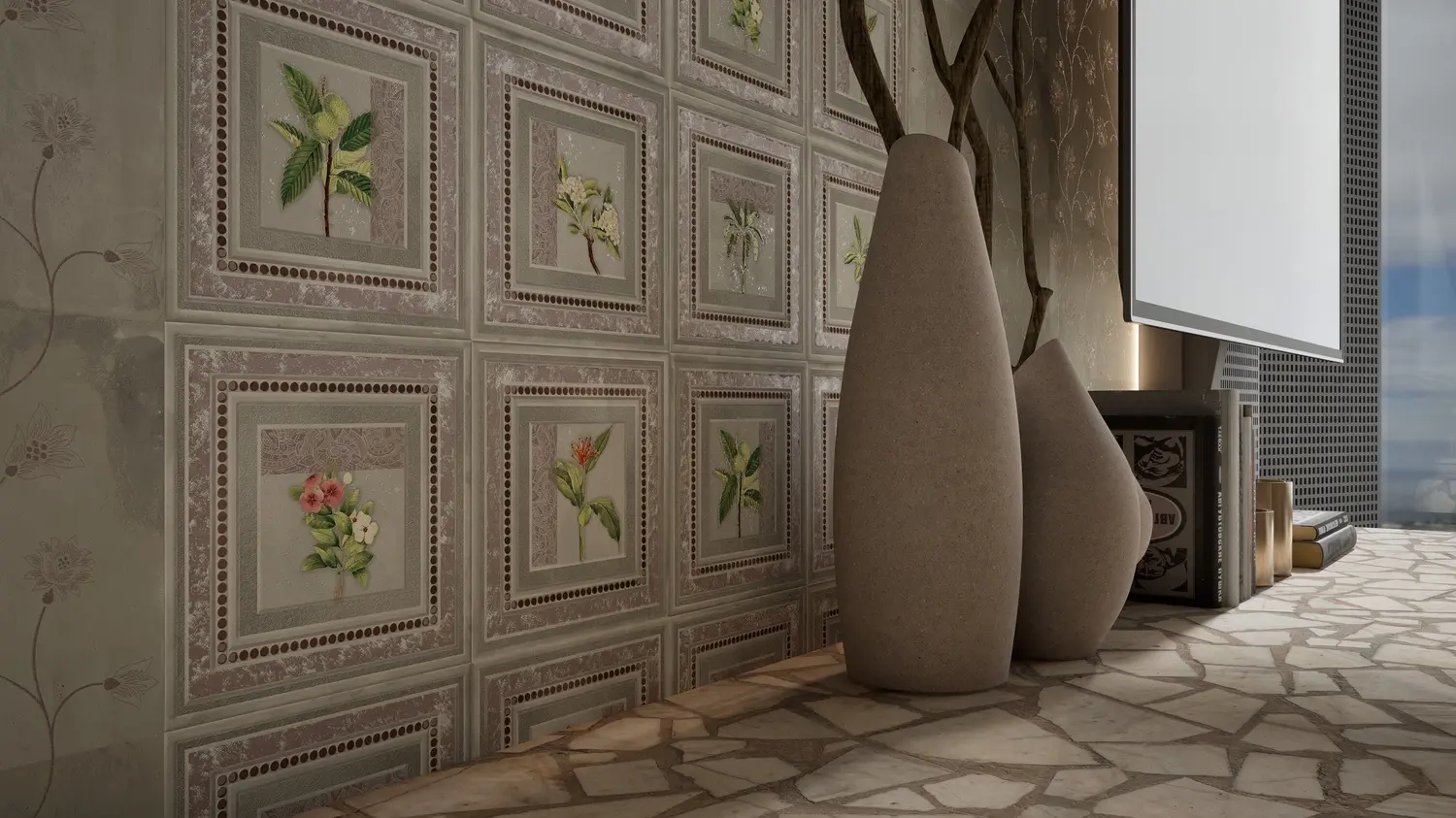
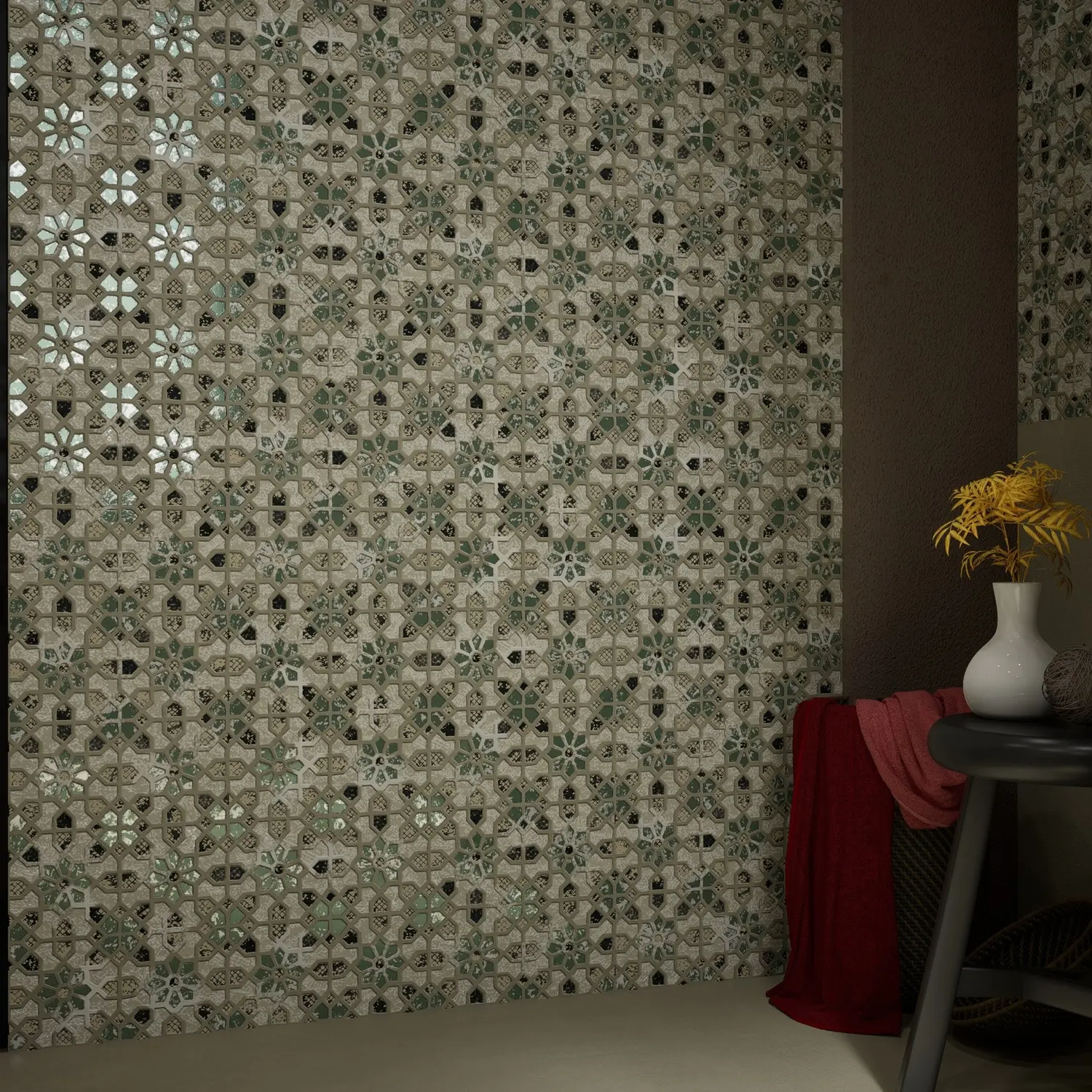
Digital printing means almost any material can be a tile's look: marble, granite, slate, sandstone, brick, terracotta, wood, concrete, metal, fabric, Moroccan patterns, botanical prints, geometric shapes and devotional art. Our range alone covers stone and slate, brick and terracotta, marble, rust metal, Moroccan, botanical, geometric, patchwork and pooja designs. See digital wall tiles for how printing works.
Which type for which room
| Space | Walls | Floor |
|---|---|---|
| Bathroom | Glazed ceramic, matt or glossy, with a decor panel | Matt ceramic or porcelain floor tile with a good slip rating |
| Kitchen | Glazed ceramic backsplash, glossy or matt | Porcelain or ceramic floor tile |
| Living room | Designer ceramic feature wall | Porcelain, large format |
| Bedroom | Matt ceramic feature wall | Porcelain or wood look |
| Pooja room | Devotional ceramic tiles on a light base | Light ceramic or stone, never sacred motifs |
| Balcony and terrace | Stone or brick look ceramic | Matt or textured ceramic or porcelain |
| House front | Stone, slate or sandstone look elevation tiles | Parking or outdoor tiles for the drive |
| Pool | Glass or porcelain mosaic, mosaic-look tiles | Slip-resistant tiles around the pool |
| Cafe or shop | Designer and patterned ceramic | Porcelain |
Tiles in India: a short history
Tiles have a long history in India. Fired clay bricks and tiles were used in the cities of the Indus Valley. Glazed tilework in blue, turquoise and yellow arrived with Persian influence and decorated Mughal-era monuments in the north. In 1865 the Basel Mission started making clay roof tiles in Mangalore, and the Mangalore tile spread across the south and west coast. In Tamil Nadu, the handmade cement tiles of Athangudi, in Chettinad, became famous for their colours and patterns.
Through the twentieth century, Indian homes moved from lime and red oxide floors to mosaic (terrazzo) and Kota stone, then to ceramic tiles. Morbi in Gujarat grew from a roof tile town into the country's ceramic capital, and today most ceramic and porcelain tiles used in India are made there. Our guide to the Morbi tile industry tells that story.
How to choose the right type
- Wall or floor? Walls can take any tile; floors need tiles made for floors.
- Wet or dry? For wet floors, choose a matt or textured finish with a good slip rating. For walls in wet areas, any glazed tile is fine.
- Indoors or outdoors? Outside, choose matt or rustic, frost-proof porcelain in cold climates, and stone looks that hide weathering.
- How much traffic? Homes are fine with ceramic floor tiles; malls and offices need porcelain.
- How much care will it get? Glazed ceramic and porcelain need only wiping. Natural stone, cement and terracotta need sealing.
- What look do you want? Choose the look, then the type that delivers it best in that place.
Common questions in the showroom
- Is ceramic or porcelain better? For walls, ceramic is lighter, easier to fix and offers more designs. For floors with heavy use, porcelain is harder.
- Is digital the same as ceramic? Digital describes how the design is printed; the tile underneath can be ceramic or porcelain.
- Does a thicker tile mean better quality? Not by itself. The right thickness depends on the size and use; see 8 checks for premium tiles.
A quick glossary
- Body: the clay part of the tile under the glaze.
- Glaze: the glassy layer fired onto the face.
- Decor: a patterned tile used with a plain base.
- Calibre: the size group a tile belongs to after sorting.
- Shade: the colour batch of a firing.
- Rectified: ground to an exact size after firing.
- Faces: the different printed versions of one design.
- Water absorption: how much water the body takes up, which decides the tile's group under ISO 13006.


Not sure which type of tile you need? Contact us with the room and the look you want, or read how the Morbi tile industry works.