
Bathroom wall tiles design: ideas, sizes and finishes that work
A good bathroom wall is easy to clean, makes the room feel bigger and has one feature that draws the eye. Here are layouts, sizes and finishes that work in Indian bathrooms, with real designs.
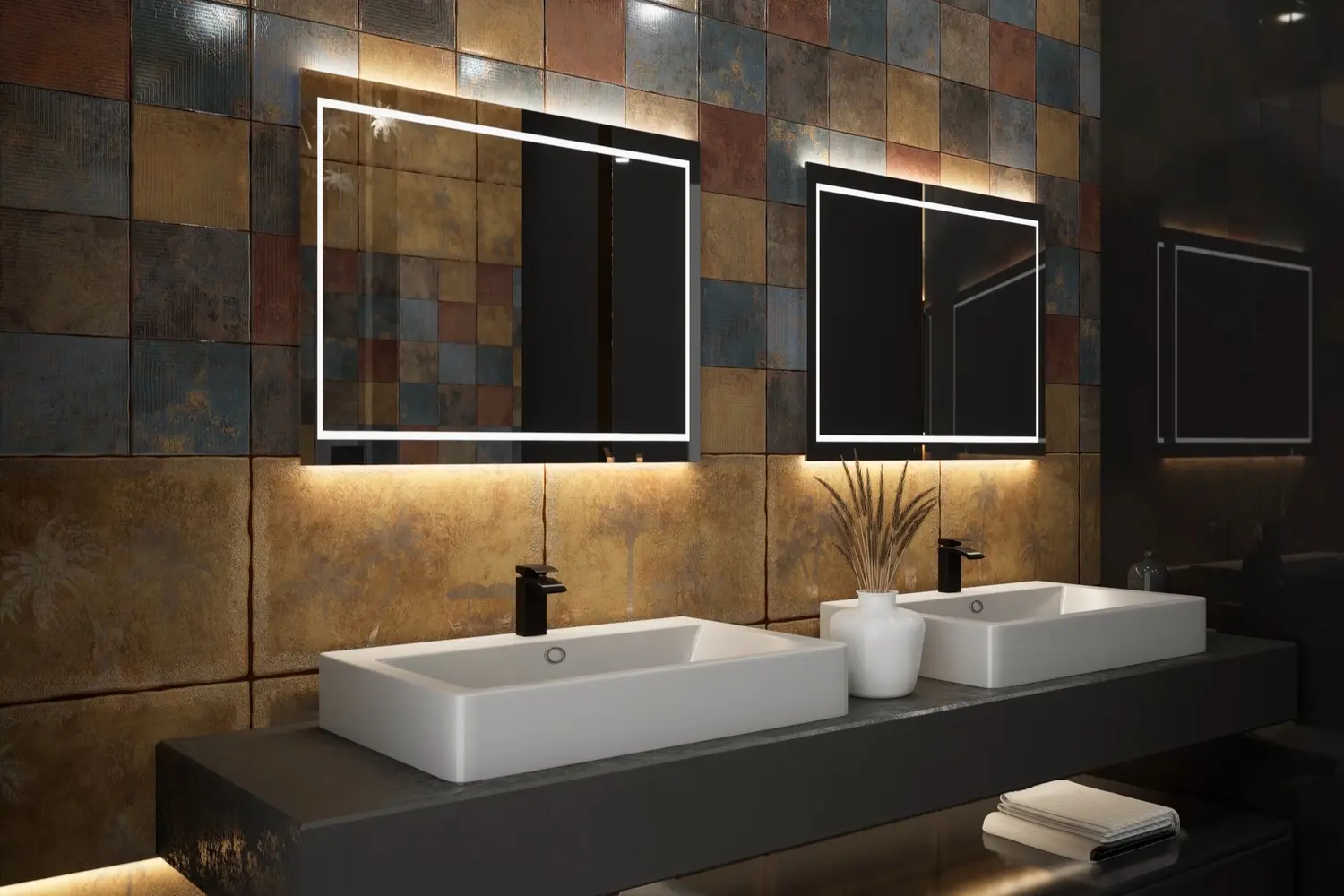
Bathroom walls work hard: water, soap, steam and daily cleaning. Glazed ceramic wall tiles suit them because the surface does not soak up stains and wipes clean. The design question is how to make the room look good without making it busy.
Three layouts that work
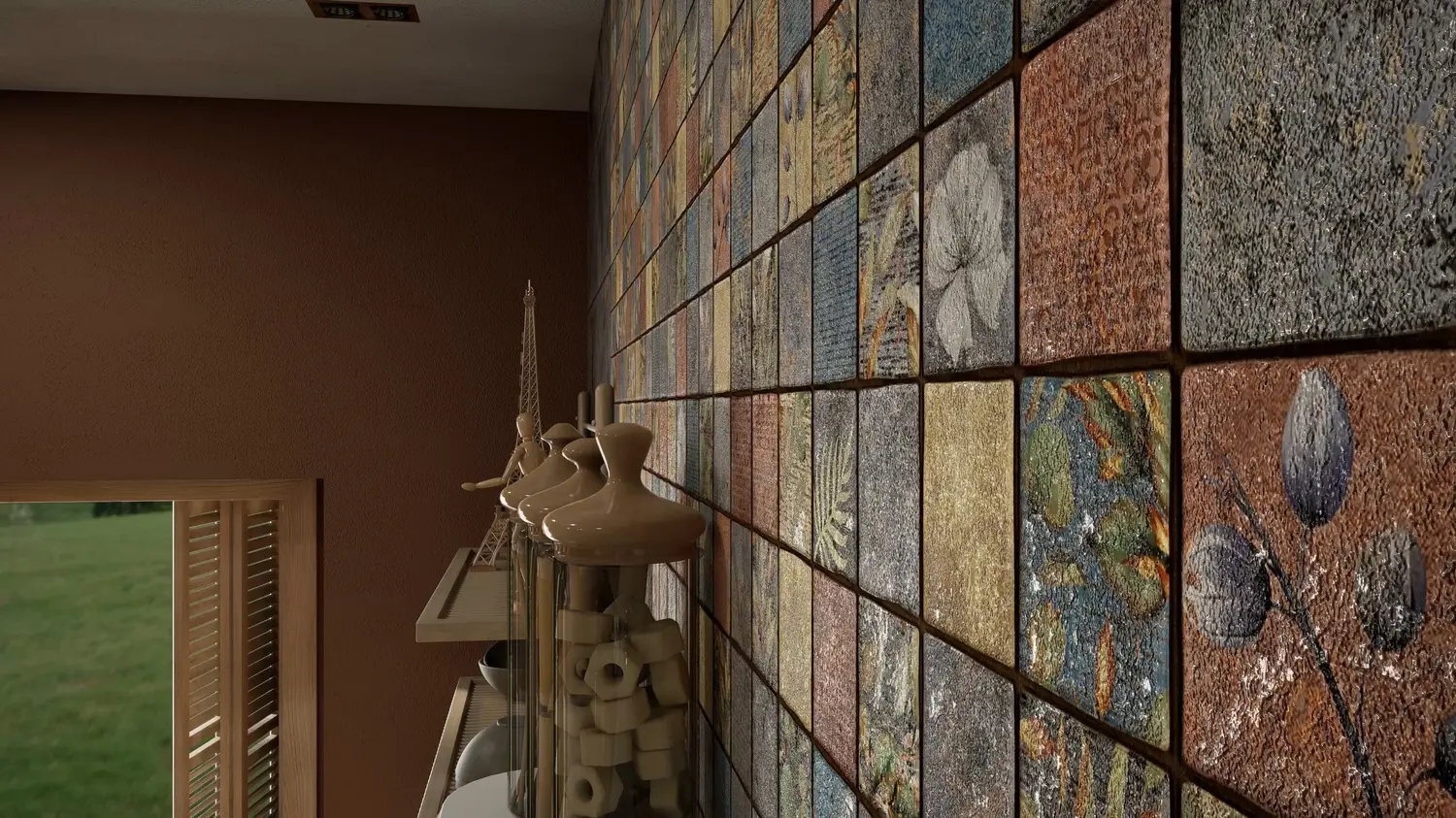
Feature wall. Tile the wall behind the basin or the shower in a pattern and keep the other walls plain. The room gets a focus and stays calm.
Highlighter band. Run a band of pattern tiles at eye level, or a vertical strip behind the basin, with a plain base tile above and below. See where to place highlighter tiles.
Full pattern. One design on every wall works in a small powder room or a guest toilet, where the effect is short and bold.
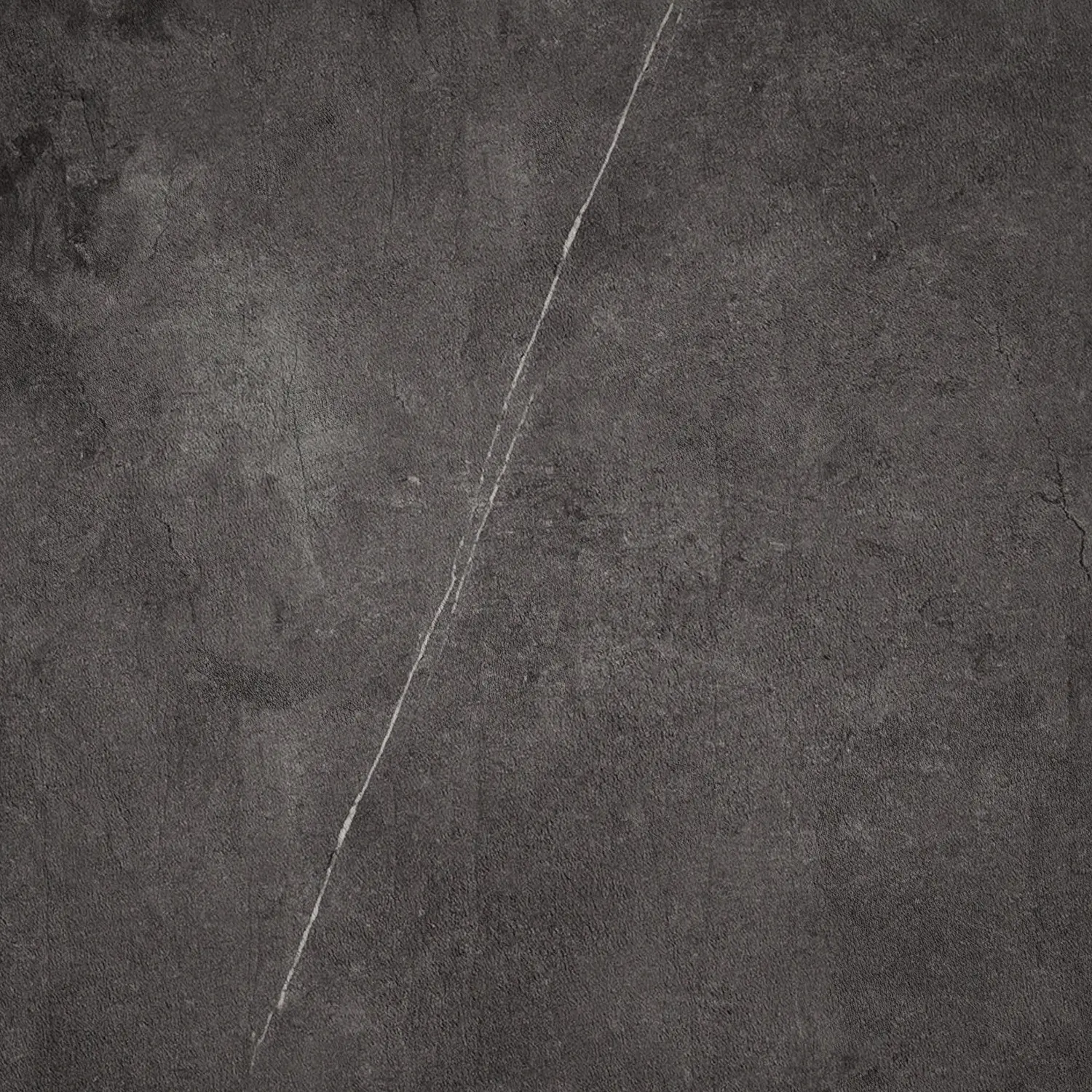
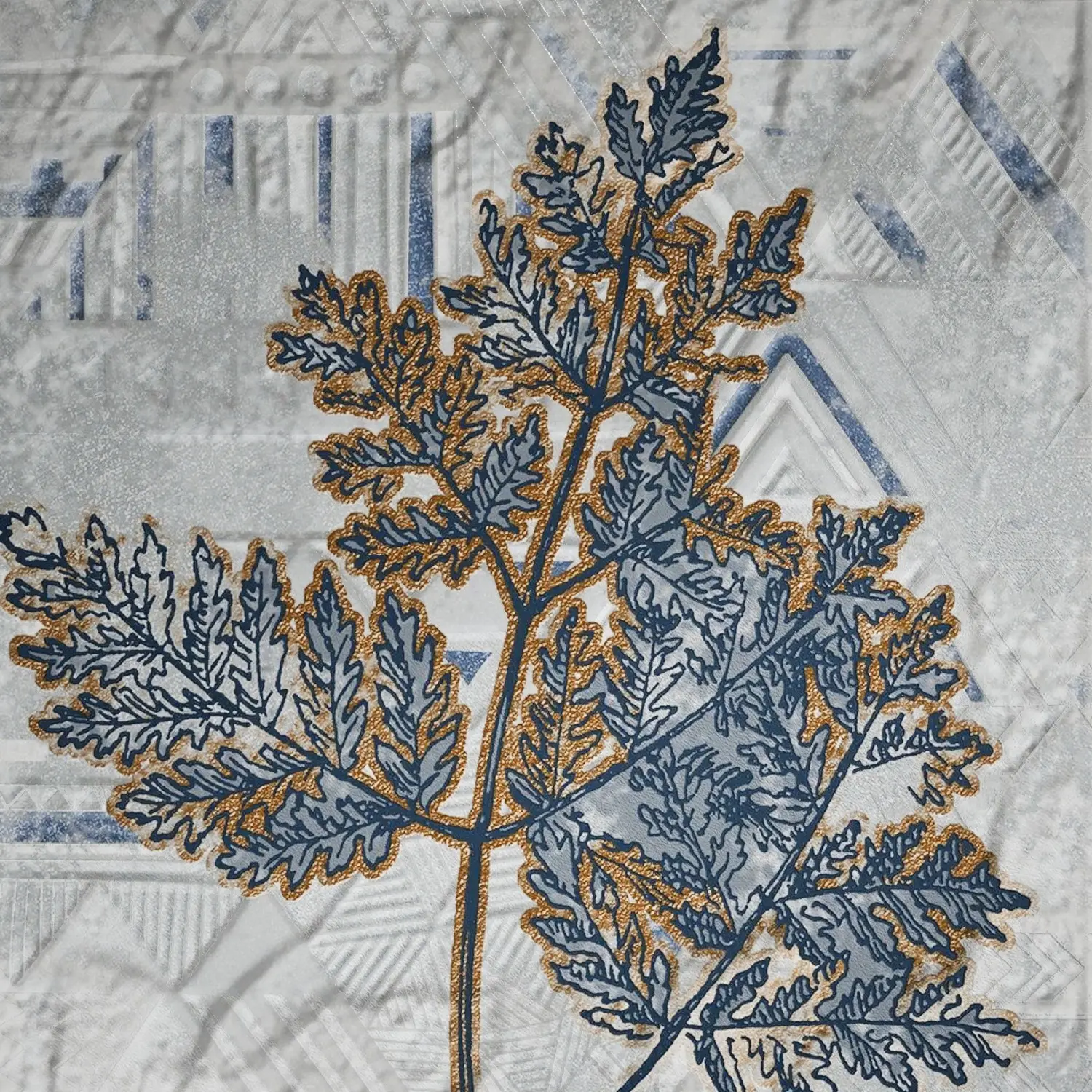
Glossy or matt for bathroom walls
| Finish | Pros | Watch out for |
|---|---|---|
| Glossy | Reflects light, small bathrooms look bigger, wipes clean | Water spots show on dark colours |
| Matt | Hides water marks and fingerprints, softer look | Soap film needs a regular wipe |
Many bathrooms combine the two: a glossy base tile with a matt pattern on the feature wall. For the floor, use a tile made for floors.
Which size for bathroom walls
300 × 450 mm (12 × 18 inch) is the standard bathroom wall tile in India: easy to fix, with little waste on small walls. 300 × 600 mm (12 × 24 inch) gives fewer joints and a cleaner look on larger walls. 300 × 300 mm works for pattern panels, niches and accents. More in wall tile sizes explained.
How high to tile
Many Indian bathrooms are tiled to about 7 ft, with paint above. Tiling up to the ceiling looks finished and is easier to keep clean, especially around the shower.
Colours that work
- Light base tiles (white, beige, light grey) make a small bathroom feel bigger.
- One strong colour in the feature (blue, green or terracotta) is enough.
- Grey and stone looks hide marks better than pure white.
How many boxes you need
- Measure each wall: width × height in feet. Subtract the door and any window.
- Add the walls together and add about 10% for cuts.
- Divide by the box coverage: 7.5 sq ft for a 300 × 450 mm box, 8 sq ft for a 300 × 600 mm box.
Example: a bathroom with 140 sq ft of wall needs 154 sq ft with cuts, which is 21 boxes of 300 × 450 mm tiles. Each product page has a calculator that does this for you.
Fixing tips
- Use a tile adhesive rather than plain cement mortar for a stronger bond on walls.
- In wet areas, epoxy grout resists stains and water better than cement grout.
- Waterproof the shower area before tiling.
Moroccan patterns are a classic bathroom accent: see Moroccan tiles in Indian homes.