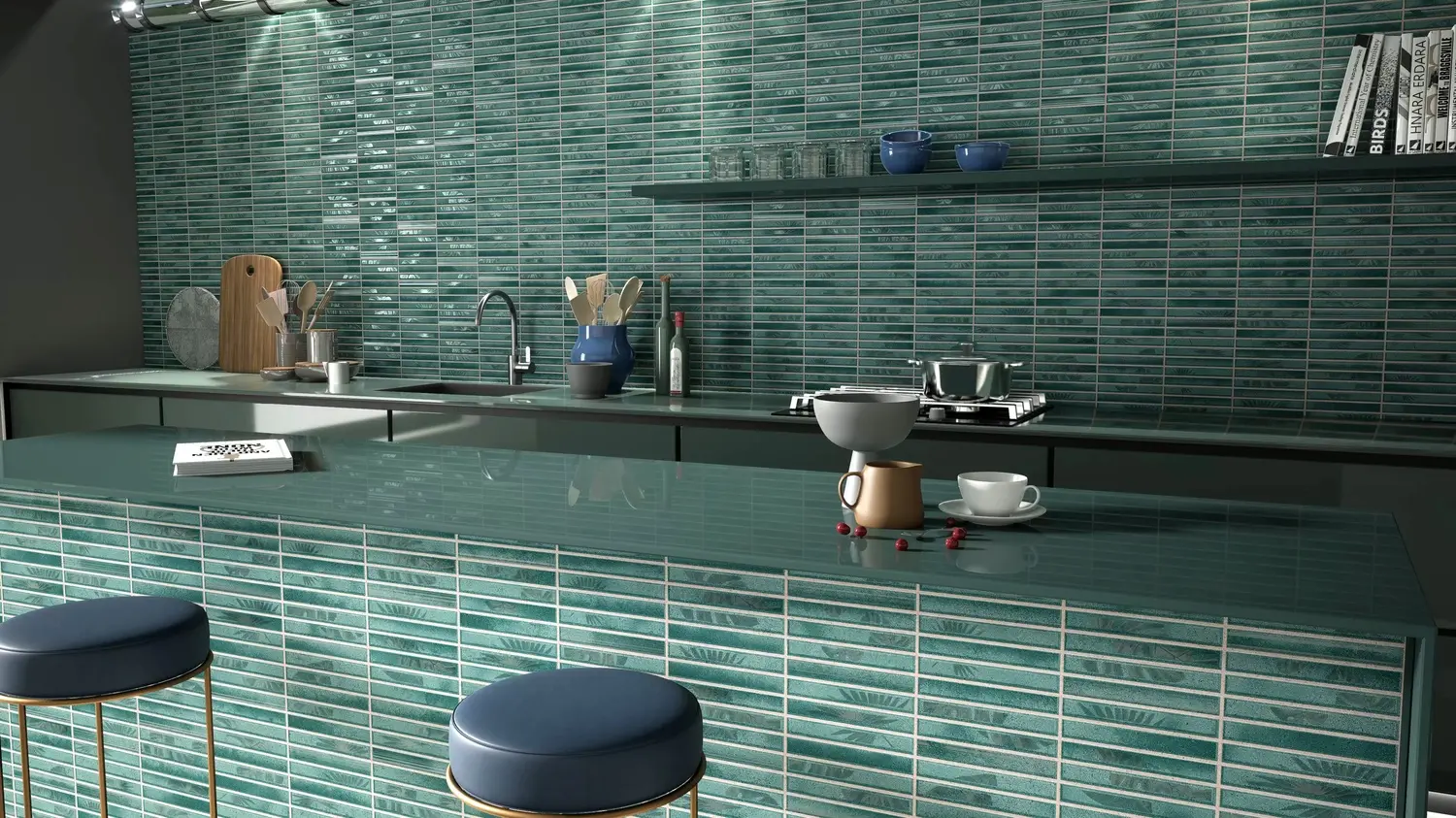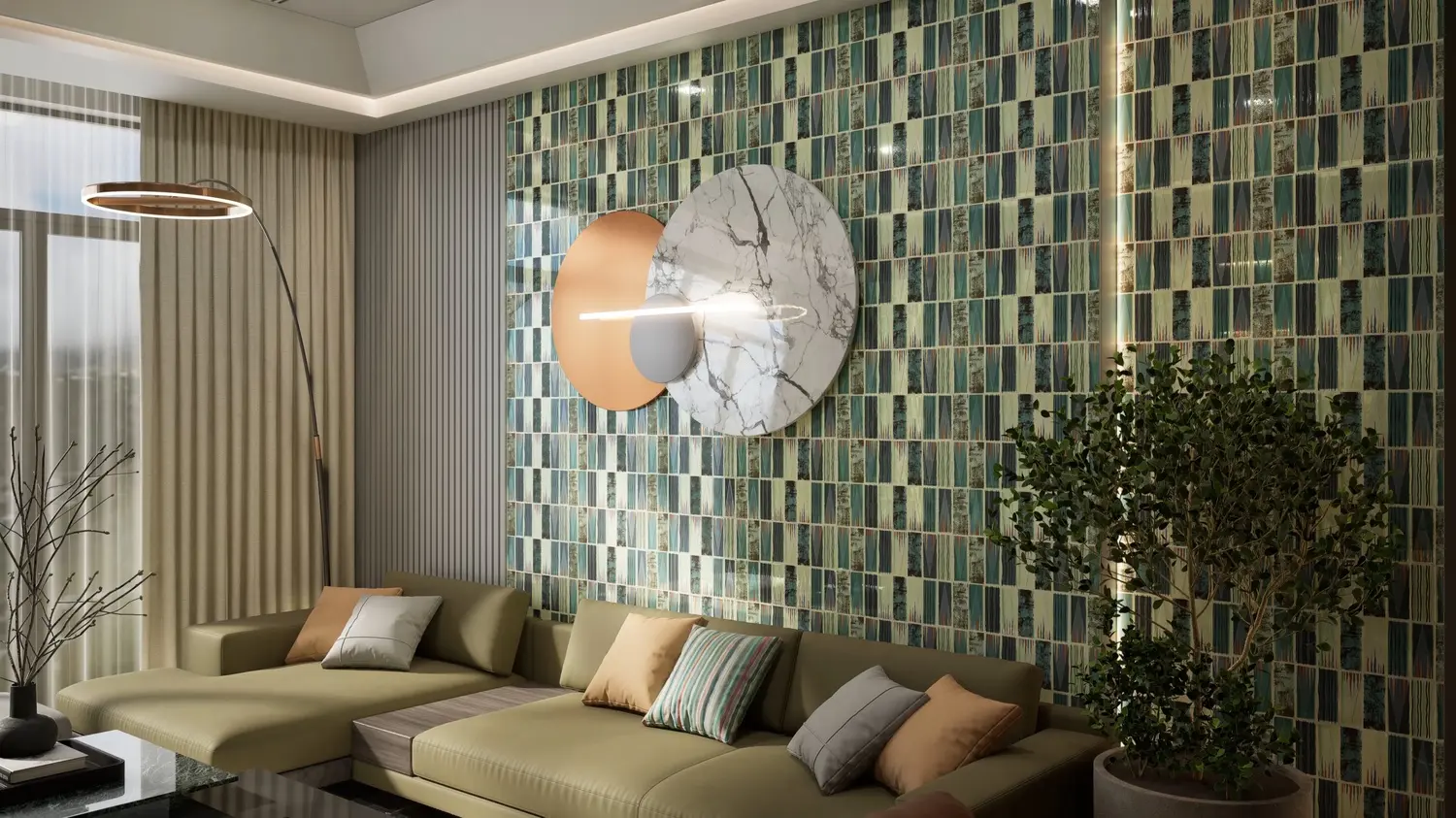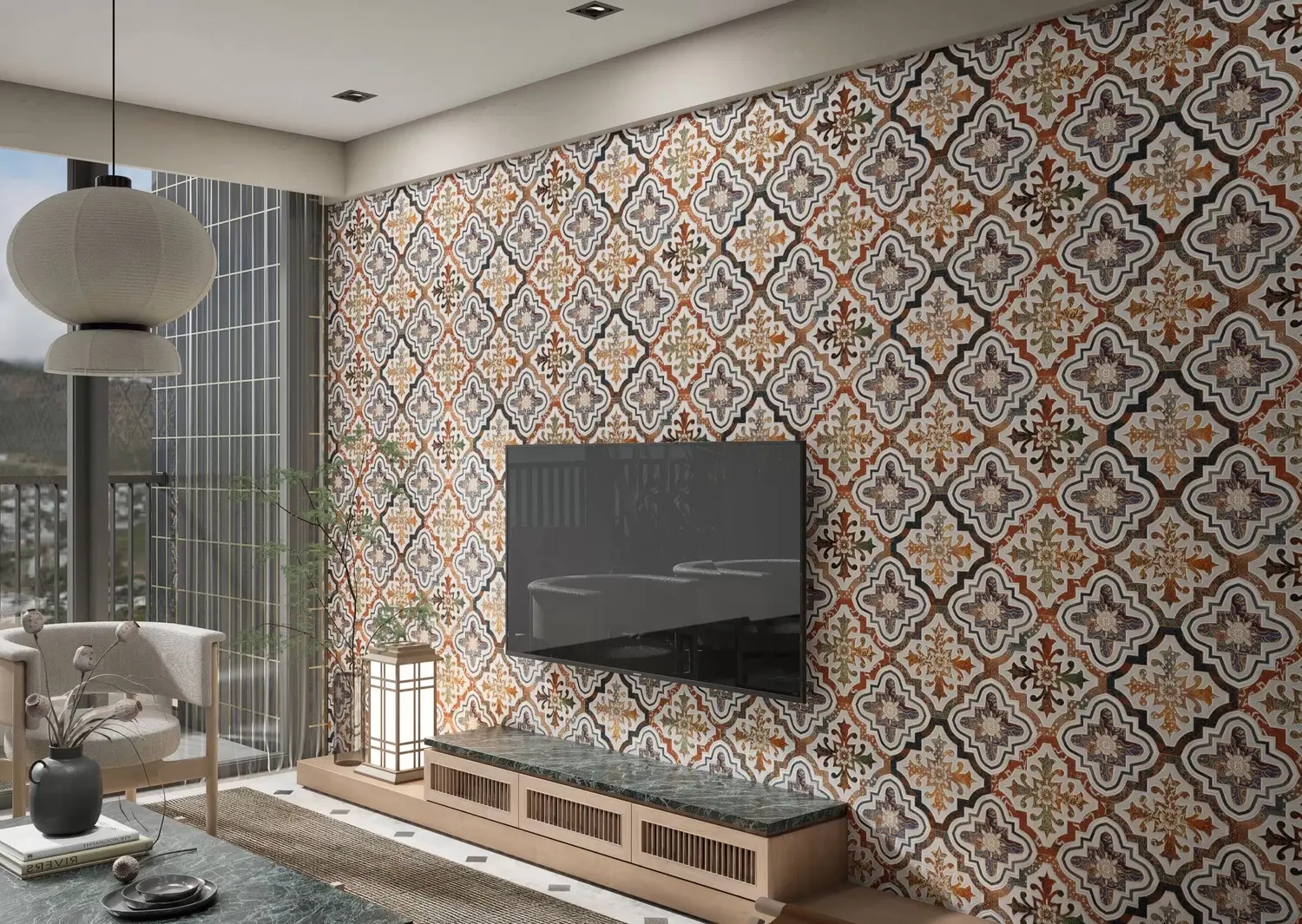

Wall tile sizes explained: 300 × 300, 300 × 450 and 300 × 600 mm
The three common wall tile sizes in India are 300 × 300, 300 × 450 and 300 × 600 mm. Here is what each box holds and covers, where each size works best, and how to work out the number of boxes.
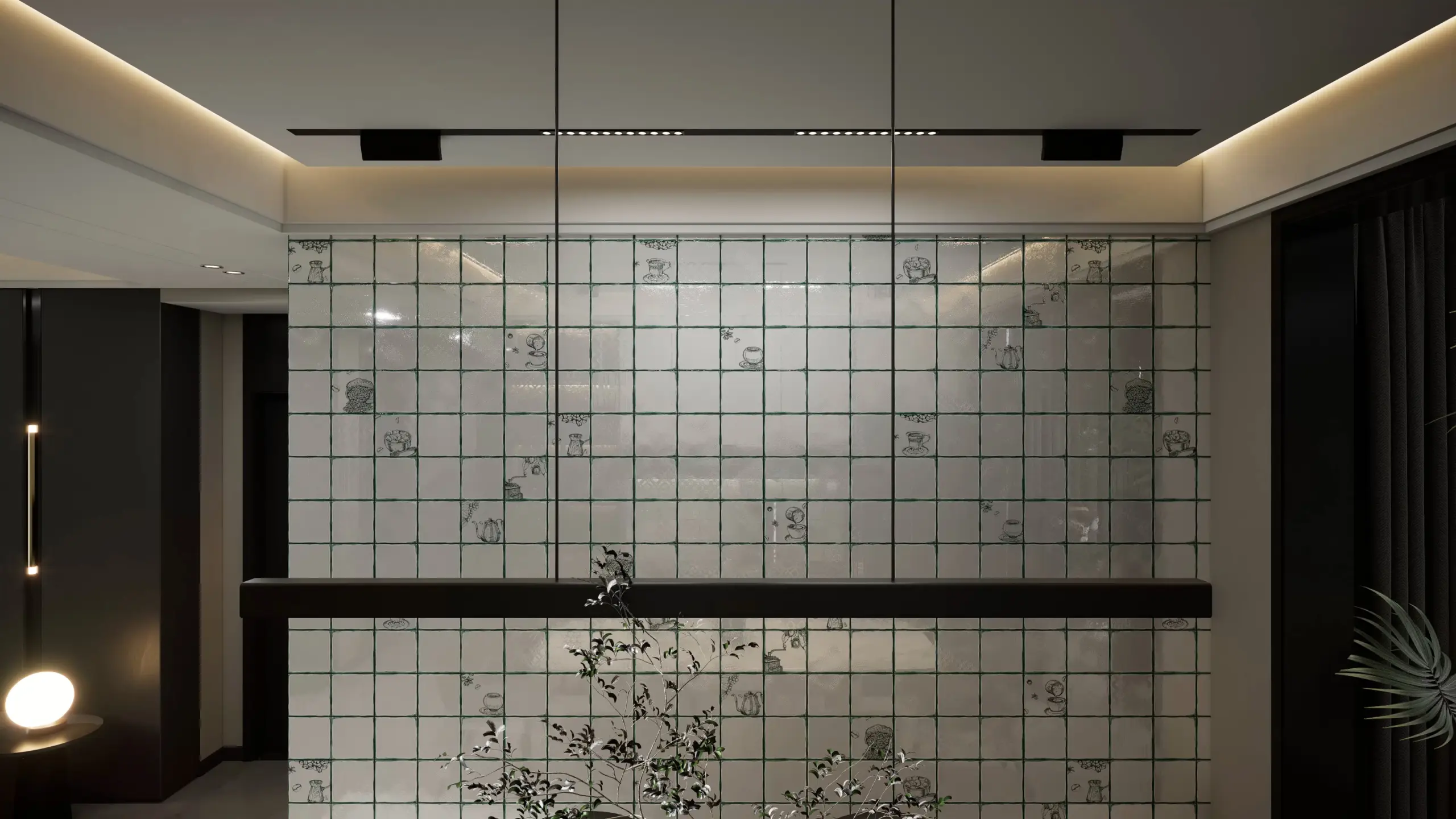
Tile sizes in India are given in millimetres or inches: a 300 × 450 mm tile is sold as 12 × 18 inch. The size decides how many joints a wall has, how much is cut, and how many boxes you buy.
The three sizes at a glance
| Size | Inches | Tiles per box | Covers per box | Box weight | Thickness |
|---|---|---|---|---|---|
| 300 × 300 mm | 12 × 12 | 7 | 7 sq ft | about 10 kg | about 9.5 mm |
| 300 × 450 mm | 12 × 18 | 5 | 7.5 sq ft | about 8.5 kg | about 7.5 mm |
| 300 × 600 mm | 12 × 24 | 4 | 8 sq ft | about 11.5 kg | about 9.5 mm |
These are the figures for Axoli boxes. Other makers' boxes can differ, so always check the box.
Where each size works
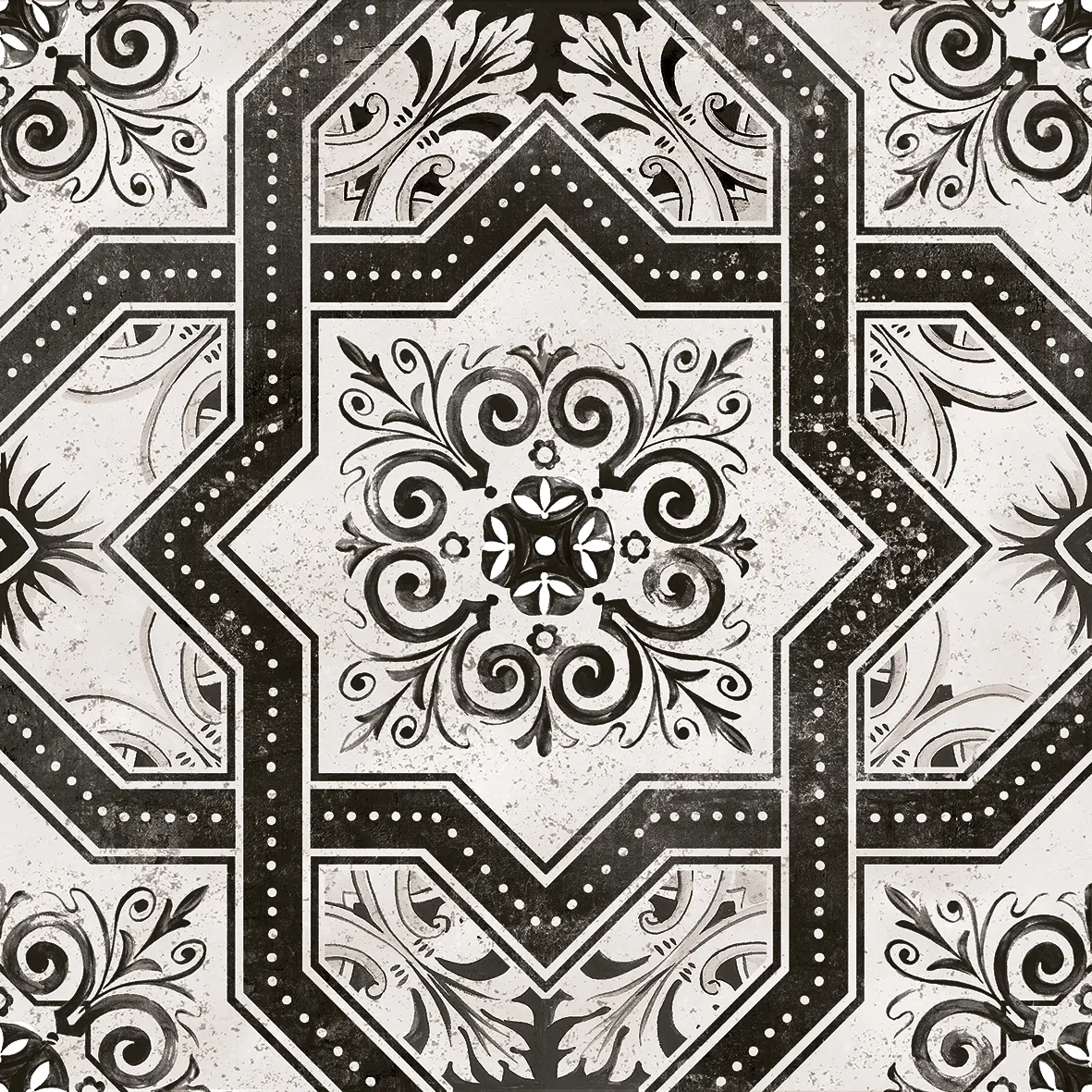
300 × 300 mm (12 × 12 inch). Pattern and Moroccan designs, mosaic looks, small walls, niches and floors. The small size keeps detailed patterns at a natural scale. See 300 × 300 mm designs.
300 × 450 mm (12 × 18 inch). The standard wall tile for kitchens and bathrooms in India. It is light, easy to fix and fits a 2 ft kitchen backsplash band with few cuts. See 300 × 450 mm designs.
300 × 600 mm (12 × 24 inch). Large walls, living rooms and elevations. Fewer joints make the wall look cleaner and leave fewer grout lines to clean. See 300 × 600 mm designs.
How many boxes you need
- Measure the wall: width × height in feet gives square feet.
- Subtract doors and windows.
- Add 10% for cuts and breakage.
- Divide by the coverage of one box and round up.
| Wall area | With 10% | 300 × 300 mm boxes | 300 × 450 mm boxes | 300 × 600 mm boxes |
|---|---|---|---|---|
| 50 sq ft | 55 sq ft | 8 | 8 | 7 |
| 100 sq ft | 110 sq ft | 16 | 15 | 14 |
| 200 sq ft | 220 sq ft | 32 | 30 | 28 |
Every product page has a calculator that works this out in square feet or square metres.
Vertical or horizontal
300 × 450 and 300 × 600 mm tiles can be laid either way. Vertical makes a low room look taller; horizontal makes a narrow wall look wider. Stone and strip designs usually look most natural laid horizontally.
Joints
Joints of about 2 to 3 mm, kept even with spacers, are common for ceramic wall tiles. Use the same spacers across the whole wall.