
The Morbi tile industry: how India's ceramic capital works, and how to buy there
Morbi in Gujarat makes most of India's ceramic tiles and nearly all of its tile exports. How the cluster grew, what its factories make, how a tile is made, and how to choose and buy from a Morbi manufacturer.
Morbi is a town in the Saurashtra region of Gujarat, on the Machchhu river, and it is the centre of India's ceramic tile industry. Most of the wall tiles, floor tiles and porcelain slabs sold in Indian cities are made within a few kilometres of it, and so are most of the tiles India sends abroad. If you sell, specify, build with or import tiles, you will deal with Morbi sooner or later.
This guide explains how the Morbi tile industry works: how big it is, how it grew, what its factories make, how a tile is made there, how export works, and how to choose a Morbi manufacturer. We are Axoli Tiles, a ceramic wall tile maker at Jasmatgadh on the Jetpar road in Morbi, and we use our own factory as the example where it helps. Figures from outside sources are linked, so you can check them.
Morbi at a glance
| Measure | Figure | Source |
|---|---|---|
| Location | Morbi district, Saurashtra, Gujarat | |
| Ceramic units | about 1,000 to 1,200 | IANS, Indian Ceramic News |
| Share of India's ceramic production | about 70% | Indian Ceramic News |
| Share of India's ceramic exports | 80 to 90% | IANS, Indian Ceramic News |
| Production capacity | nearly six million tonnes a year | IANS |
| Jobs, direct and indirect | nearly 9 lakh | IANS |
| Factories using digital printing | about 80% | Indian Ceramic News |
The figures come from IANS (January 2026) and Indian Ceramic News (August 2026). IANS also puts the cluster's exports at an estimated 15,000 crore rupees in 2024-25 and describes Morbi as the world's second-largest ceramic cluster; China's Foshan is the one usually named as the largest. Reports count units differently (some count each kiln, some each company), so you will see different totals. The point does not change: nowhere else in India makes tiles at this scale.
Where Morbi is
Morbi lies about 65 km north of Rajkot and about four hours by road from Ahmedabad. The ports most Morbi export containers leave from, Deendayal port at Kandla and Mundra port in Kutch, are a few hours' drive to the north-west. That position, between the clay and minerals of Saurashtra and Kutch and the ports on the Gulf of Kutch, is a large part of why the industry settled here.
The factories line the roads out of town rather than the old town itself. The Bureau of Energy Efficiency's study of the cluster describes it as running about 10 km along the Morbi to Dhuva highway, with units on the old National Highway 8-A, at Lalpar, on the old Ghuntu road, the Lakhdhirpur road, the Dhuva road and at Jambudiya. Other units sit along the Jetpar road, where our factory is. Driving any of these roads you pass kiln sheds, display centres, packaging plants and truck yards one after another.
How Morbi became India's tile capital
Morbi's tile industry began with clay roof tiles. According to Outlook Business, the first roofing tile unit was set up in 1926, and for decades the town was known for its roof tiles. The town itself had to be rebuilt after the Machchhu dam failed in August 1979, and the industry grew again with it.
In the 1970s and 1980s factories moved into glazed wall tiles and floor tiles, and the cluster grew quickly through the 1990s and 2000s as Indian cities built homes, offices and malls. Families who had run one unit started a second and a third; suppliers of glaze, machinery, moulds and boxes set up next door; and workers who learned on one kiln moved to the next. A buyer could find almost any tile within a short drive, which drew more buyers, which drew more factories.
Two changes in the last fifteen years shaped the industry you see today:
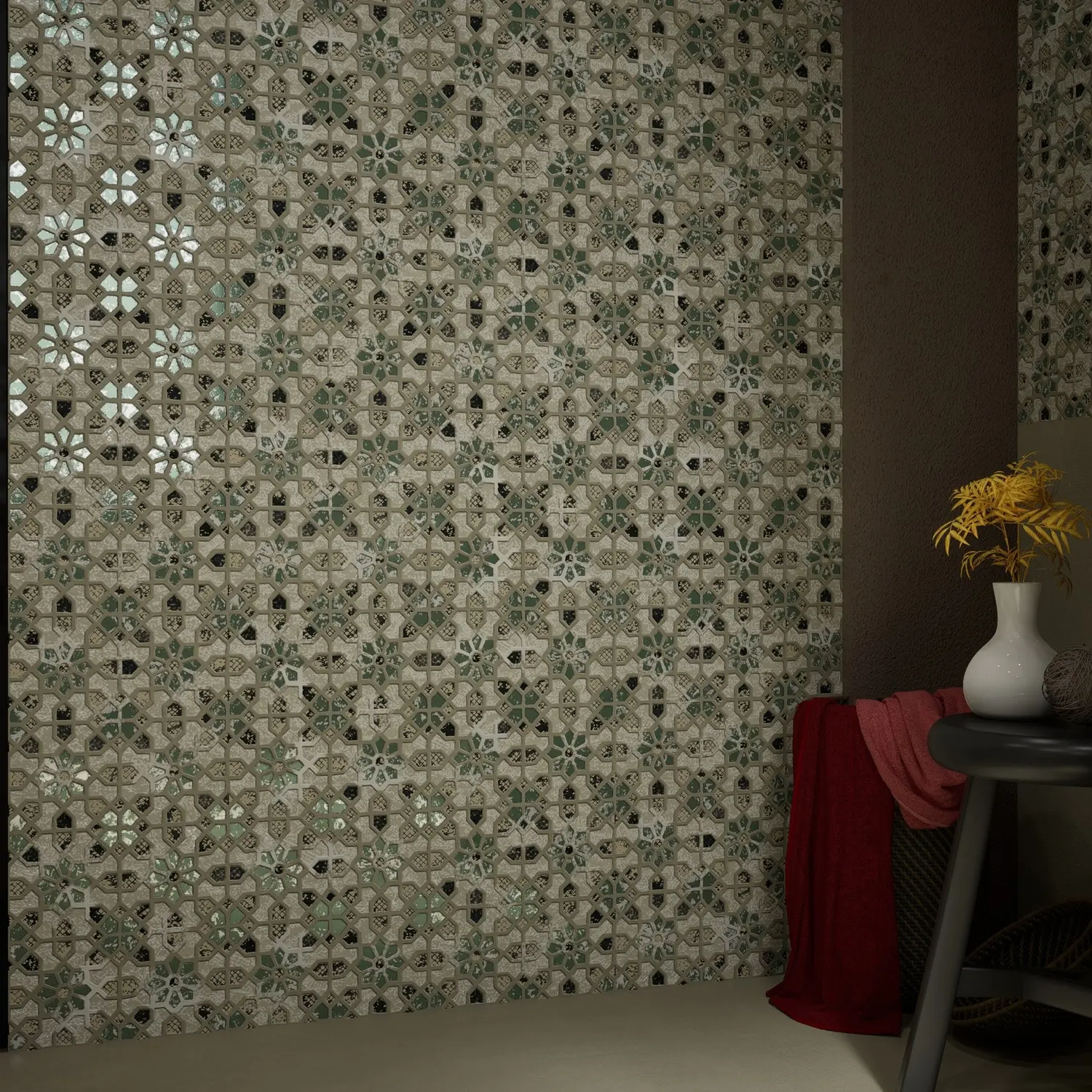
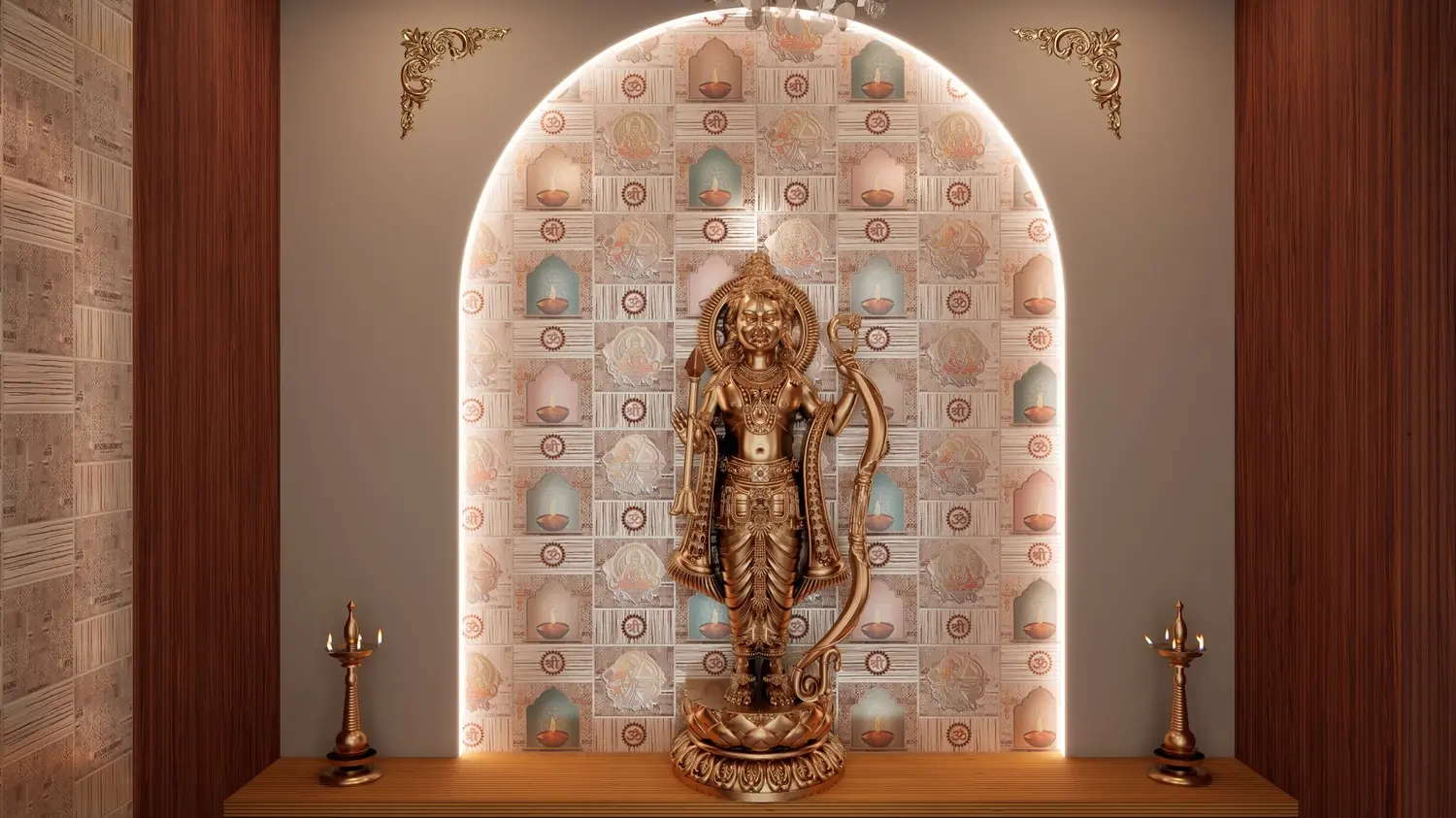
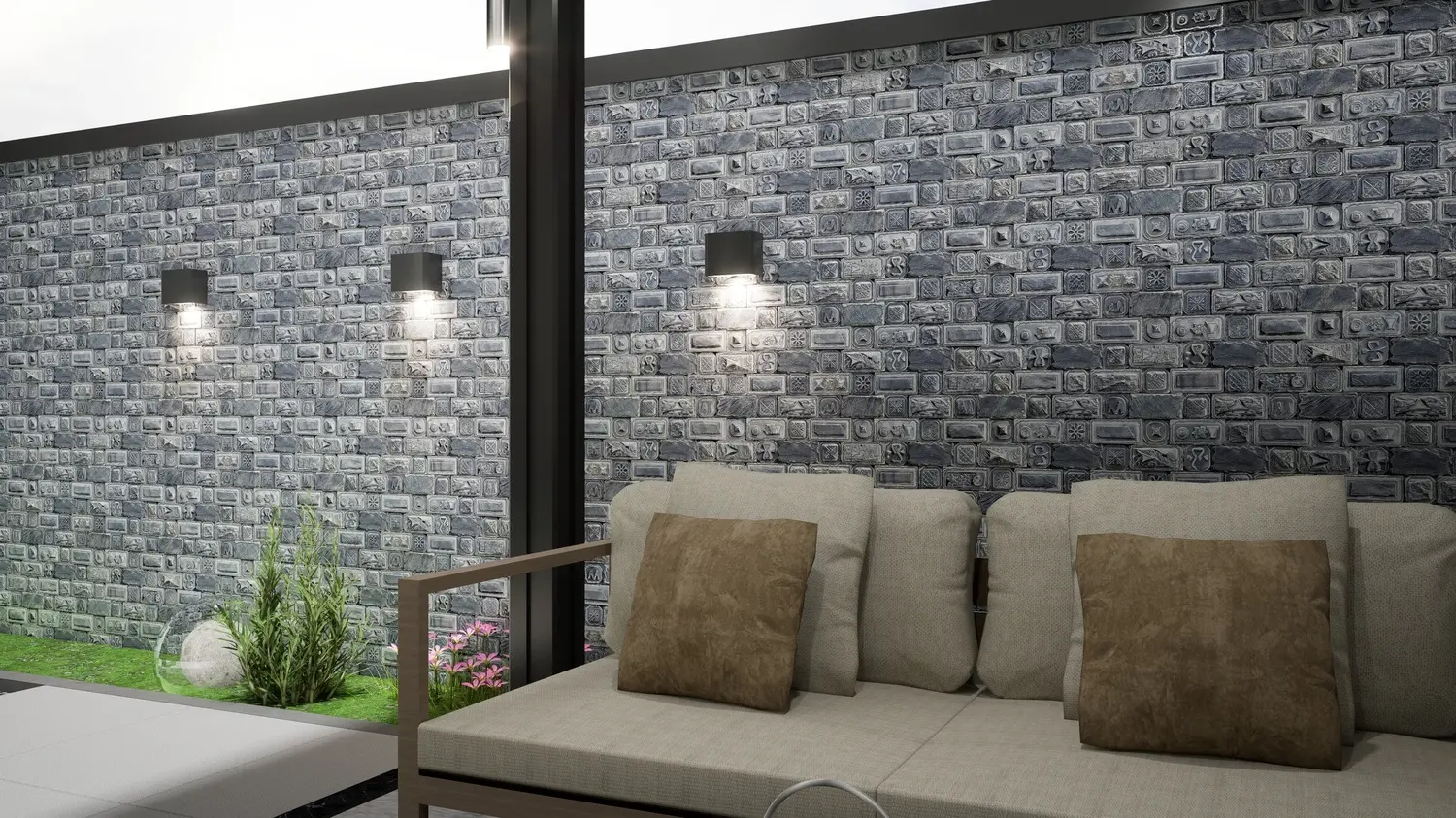
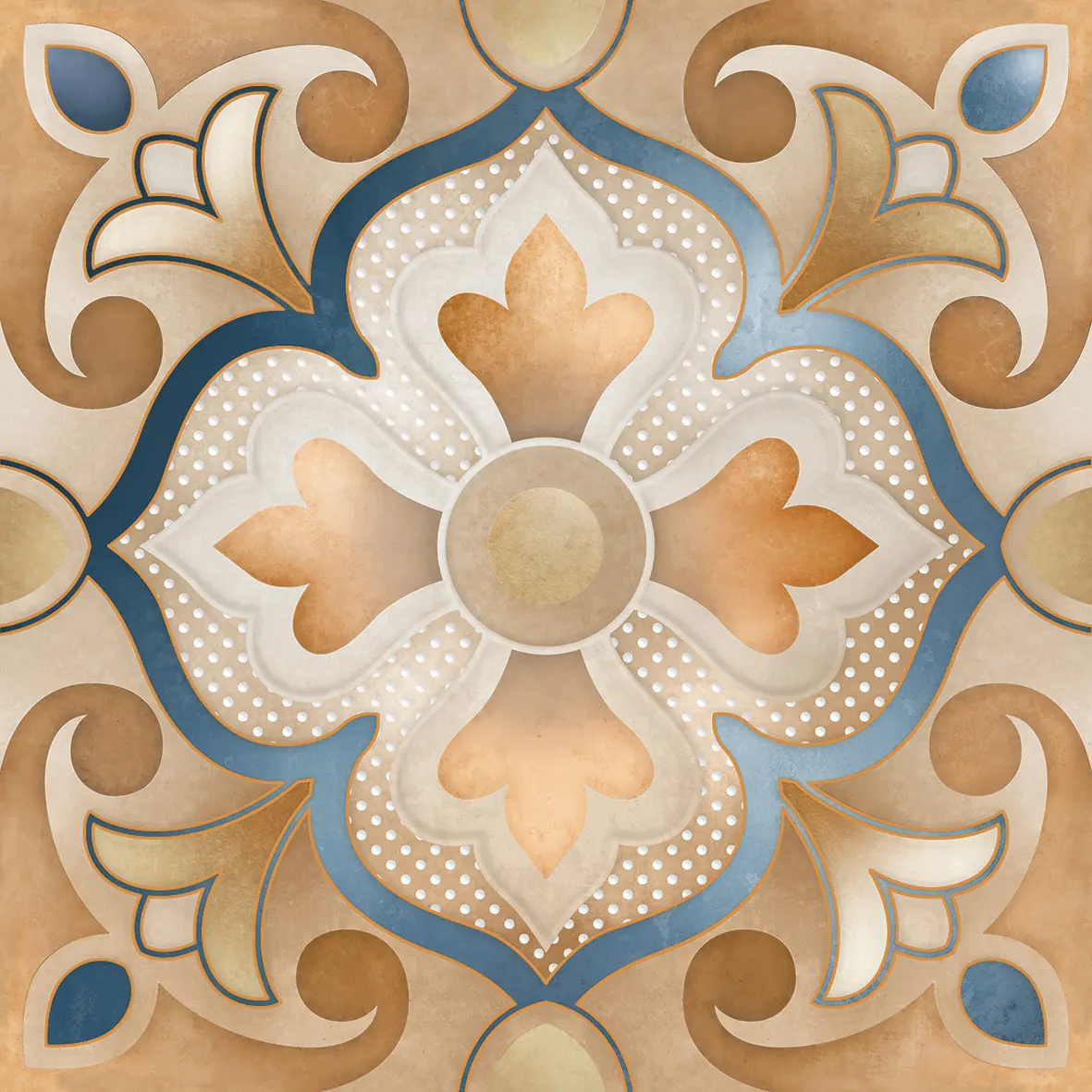
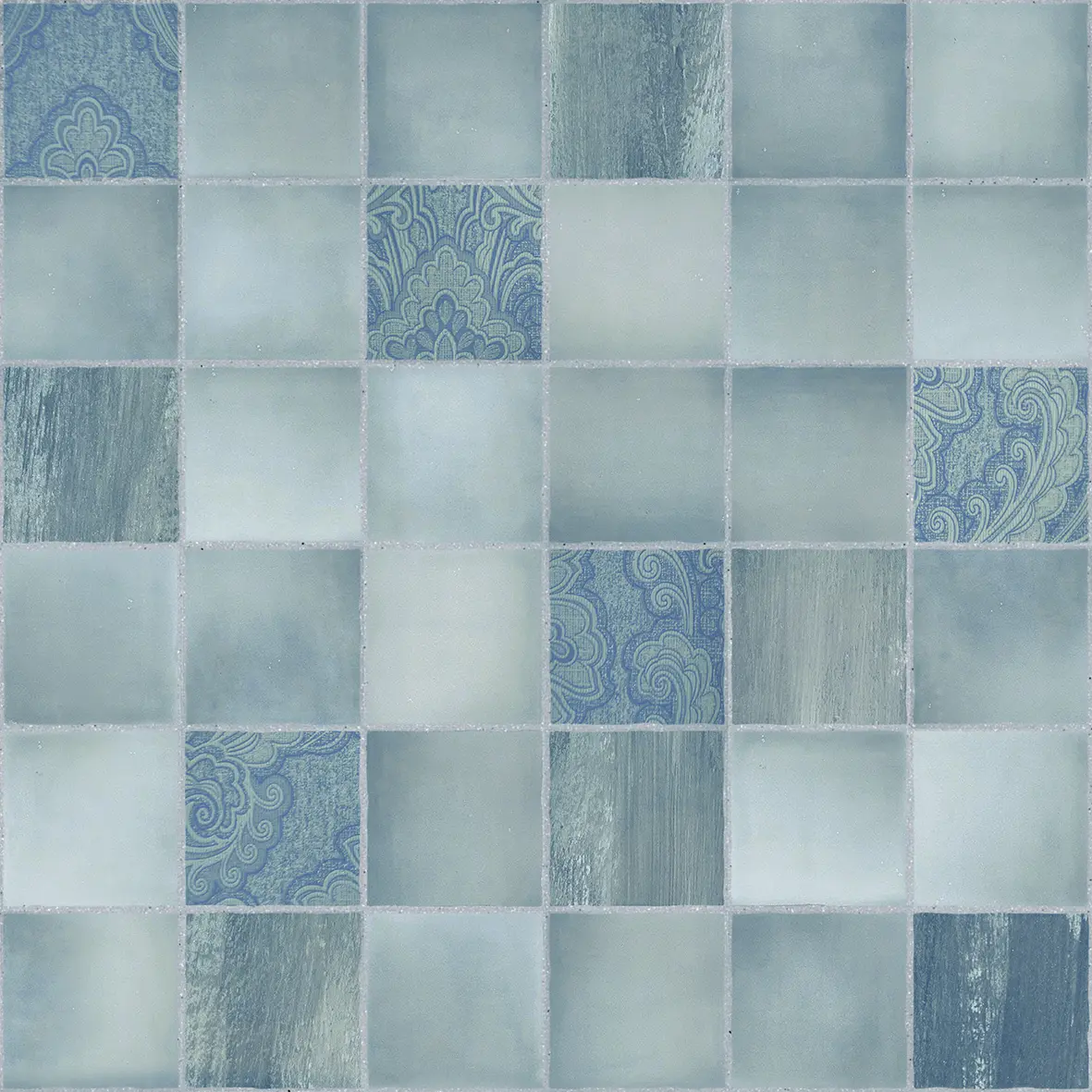
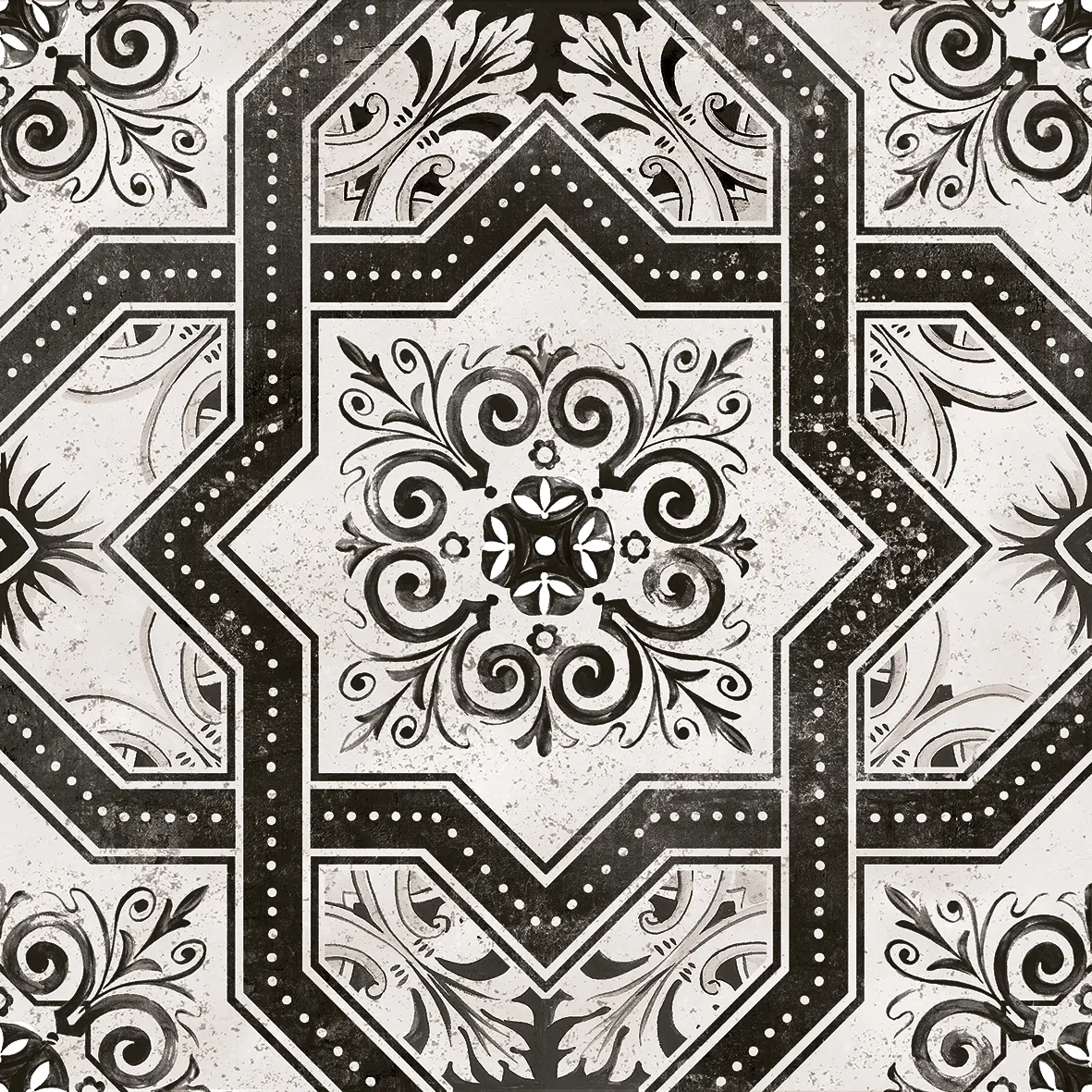
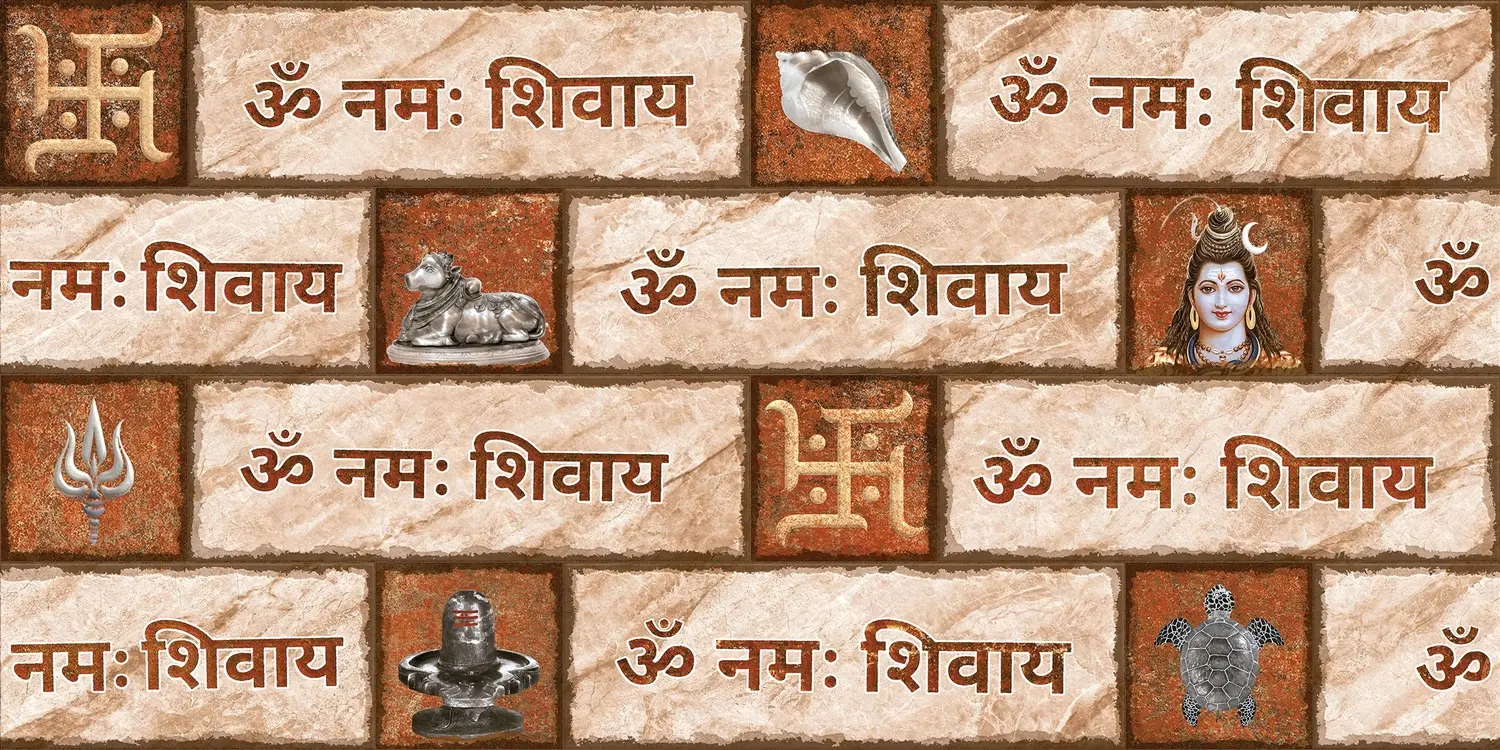
- Digital printing. Inkjet printers reached Morbi in the early 2010s. A digital printer lays the design onto the glaze from a high-resolution image file, so a factory can make marble, stone, wood, Moroccan, botanical and devotional designs without screens or rollers, and change designs in hours. It is why Morbi can offer thousands of designs and why tile walls now look like stone, brick or patterned cement.
- Clean fuel. Kilns need steady heat. Many units used coal gasifiers until 2019, when the National Green Tribunal ordered them shut over air pollution, and the cluster moved to piped natural gas. Gas is now one of a factory's largest costs. Indian Ceramic News reported a gas crisis in 2026 alongside a sharp fall in exports, so fuel supply remains the industry's biggest pressure.
What Morbi factories make
Most Morbi factories specialise. A buyer who walks into a wall tile plant and asks for large floor slabs will be sent down the road. The main product families are:
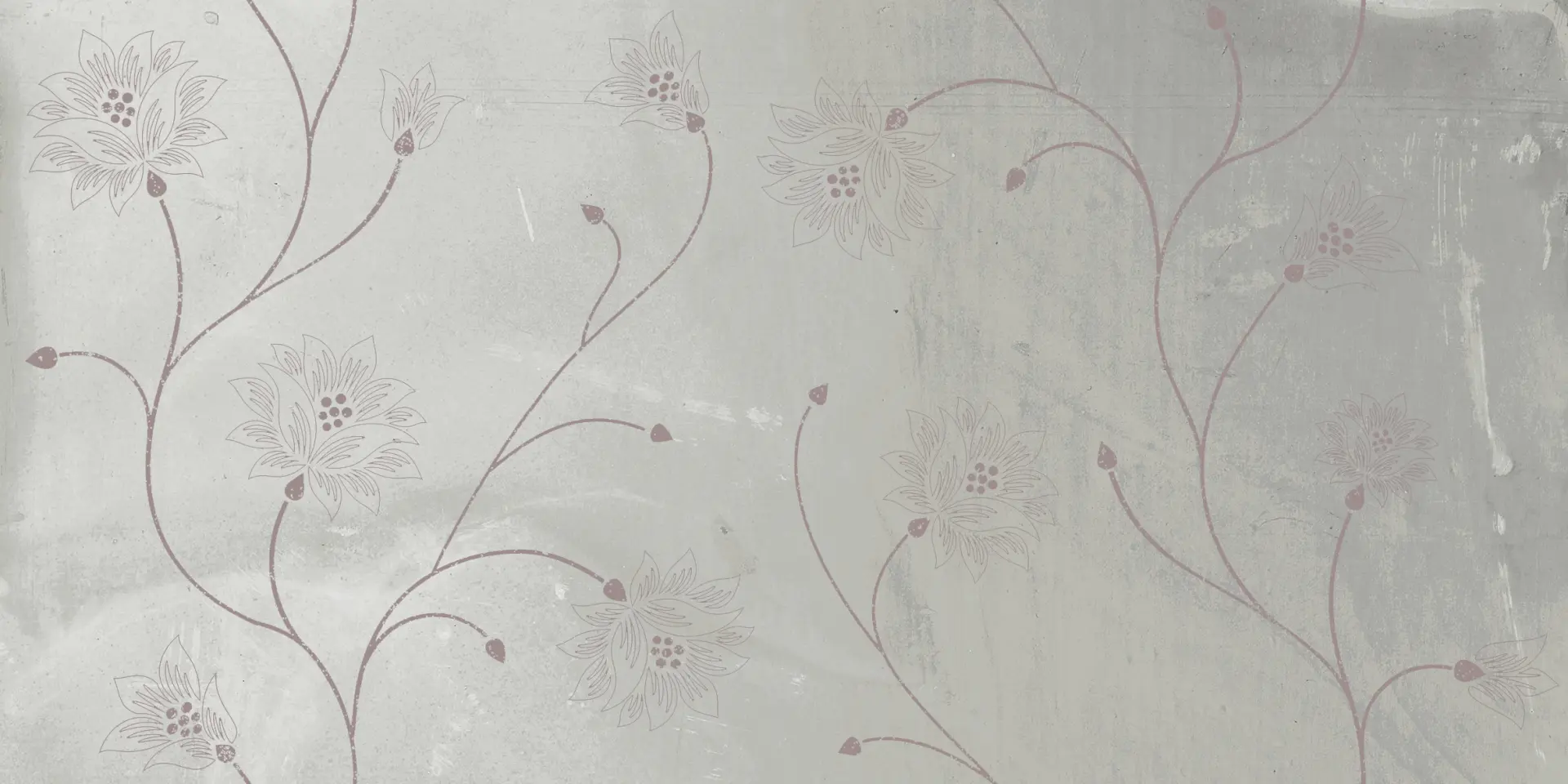
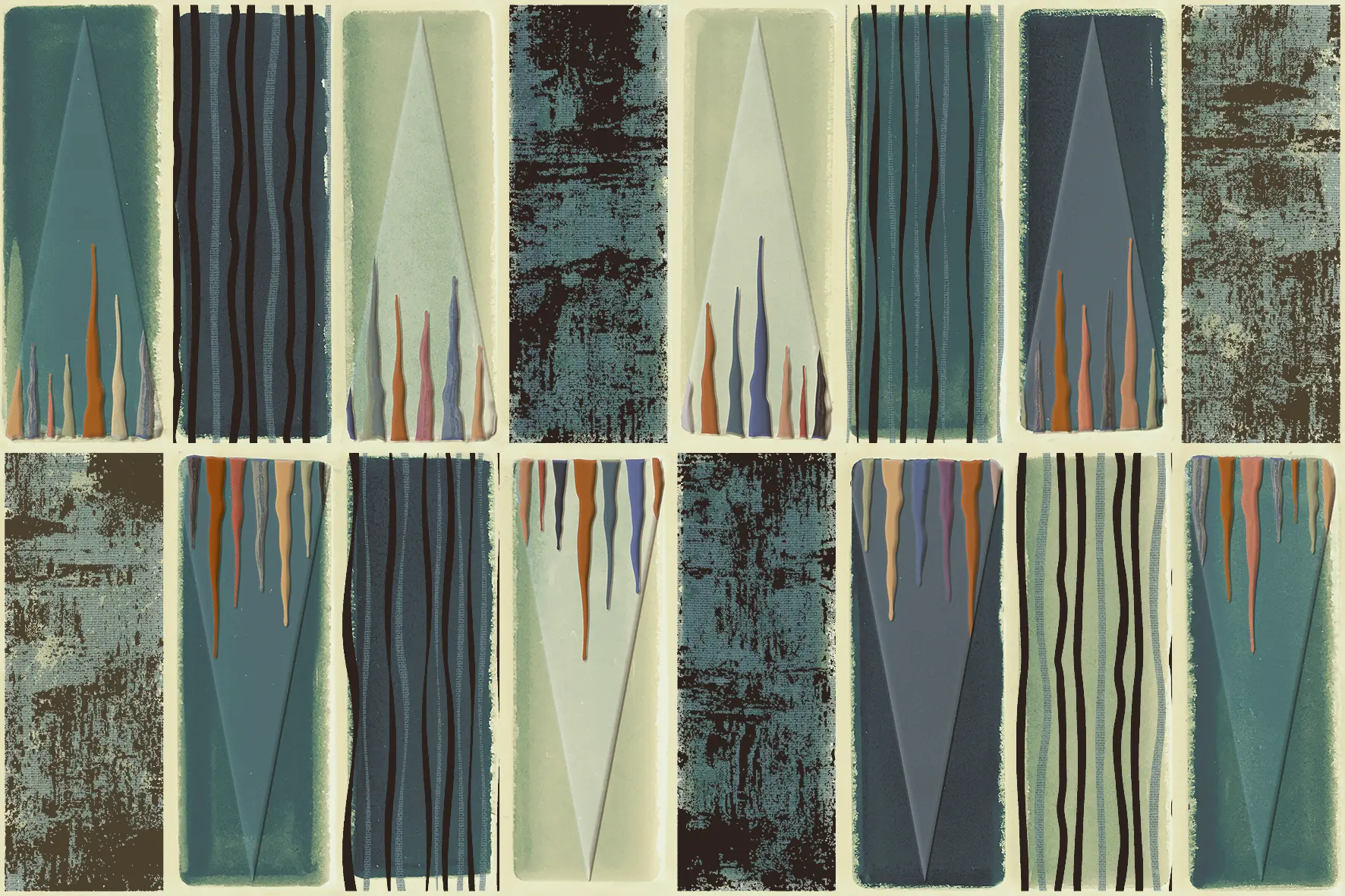
- Ceramic wall tiles. Glazed, digitally printed tiles in 300 × 450 mm (12 × 18 inch) and 300 × 600 mm (12 × 24 inch), with older sizes such as 250 × 375 mm still made. They come in glossy, matt and rustic finishes, as plain designs and as sets of a base tile with matching decor tiles for bathrooms, kitchens and feature walls. This is what we make.
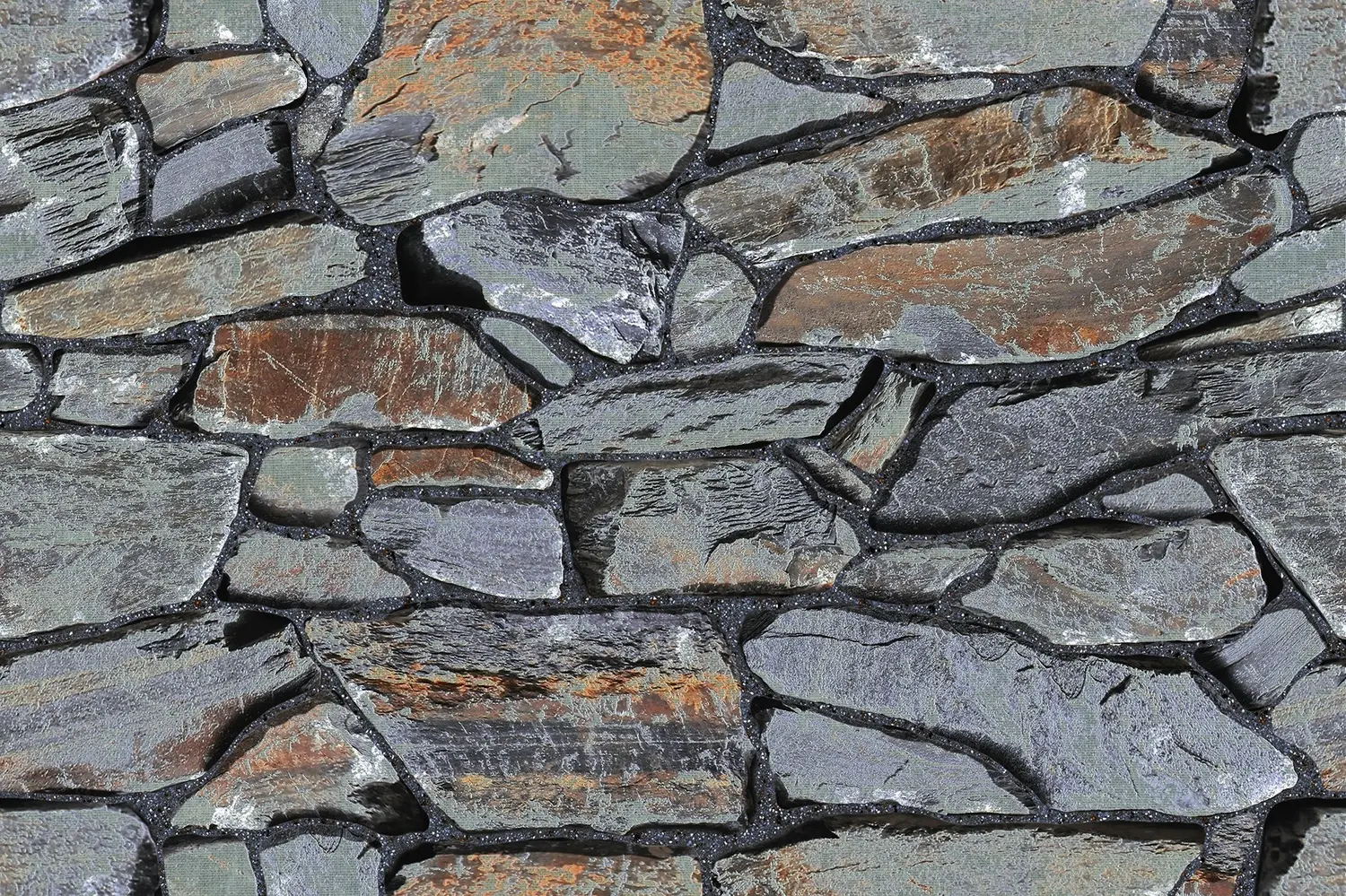
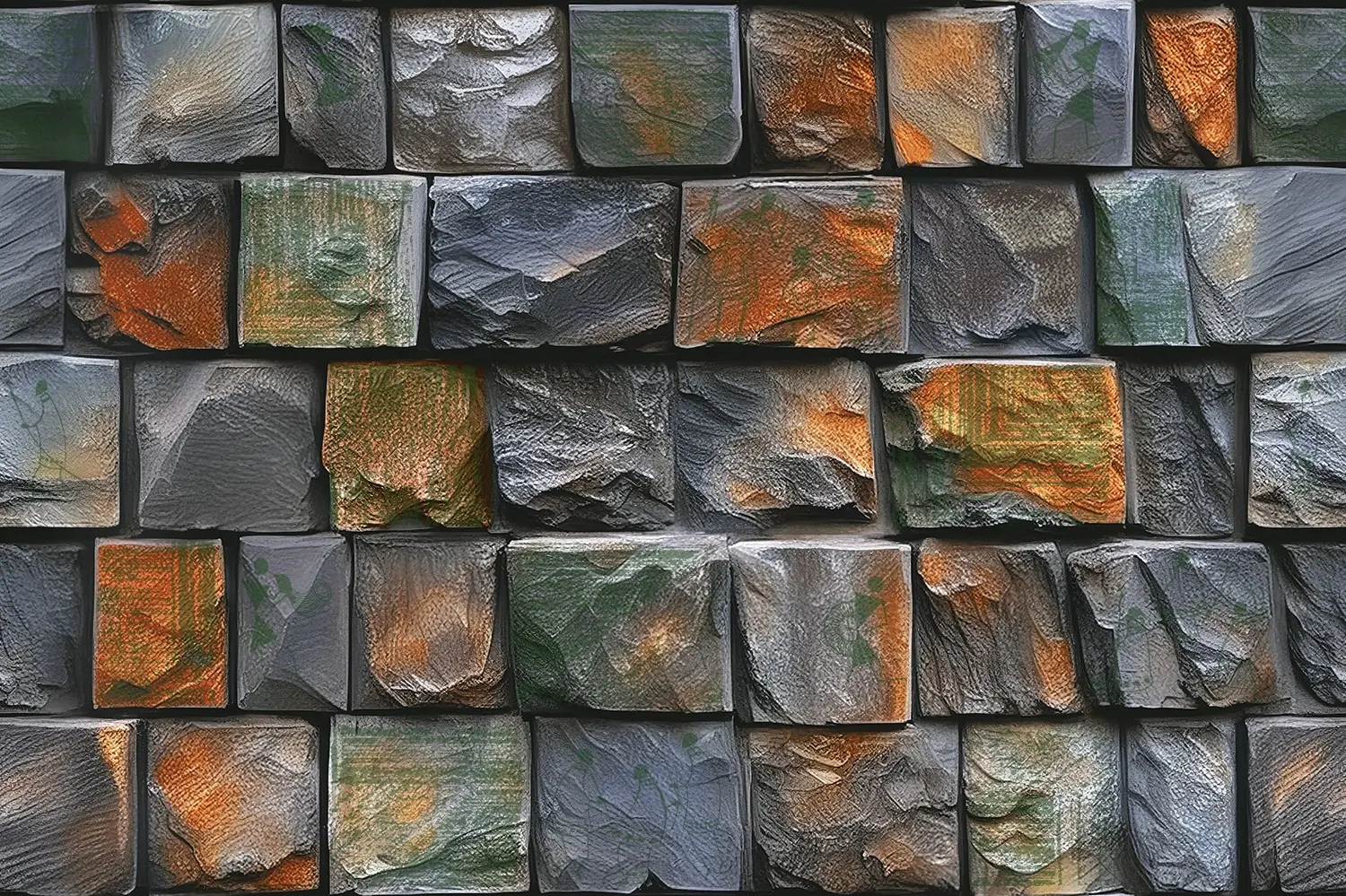
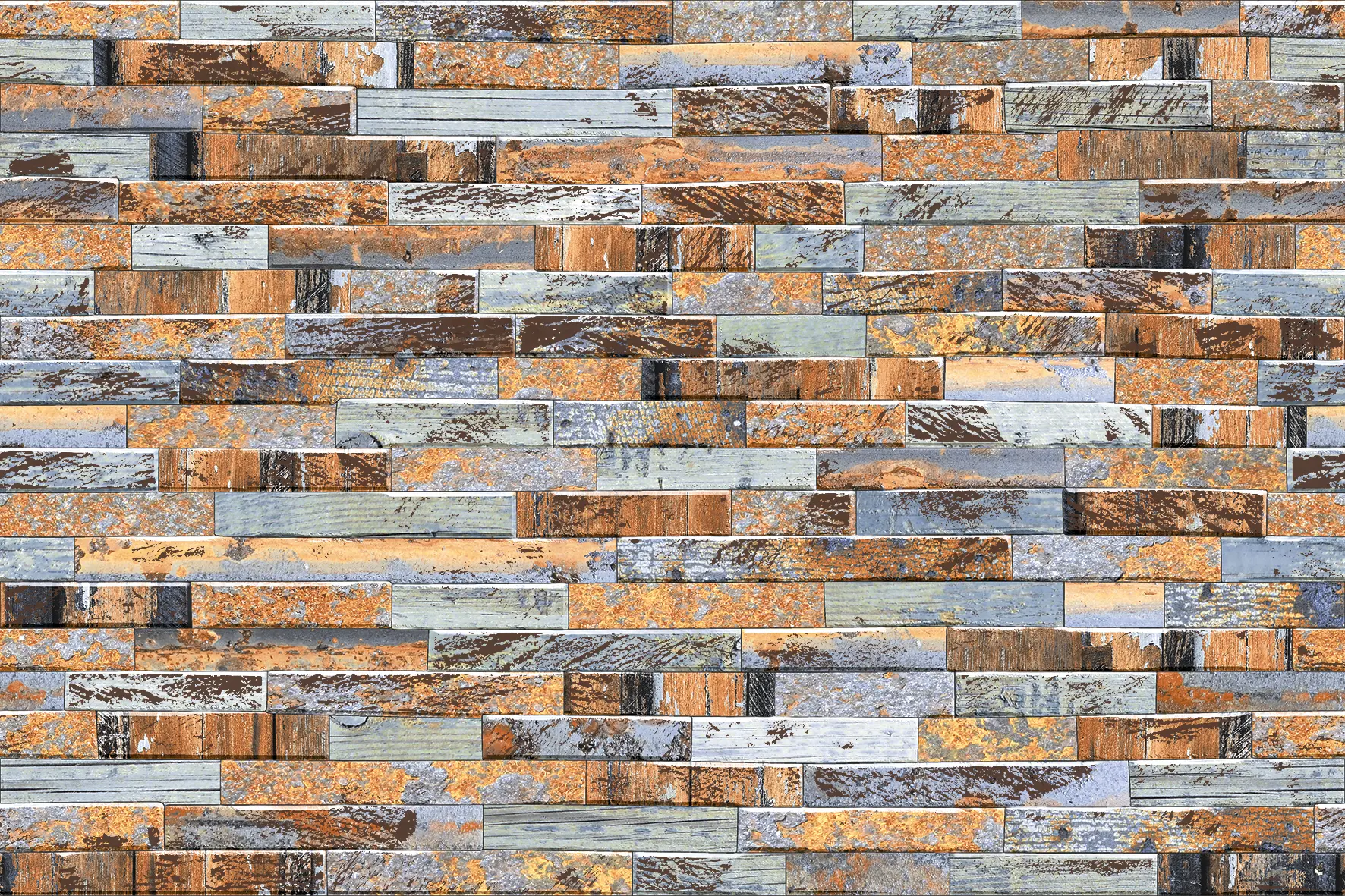
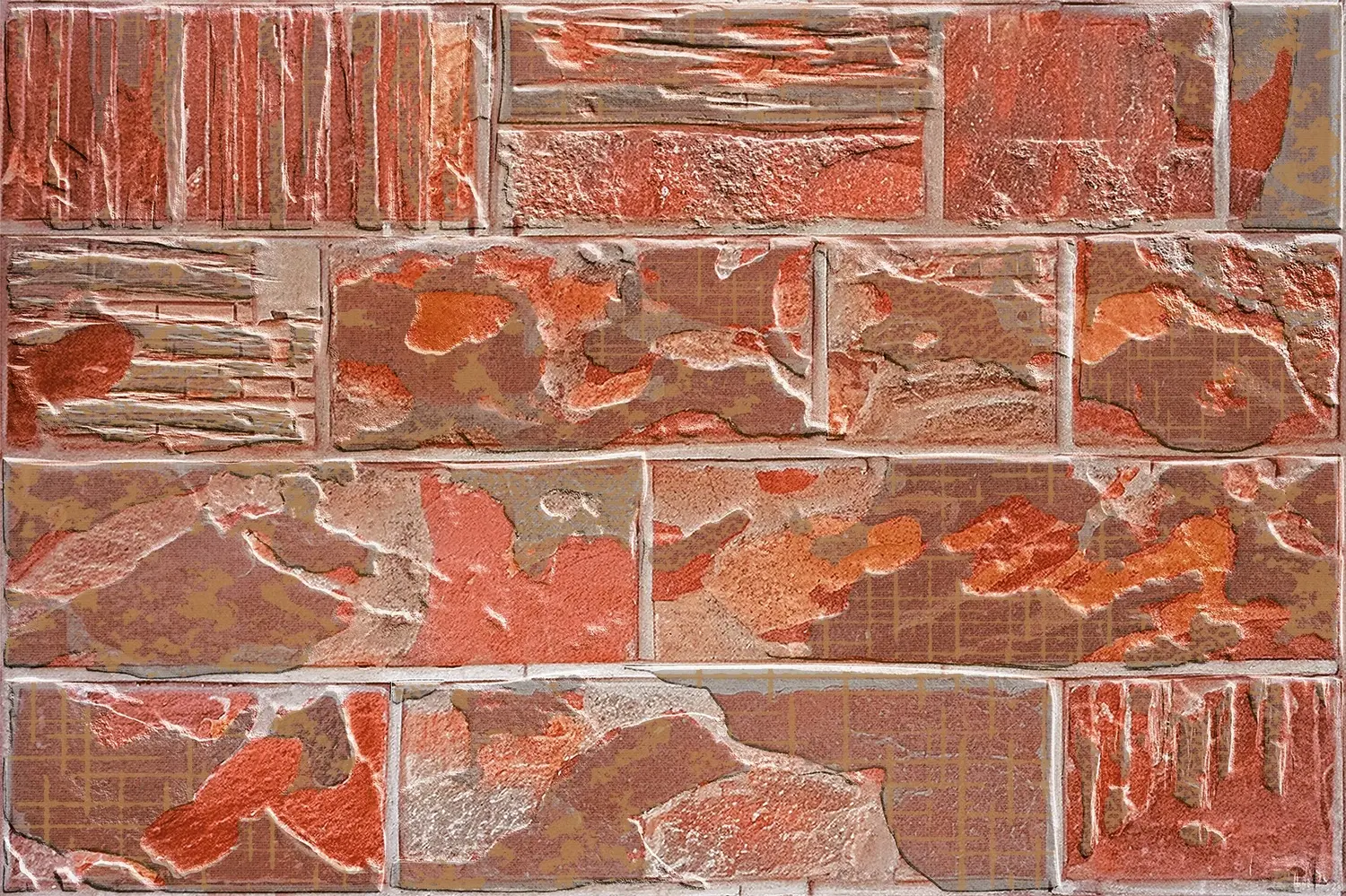
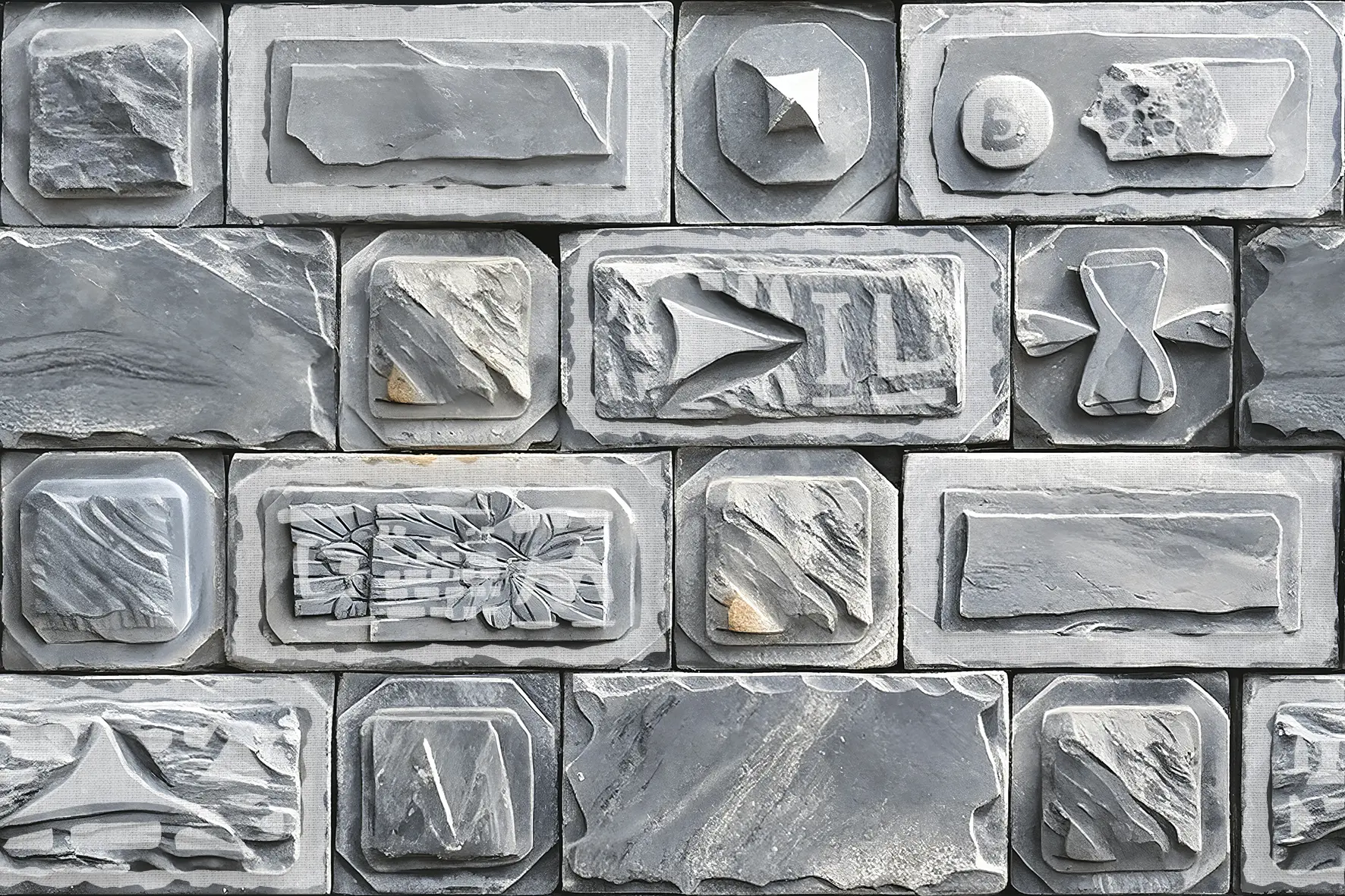
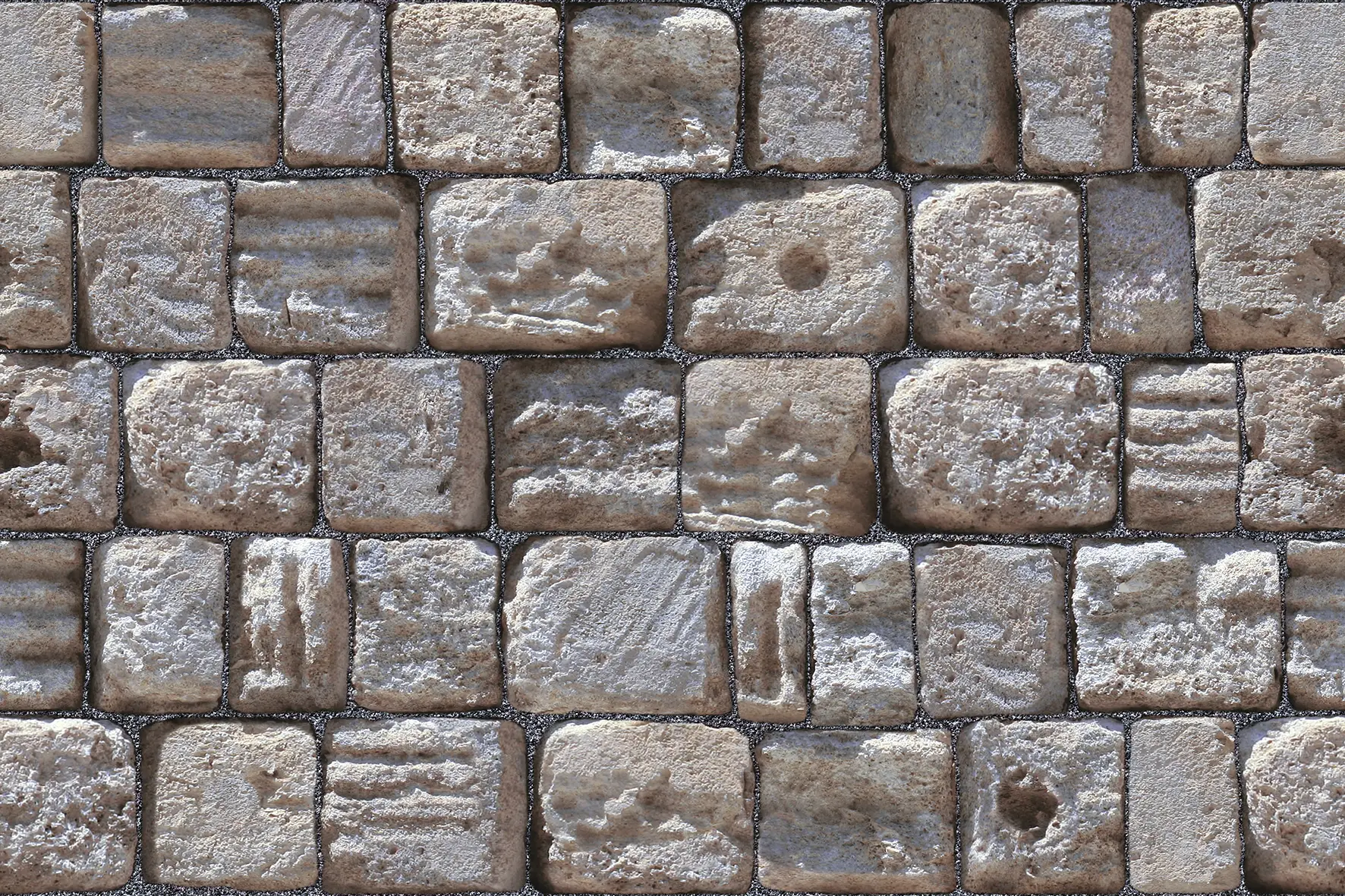
- Elevation and cladding tiles. Wall tiles printed with stone, slate, brick and sandstone looks, for house fronts, boundary walls and terraces.
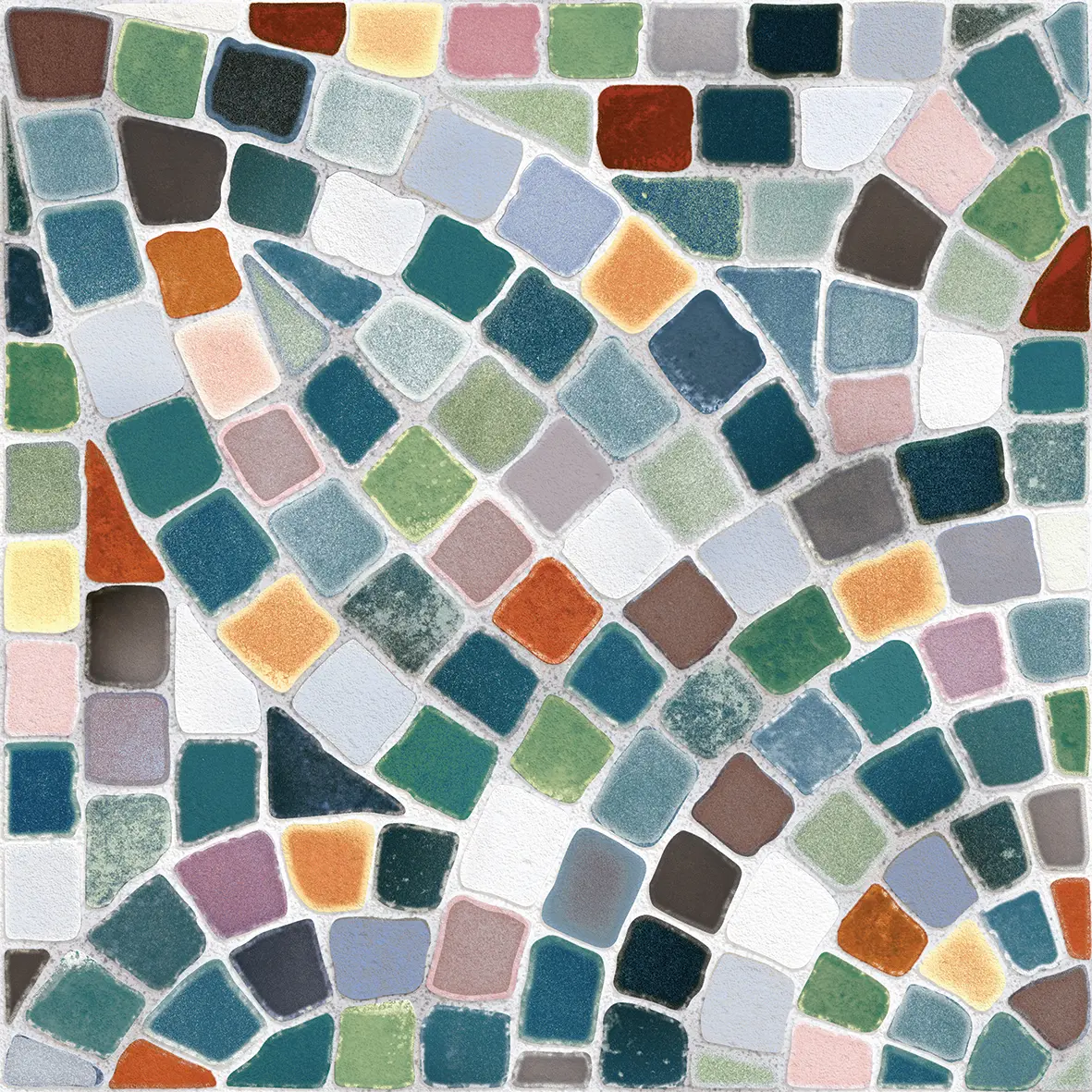
- Ceramic floor tiles. Smaller floor sizes such as 300 × 300 mm and 400 × 400 mm, often for bathrooms, balconies and terraces.
- Porcelain floor tiles and slabs. 600 × 600 mm, 600 × 1200 mm and large slabs of 800 × 1600 mm and more, polished, glazed or matt, for floors, counters and walls.
- Parking and outdoor tiles. Thick, textured tiles for driveways, car parks and garden paths.
- Roof tiles and sanitaryware. The roof tiles that started it all are still made, and a number of units make washbasins and toilets.
Morbi is also known beyond tiles. A 2026 IANS report counts 150 to 200 wall clock units in the town, and Morbi is often said to make about three in four of India's wall clocks.
How a ceramic wall tile is made
Every Morbi wall tile goes through the same basic steps, whether it is a plain white tile or a printed Moroccan pattern. Knowing them helps you understand what you are paying for and what can go wrong.
- Body mix. Clay, feldspar and quartz are weighed to a recipe. The mix decides how strong the tile is, how much water it absorbs and how much it shrinks in the kiln.
- Grinding. The mix is ground with water in ball mills into a smooth liquid called slip.
- Spray drying. The slip is sprayed into a hot tower and falls as fine granules with a set moisture, ready to press.
- Pressing. A hydraulic press squeezes the granules into the tile shape under heavy pressure. This sets the tile's size and thickness.
- Drying. The pressed tile passes through a dryer so it is strong enough to glaze.
- Glazing. On the glaze line the tile gets a base coat (engobe) and the glaze that will become its surface.
- Digital printing. An inkjet printer prints the design. Good factories print several different faces of one design, so a wall does not repeat the same tile over and over.
- Firing. The tile travels through a long roller kiln and is fired at well over 1,100 °C. The glaze melts into a hard, sealed surface and the body hardens.
- Sorting. Each tile is checked for size, flatness, shade and surface marks, and graded.
- Packing. Tiles of one grade, shade and size are boxed together, and the box is marked so the buyer can keep them together.
Ceramic wall tiles have a slightly porous body: they absorb more than 10% of their weight in water. That is normal for a wall tile and helps the adhesive grip. The glaze on the face is sealed, so the surface does not absorb water or stains. Porcelain tiles are pressed from finer material and fired harder, until they absorb almost no water (0.5% or less), which is why porcelain is chosen for heavy floors. The Indian standard for pressed ceramic tiles is IS 15622, and the international one is ISO 13006.
Reading a Morbi tile box: grades, shades and calibre
Three markings on a Morbi box matter more than the brand on the front.
- Grade. Factories sort tiles after firing. The top grade (often called premium, export or AAA) has no visible marks. Lower grades (standard, commercial or economy) have small surface marks or slight shade or size variation. Lower grades are fine for some jobs, such as a store room or a wall that will be mostly covered, but a feature wall needs the top grade. Ask which grade a quotation is for.
- Shade or batch. Glaze and ink vary slightly from one firing to the next, so every batch is given a shade code. Two boxes of the same design from different batches can look different on the wall. Buy the full quantity for a room from one batch, plus spares.
- Calibre. Tiles also vary by a fraction of a millimetre in size between batches. The calibre code keeps tiles of the same size together, so the joints stay even.
Our boxes are laminated, rain-proof 5-ply boxes, and every size has a fixed count and coverage:
| Size | Tiles per box | Covers | Box weight | Thickness |
|---|---|---|---|---|
| 300 × 300 mm (12 × 12 inch) | 7 | 7 sq ft | about 10 kg | 9.5 mm |
| 300 × 450 mm (12 × 18 inch) | 5 | 7.5 sq ft | about 8.5 kg | 7.5 mm |
| 300 × 600 mm (12 × 24 inch) | 4 | 8 sq ft | about 11.5 kg | 9.5 mm |

How to choose a Morbi tile company
People often search for the best tile company in Morbi. With more than a thousand units there is no single answer: the best factory for a dealer in Kerala who sells bathroom wall tiles is not the best one for an importer in Texas who needs porcelain slabs. These checks narrow it down.
- Does it make what you sell? Ask what the factory itself makes and what it buys in from others. A wall tile plant should show you wall tiles from its own kiln.
- Hold the samples. Look at the tiles in daylight, at an angle and from a few metres away. Check the print is sharp, the edges straight and the glaze even. Lay four tiles together to see how the pattern joins.
- Ask about faces. A design printed with several faces looks natural across a wall. One face repeated looks like wallpaper.
- Check the box. Strong, labelled boxes with the grade, shade and calibre printed on them protect your margin and your customer's wall.
- Ask how they keep supply steady. A dealer needs the same design again in six months. Ask how long a design stays in production and how repeat orders are matched.
- See how they answer. A factory that replies clearly before you order usually does so after.
- Visit if you can. A day in Morbi shows you more than a month of messages.
Our 8 checks before you buy premium wall tiles go deeper into judging the tile itself.
How buying from Morbi works
Most buyers follow the same path, whether they are a tile shop in Pune or an importer in Nairobi.
- Enquiry. Tell the factory your city or country, the type of tile, sizes and designs, and the quantity.
- Catalogue and samples. The factory shares its catalogue and sends samples. We have samples of every design.
- Quotation. You get prices, the grade, availability and the delivery terms for your quantities.
- Order. Designs, sizes, quantities and the dispatch date are confirmed.
- Dispatch. Within India, tiles travel by truck: a full truck for larger orders, or through a transport company for part loads. For export, tiles are packed into containers and sent through Mundra or Kandla.
For dealers, it helps to plan orders around full truck loads and to keep two or three fast-moving designs in steady stock. For builders, share your areas early so the factory can check one batch covers the whole project. Our guide to buying tiles from a Morbi manufacturer walks through our own process.
Morbi for export buyers
Morbi supplies most of India's tile exports. IANS names the United States, France, Germany, Oman and Sri Lanka among its markets, and Gulf, African and South Asian buyers are regular visitors. Our own buyers include importers and project buyers in the UAE, Oman, Kenya, South Africa and Sri Lanka, and we supply any country.
- Containers fill by weight. Tiles are heavy, so a container usually reaches its weight limit before it is full. Ask how many boxes of your sizes fit, and mix sizes to use the space well.
- Packing. Ask whether boxes are palletised or loaded loose, and how the load is secured. Rain-proof boxes matter when a container waits at a port.
- Documents. The factory provides the commercial invoice and packing list, and arranges the certificate of origin and shipping documents. Your clearing agent will tell you what your country requires.
- Samples first. Order samples before the first container, check them against your market's taste, and confirm the shade of the batch you will receive.
Our export page lists the countries we serve, with notes on each market.
Visiting Morbi
Most visitors fly or take a train to Rajkot and drive about an hour and a half north to Morbi; from Ahmedabad it is about four hours by road. Plan a full day if you want to see several factories. Tell each factory you are coming, carry a list of the sizes and designs you need, and take photographs of samples in daylight outside the showroom, because showroom lighting flatters every tile. The old town has its own landmarks, such as the Mani Mandir palace, if you have an hour to spare.

Axoli Tiles in Morbi
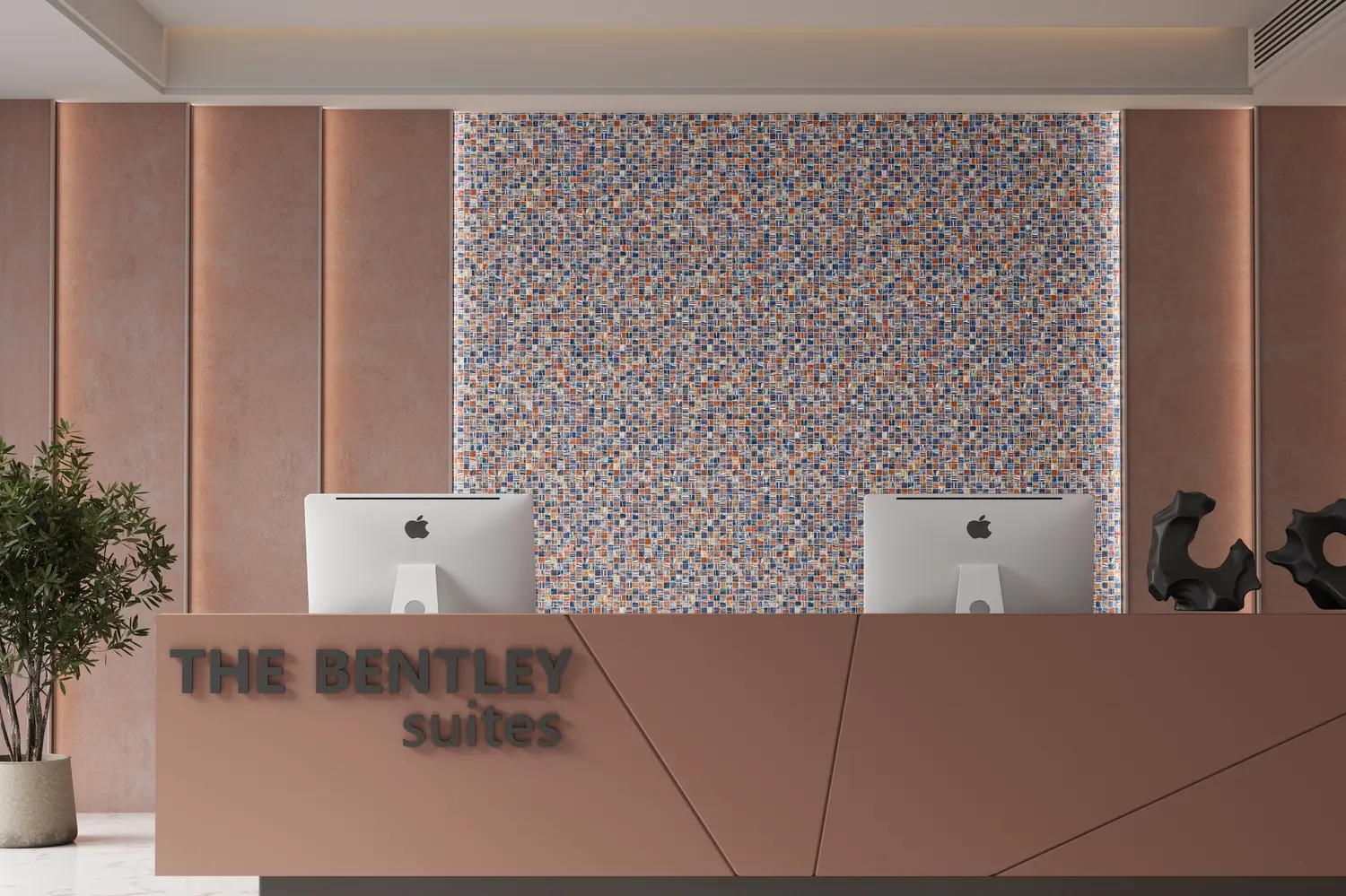
We make ceramic digital wall tiles at our factory at Jasmatgadh, on the Jetpar road in Morbi: 51 designs in 300 × 300, 300 × 450 and 300 × 600 mm, in matt, glossy and rustic finishes. Many come as sets of a plain base tile with decor tiles, so a room can carry as much or as little pattern as you like. Our collections cover designer feature walls, pooja rooms, elevations and stone cladding, kitchens, Moroccan patterns, pool areas and patterned floors.


We supply dealers, builders, architects and interior designers across India, from Gujarat and Rajkot to Mumbai, Delhi NCR and Bengaluru, and importers abroad. If you are planning a visit, see our factory in Morbi; for samples, contact us and we will reply within one working day.