
How to start a tile dealership or showroom in India: a practical guide
A practical guide for anyone starting or growing a tile business in India: choosing a business model and location, designing a showroom, choosing factories, registrations, planning stock and godowns, managing shade batches, and finding customers.
Tiles are one of the steadiest building material businesses in India. Every new home, office, hotel and shop needs them, and every renovation replaces them. Many successful tile dealers started as hardware or sanitaryware shops that added a few boxes of wall tiles, and grew into showrooms, distributors and project suppliers.
This guide is for anyone starting a tile dealership or showroom, or growing one: the business models, location, showroom design, choosing factories, registrations, stock and godowns, shade batches and finding customers. We are a ceramic wall tile maker in Morbi and we supply dealers across India, so we have seen what separates the dealers who grow from the ones who struggle. We do not quote margins or investment figures here: they vary too much by city, segment and scale. Speak to a chartered accountant for your own numbers.
Choose your business model
| Model | What you do | Customers | Needs |
|---|---|---|---|
| Retail showroom | Display, advise and sell from stock or on order | Homeowners, contractors, small builders | A visible showroom, display, a small godown, delivery |
| Distributor or stockist | Buy in bulk from factories, sell to smaller dealers and contractors | Dealers, sub-dealers, contractors | A large godown, trucks, credit control |
| Project supplier | Supply builders, hotels, hospitals and offices | Builders, architects, contractors | Technical knowledge, samples, quotations, delivery schedules |
| Designer showroom | A curated range of premium and designer tiles | Architects, interior designers, premium homes | A beautiful showroom, room displays, design advice |
| Sub-dealer | Sell a larger dealer's stock locally | Homeowners and masons in a smaller town | Little stock, strong local relationships |
Most dealers combine two of these, for example a retail showroom that also supplies local builders. Start with the model that fits your capital, your space and the relationships you already have.
Know your market
Before you choose factories or furniture, spend a few weeks learning the local market:
- Who builds here? Independent houses, apartments, commercial buildings, government projects? Each buys differently.
- What sells here? Coastal cities, hill towns and the hot plains choose different colours, finishes and sizes. Southern and western states often favour bright, colourful designs; many northern buyers prefer stone, marble and beige looks. Ask masons and contractors what customers ask for.
- Who are the other dealers? Visit them as a customer. Note their ranges, their weak points and the gaps nobody fills: designer wall tiles, pooja room tiles, elevation tiles, quick delivery or good advice.
- Where is the city growing? New residential areas need tiles for years.
Our pages on tiles in Indian states and cities describe local building styles and what sells in different regions.
Location
- On a main road near the city's building materials market, or on the road into a growing residential area.
- Visible and easy to reach, with parking for customers and space for a truck to unload.
- A godown nearby, on the ground floor, with a hard, level floor and a covered loading area.
- Near your customers: contractors and masons buy where it is convenient. A dealer near a cluster of new construction sells more than a beautiful showroom in the wrong place.
Design the showroom
A tile showroom is where customers imagine their homes. The best ones make that easy.
- Room displays. Build a small bathroom, a kitchen counter with a backsplash, a living room feature wall and a pooja niche. People struggle to imagine a wall from a single tile; a room display sells the whole set.
- Display boards and racks. Large panels showing each design laid as it would be on a wall, with the base and decor tiles together and the size, finish and box details on a label.
- Lighting. Show tiles in daylight-like light and in warm home lighting, because customers will see them under both. Avoid lighting that flatters every tile.
- Arrange by room and by look. Bathroom, kitchen, living, pooja, elevation; or stone, marble, Moroccan, botanical, plain. Customers search by room first.
- A consultation table with catalogues, samples, a calculator and a screen to show room photographs and a design's full set.
- Samples to take home. Customers decide at home, in their own light.




Choose your suppliers
Most dealers buy from several factories, because each specialises: wall tiles from wall tile plants, floor tiles and slabs from porcelain plants, and special products from niche makers. Morbi in Gujarat supplies most of India's tiles; our guide to the Morbi tile industry explains how the cluster works and how to choose a manufacturer.
When you assess a factory, look at more than the price:
- The range suits your market, in the sizes and finishes your customers buy.
- Quality is consistent: check samples in daylight and the print, the edges, the glaze and the number of faces per design. See 8 checks before you buy premium wall tiles.
- Repeat orders match: ask how long designs stay in production and how they match new batches.
- Packing protects your margin: strong, labelled boxes with the grade, shade and calibre printed on them mean fewer breakages and fewer disputes.
- Support for dealers: catalogues, images, samples and help with quantities for big projects.
- Communication: a factory that answers clearly and quickly before you order usually does so after.
Visit the factories if you can. A day in Morbi shows you more than months of messages, and building a relationship with the people who make the tiles helps when you need a favour on a delivery date.
Registrations and paperwork
Requirements differ by state and city, so check locally, but most tile dealers need:
- GST registration, required once turnover passes the threshold and in practice needed to buy from factories and sell to builders. Ceramic tiles fall under HSN chapter 6907.
- Shop and establishment registration under your state's act.
- A trade licence from the municipal corporation or local body, where required.
- A current account in the business's name.
- Udyam (MSME) registration, optional but useful for some loans and schemes.
- A partnership deed or company registration if you are not a sole proprietor.
Keep purchase invoices, e-way bills for goods in transit and delivery records in order from the first day; tiles move in large, valuable truck loads.
Stock and the godown
Stock is where tile businesses make or lose money. Too little and customers go elsewhere; too much of the wrong design becomes dead stock for years.
- Fast movers in stock: plain and neutral wall tiles in the common sizes (300 × 450 and 300 × 600 mm), popular bathroom and kitchen sets, and the floor tiles that sell every week.
- Display, then order: designer, pooja, elevation and statement designs can be shown on boards and ordered from the factory for each customer, if the factory delivers reliably.
- Full truck loads: buying in full trucks keeps freight per box low. Mix designs to fill a truck rather than ordering part loads often.
- Store properly: keep boxes on pallets, off a damp floor, under cover, stacked to the height the factory recommends, and never in the rain.
- Count and rotate: track stock by design, size, shade and calibre. Sell older batches first.

Shade and batch: the dealer's biggest headache
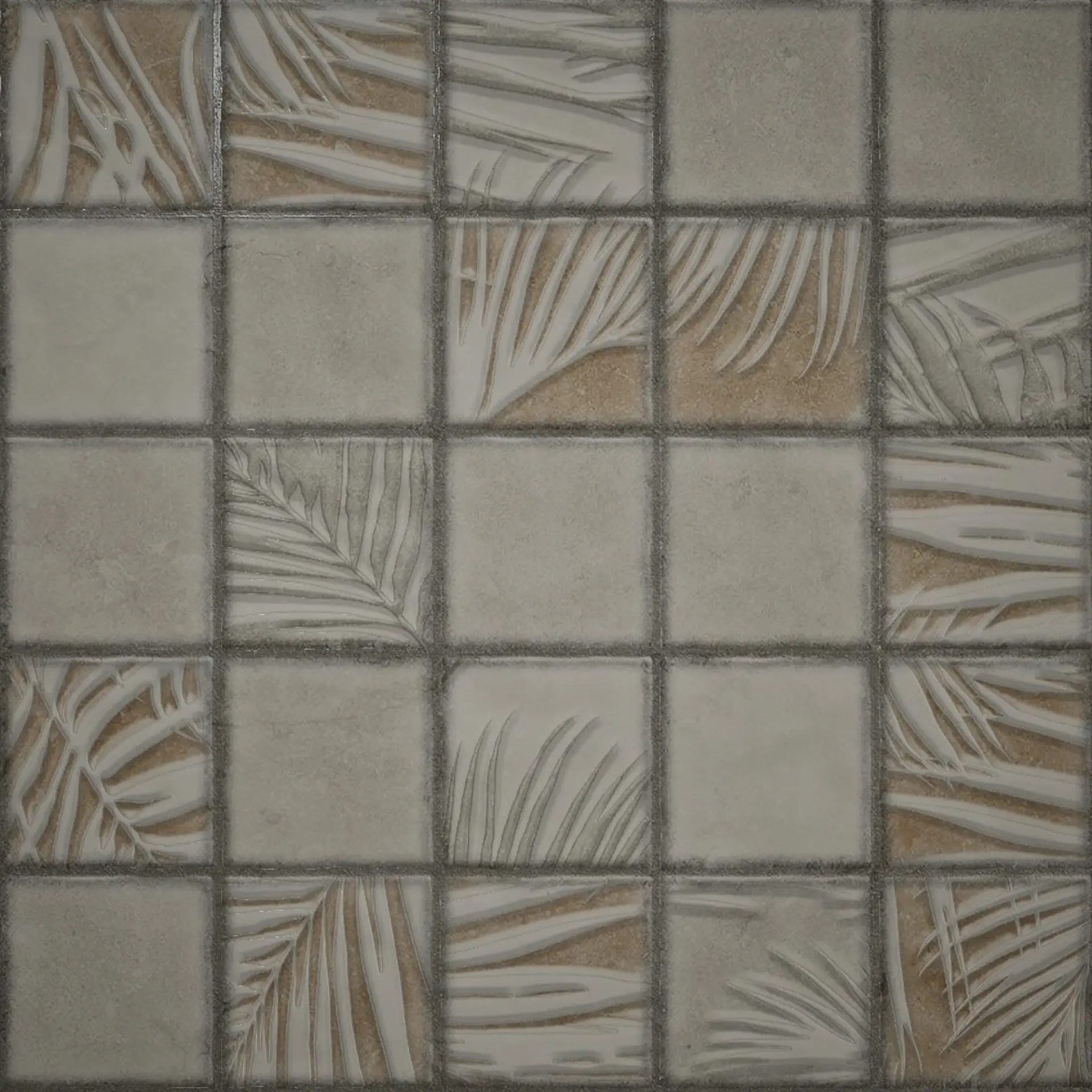
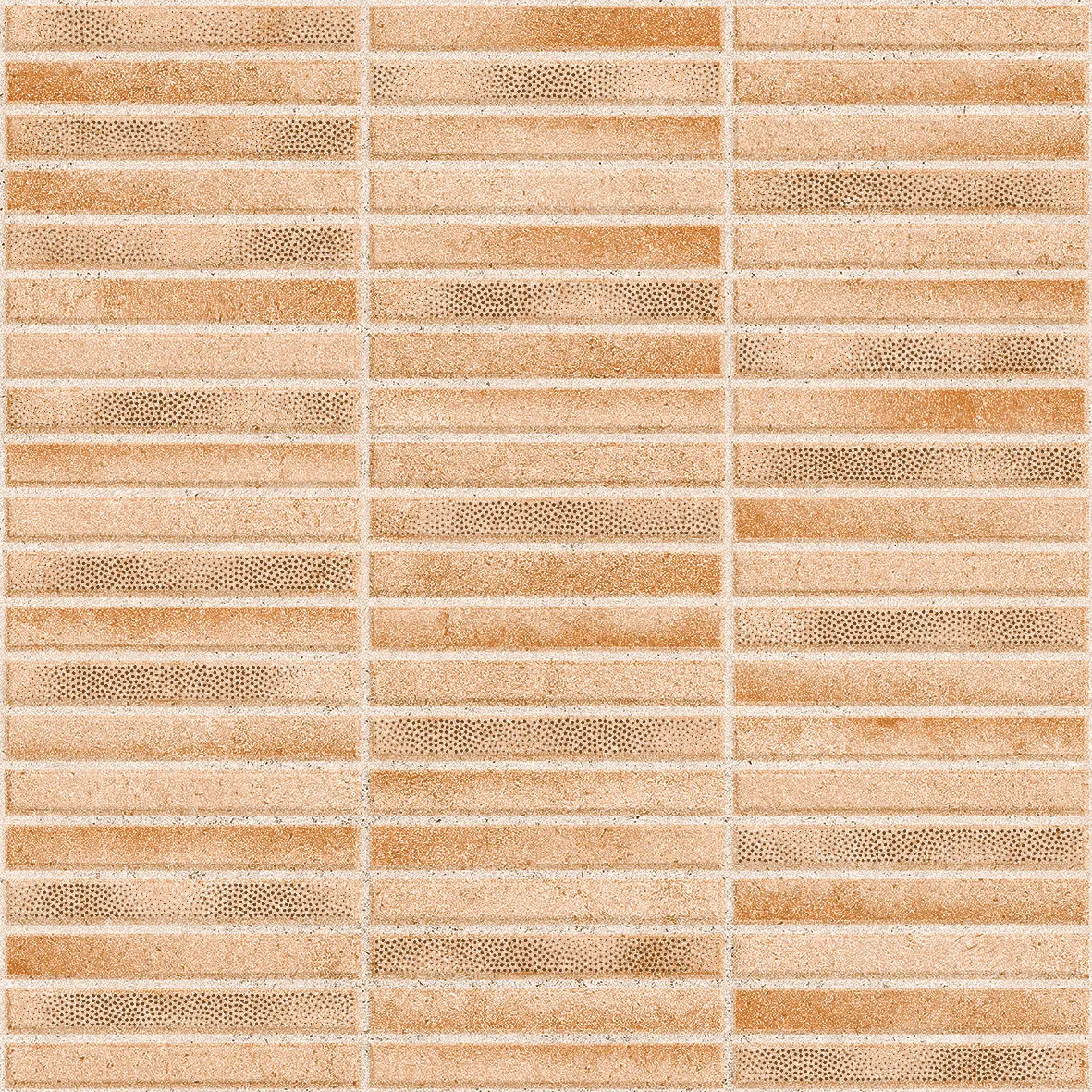
Every firing batch of a tile has its own shade, printed on the box. Most customer complaints in the tile trade come from mixed shades on one wall. Prevent them:
- Store each design's batches separately and label the racks with the shade code.
- Supply a customer's whole order from one batch, plus spares.
- When a batch is running low, tell customers before they order, not after.
- For projects, reserve one batch for the whole building at the start.
- Encourage customers to buy a spare box for future repairs.
Pricing and credit
Price for your segment and your service, not only against the dealer down the road. Customers pay for advice, a good display, accurate quantities, on-time delivery and an easy return of unopened boxes. Contractors and builders often expect credit; set limits, agree terms in writing and follow up on time, because unpaid invoices are the most common reason growing dealers run short of cash.
Finding customers
- Masons and contractors decide or influence many tile purchases. Treat them as partners: know their names, deliver to their sites on time and help them with quantities.
- Architects and interior designers bring premium projects. Keep samples, technical data and room photographs ready, and respond quickly; see tiles for architects and interior designers.
- Builders and developers buy in volume and need dependable supply from one batch.
- Homeowners research online first. A complete Google Business Profile with photos of your showroom, clear opening hours, your phone number and genuine customer reviews brings them in.
- Social media: photographs of finished rooms, short videos of room displays and before-and-after renovations show what your tiles do.
- Local events: a stall at a home show or a builders' association meeting introduces you to buyers.


Services that win repeat business
- Quantity calculation: work out the boxes for every room; see how many tiles do I need.
- Delivery: to the site, on the day promised, with careful unloading.
- Installation advice and fixers: recommend skilled fixers and the right adhesive and grout; see how to install wall tiles.
- Returns: a clear policy for unopened, undamaged boxes.
- Design help: suggest base and decor combinations, colours and layouts.
Delivery and handling
Tiles are heavy and break if they are thrown, dropped or stacked badly, and every broken box comes out of your margin. Train the loading crew to carry boxes upright and stack them flat or on edge as the factory says, never to slide them off a truck. Load trucks with the heaviest boxes at the bottom and tie the load. At the site, unload onto a flat, dry spot close to where the tiles will be fixed, cover them from rain, and get the customer or contractor to check and sign for the boxes. Note any damaged box on the delivery note on the spot; claims made days later are hard to settle with anyone.
Using data and software
Even a small dealership benefits from simple software: a billing and inventory system that tracks every design by size, shade and calibre, records which customer received which batch, and shows what has not sold in six months. It makes reordering faster, finds dead stock early and settles shade complaints in minutes, because you can see exactly which batch a customer bought. Keep a photo library of every design laid on a wall: it sells more tiles than any catalogue.
A first-year checklist
- Decide the business model and the segment (economy, mid, premium or designer).
- Study the market for a few weeks: builders, dealers, masons, styles.
- Find the location and the godown.
- Complete registrations and open the bank account.
- Shortlist and visit factories; order samples; agree terms.
- Build the showroom: room displays, boards, lighting, consultation table.
- Order the opening stock: a focused range of fast movers plus display boards for order-only designs.
- Set up billing and stock software with shade tracking.
- Meet masons, contractors, architects and builders; set up your Google Business Profile.
- Review every month: what sold, what did not, who paid late, what customers asked for that you did not have.
Common mistakes
- Stocking too many designs at the start instead of a focused range.
- Choosing a supplier only on the lowest price, then losing customers to breakage and shade problems.
- Ignoring masons and contractors.
- A showroom that shows single tiles, not walls and rooms.
- Giving credit without limits.
- No system for shade batches.
Growing the business
Once the first showroom is steady, dealers usually grow by adding sub-dealers in nearby towns, opening a project supply desk for builders, adding sanitaryware and bath fittings, opening a second showroom in a new part of the city, or importing and exporting. Each step needs the same basics: reliable suppliers, honest advice and good stock control.
Becoming an Axoli dealer
We supply dealers, distributors and showrooms across India, from Gujarat and Maharashtra to the south, east and north. Our range is ceramic digital wall tiles: 51 designs in 300 × 300, 300 × 450 and 300 × 600 mm, in matt, glossy and rustic finishes, many as sets of a base with decor tiles. It covers designer feature walls, pooja rooms, elevations and stone cladding, kitchens, Moroccan patterns, pool areas and patterned floors, which are the categories where a dealer can stand out from the plain-tile competition.
| Size | Tiles per box | Covers | Box weight |
|---|---|---|---|
| 300 × 300 mm | 7 | 7 sq ft | about 10 kg |
| 300 × 450 mm | 5 | 7.5 sq ft | about 8.5 kg |
| 300 × 600 mm | 4 | 8 sq ft | about 11.5 kg |




Working with architects and interior designers
Designers bring the highest-value orders, but they expect a different service from homeowners. Keep a designer corner in the showroom with samples to borrow, technical details per design (size, thickness, finish, use, box details), room photographs and quick quotations. Invite designers to see new ranges first. Deliver exactly what was specified, from one batch, on time; a designer who trusts your supply will send you project after project.
We send samples and the catalogue, share prices and availability on request, pack in laminated, rain-proof 5-ply boxes and reply within one working day. Our buying guide explains the order process.


Planning a dealership or adding designer tiles to your range? Contact us with your city and the type of business, or find your area in India.