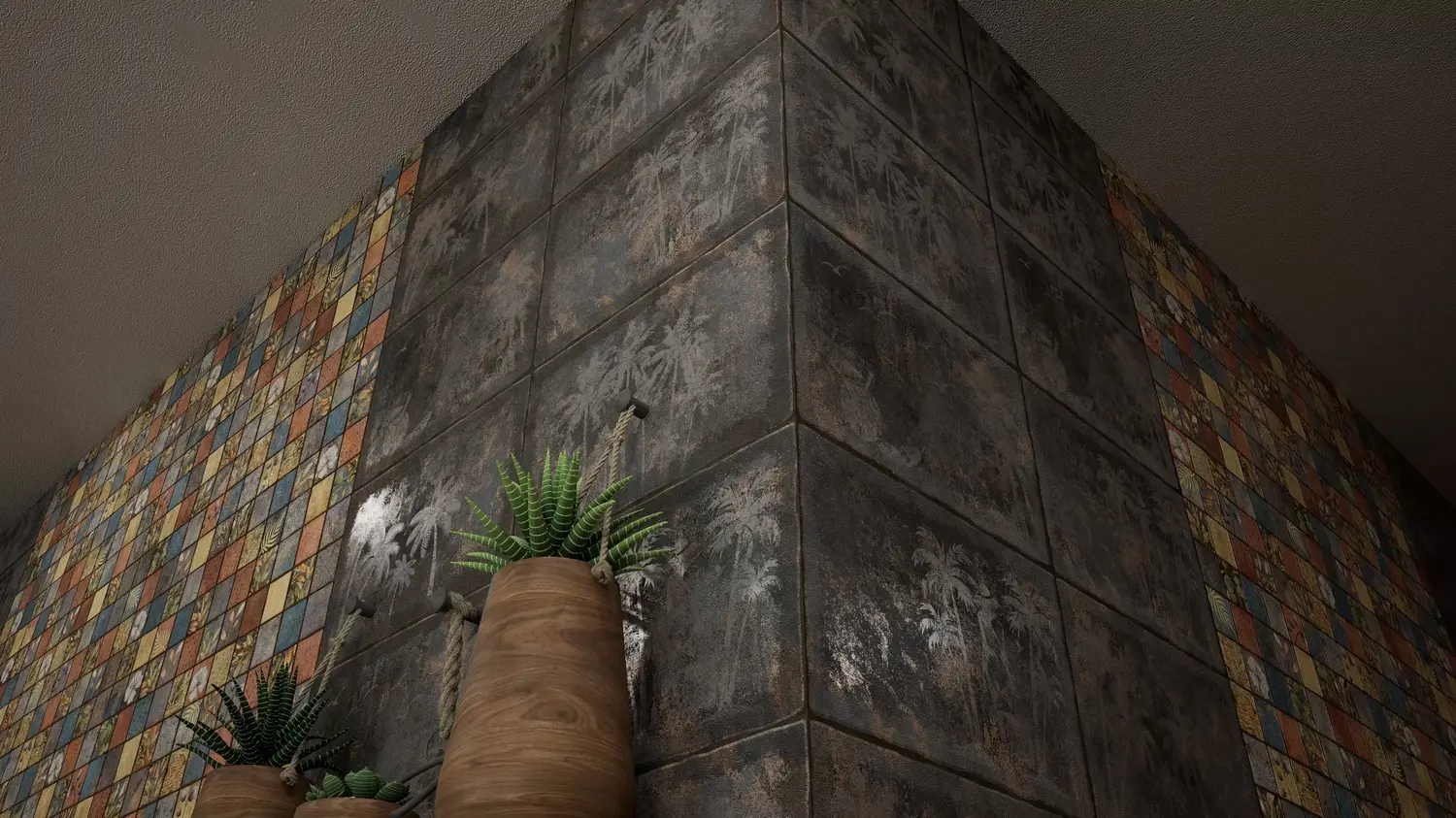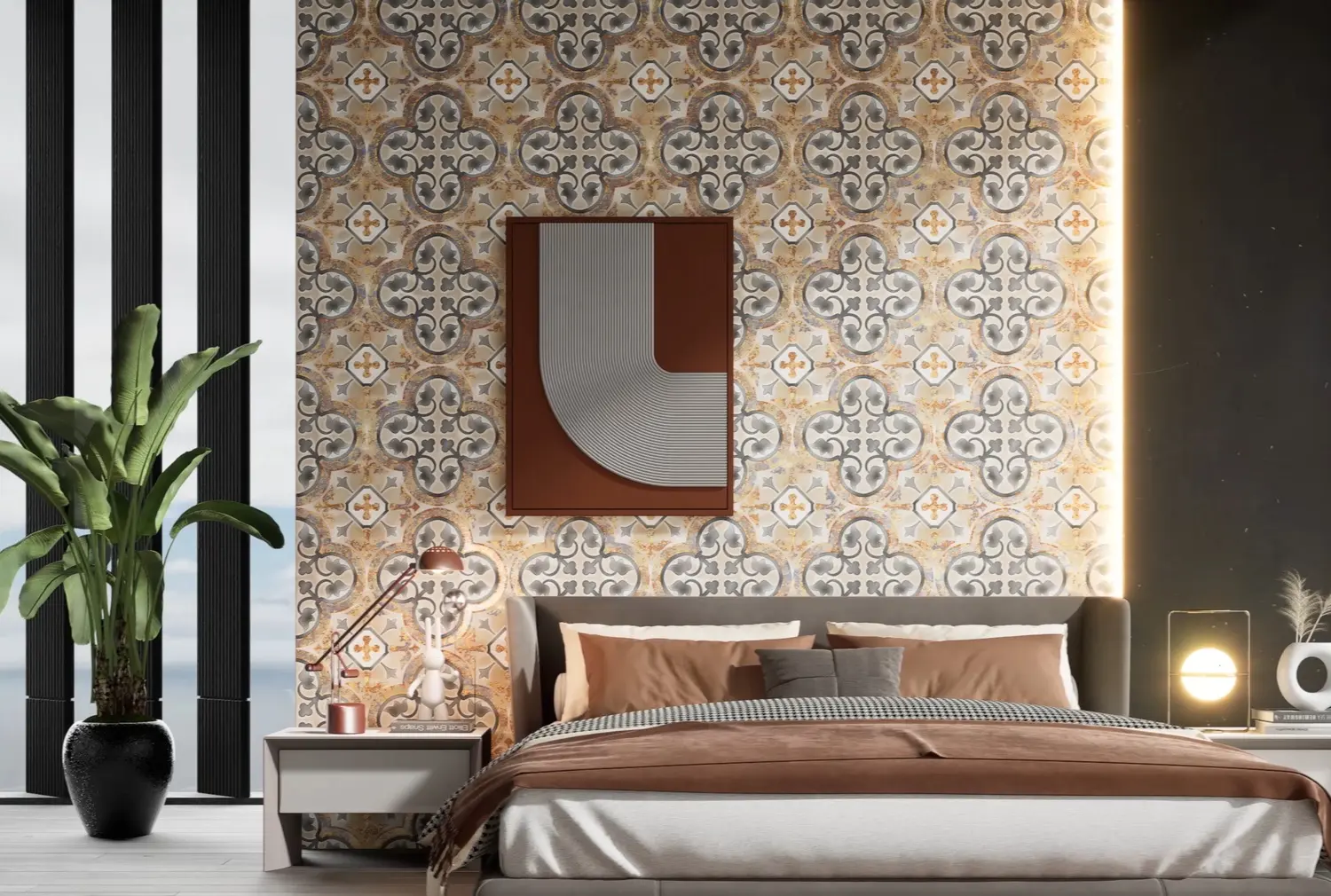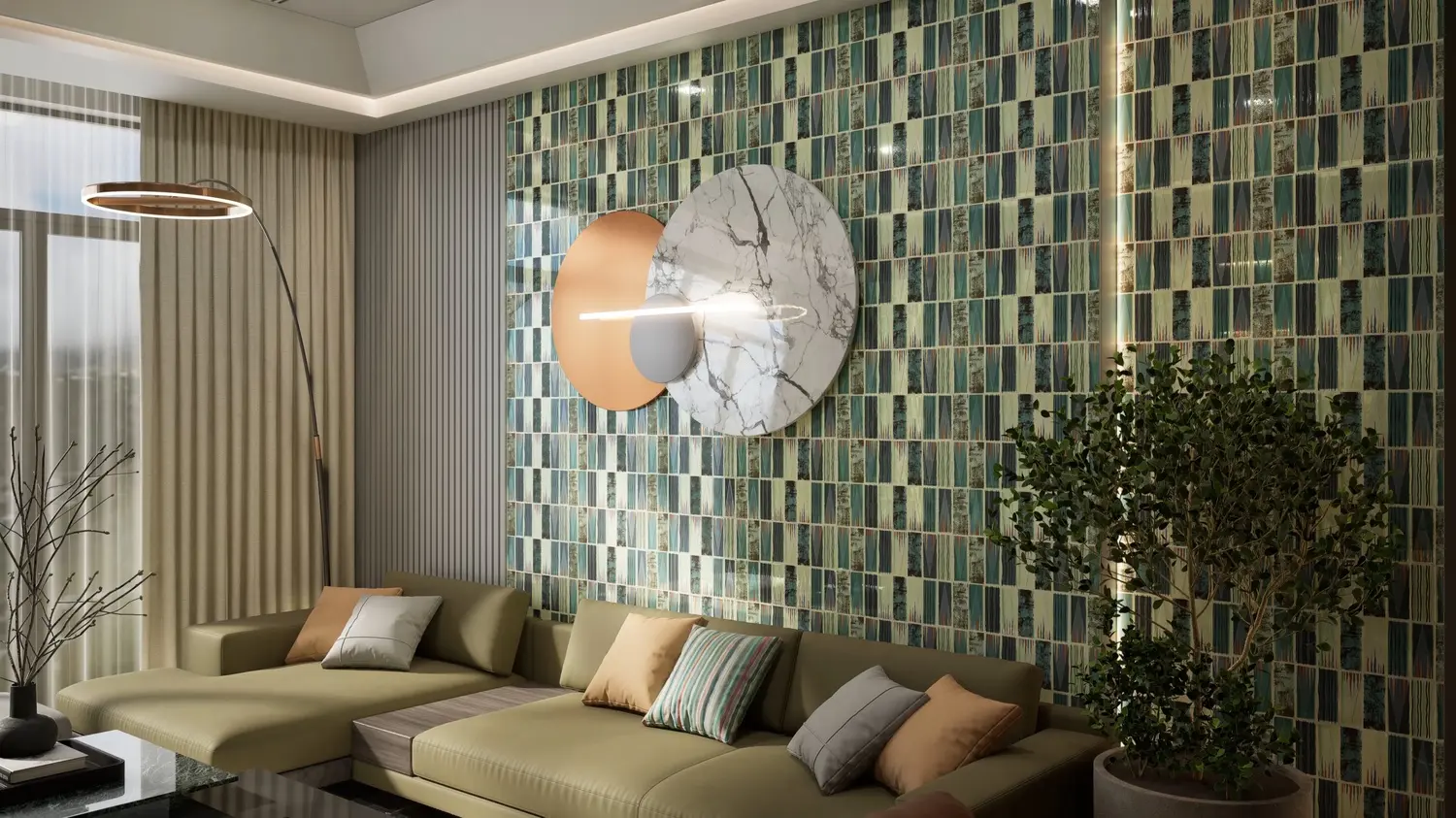

Tiles for cafes, restaurants, hotels, shops and offices: a design and specification guide
How architects, designers and owners use wall tiles in cafes, restaurants, hotels, shops, offices, salons and spas: what each space needs, design ideas, hygiene and durability, and how to plan supply for a project or a chain.
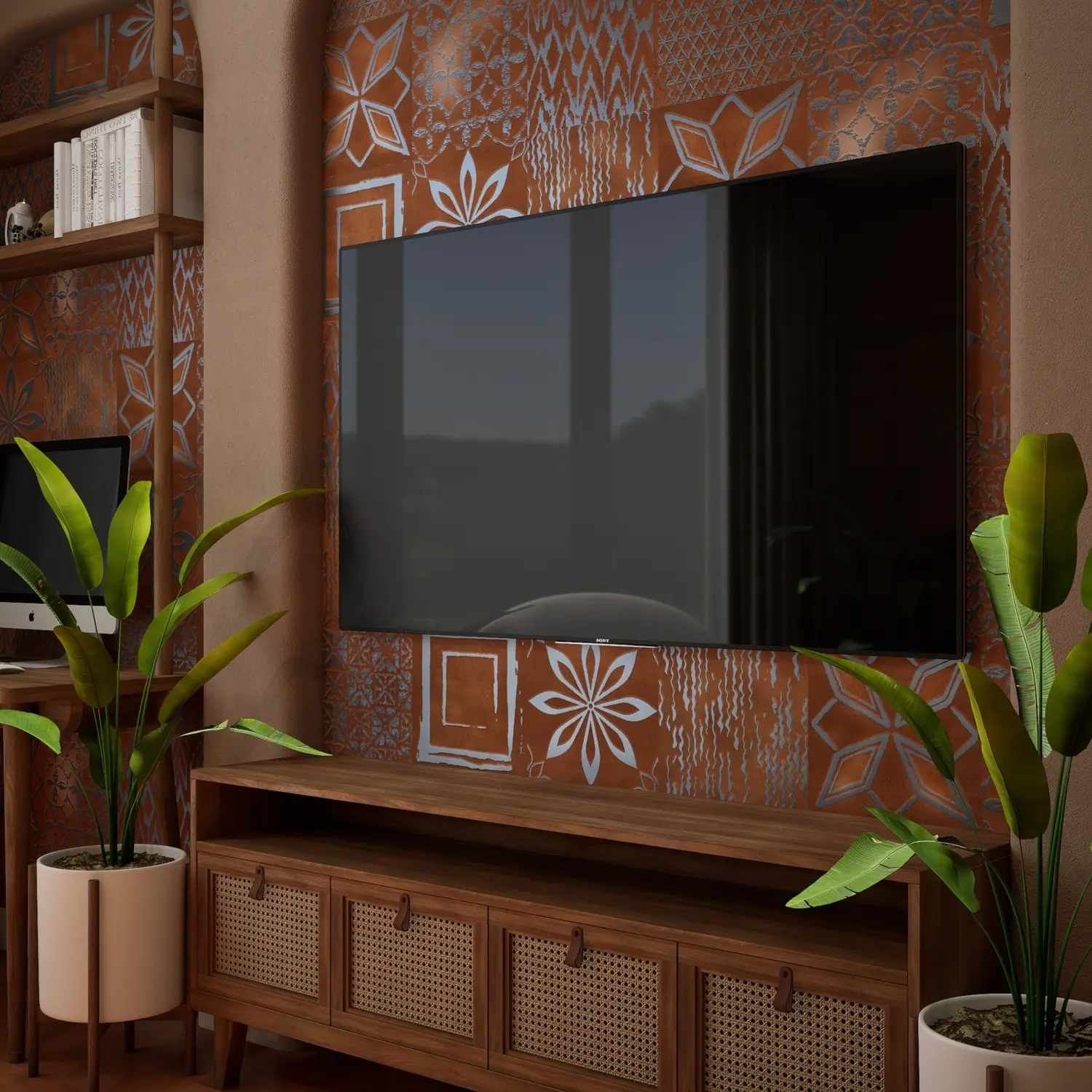
In a cafe, a hotel lobby or a boutique, the walls work harder than at home. They are seen by thousands of people, photographed and shared, wiped and scrubbed every day, knocked by chairs, trolleys and bags, and expected to look new for years between refits. Glazed ceramic tiles do this better than almost any other wall finish, and digital printing lets them carry a brand's personality as well as wallpaper or paint ever could.
This guide explains how to use wall tiles in commercial interiors: what each type of space needs, design ideas that work, hygiene and durability, and how to plan supply for a single project or a chain of outlets. It is written for architects, interior designers, fit-out contractors and owners, with examples from our own designs, several of which are photographed in cafes, hotels and shops.
Why tiles suit commercial interiors
- Durability. A glazed ceramic surface resists scuffs, stains and cleaning chemicals far better than paint or wallpaper.
- Hygiene. The glaze is sealed and non-porous, so it can be wiped and disinfected daily; food safety rules in most countries, including India's FSSAI requirements, call for smooth, washable surfaces in food areas.
- Fire safety. Ceramic tiles are fired clay and glaze and do not burn.
- Low running cost. No repainting every year; a wall can last through several refits.
- Brand and atmosphere. Pattern, colour and texture set the mood of a space and make it recognisable in photographs.
- Speed. Large printed tiles give the look of mosaic, brick or stone in a fraction of the fixing time, which matters on tight fit-out schedules.
Cafes and coffee bars
A cafe is sold on its atmosphere and on how it looks in customers' photographs. Three walls do most of the work:
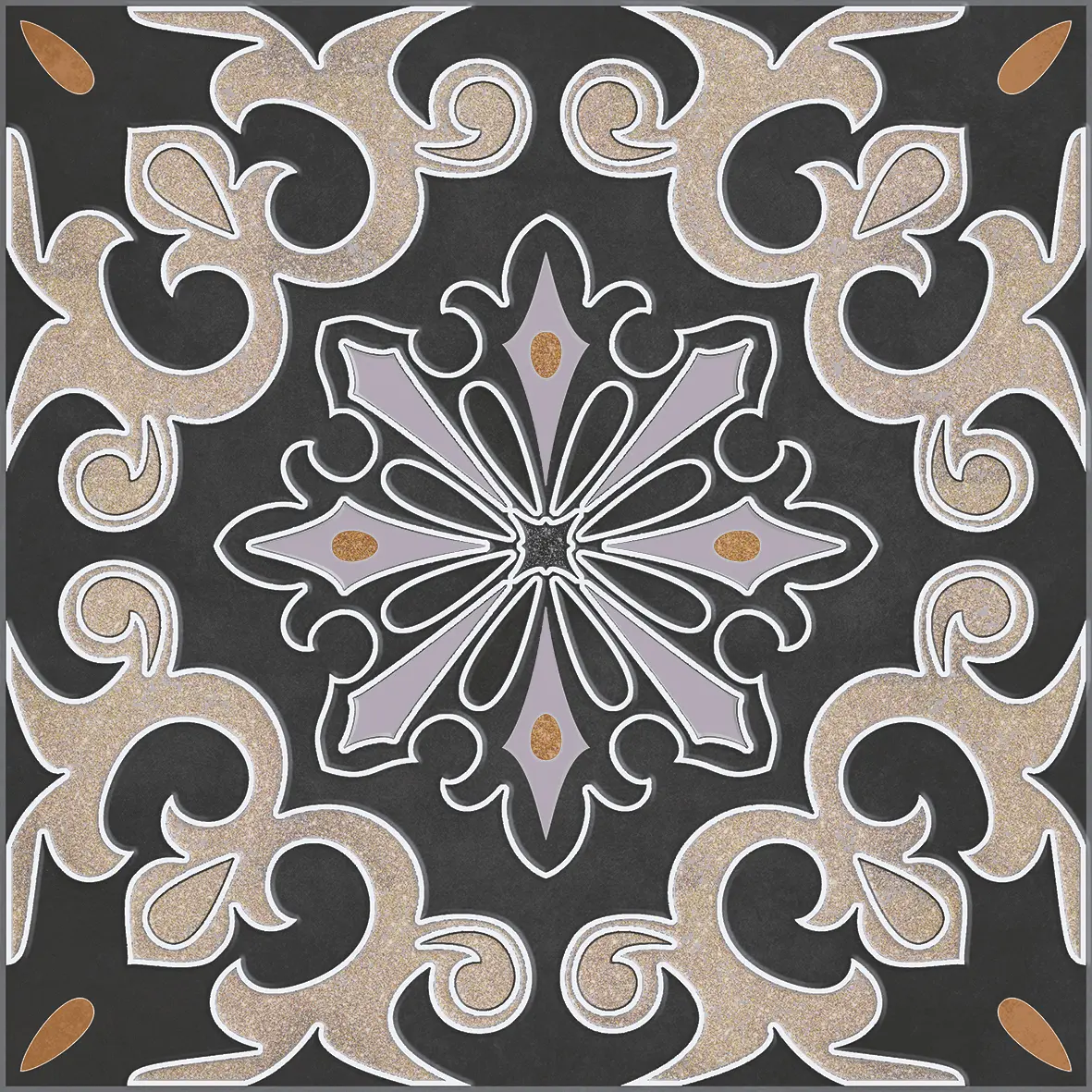
- The counter front. The first thing customers see as they queue. A patterned front in a bold design becomes the cafe's signature; our Vienna Black Moroccan tile is shown on the front of a coffee counter.
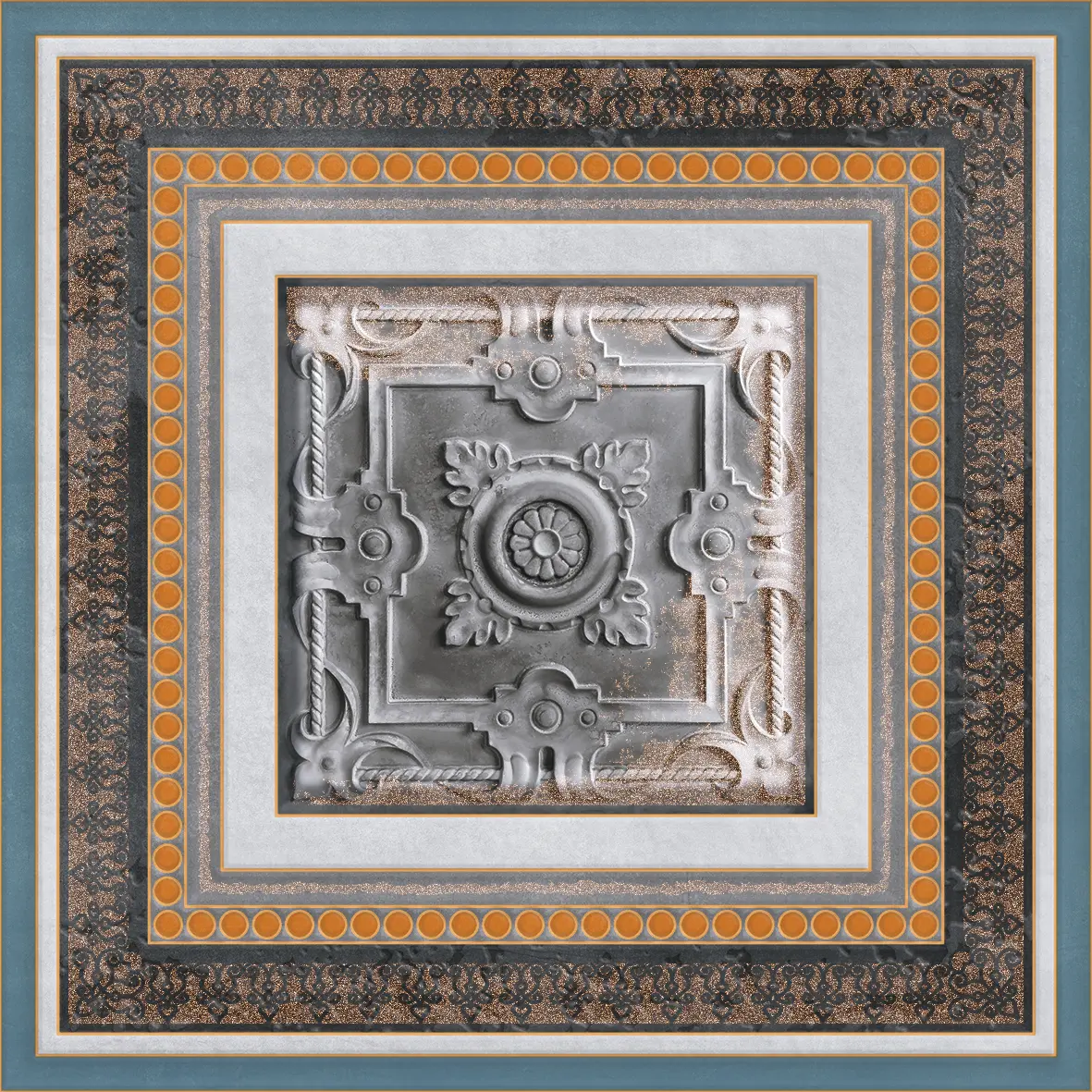
- The wall behind the counter. It frames the baristas and the menu. Our Mitica Vintage pressed-tin look and Belfist stone and floral arches are shown on cafe counter walls and as a coffee bar backsplash.
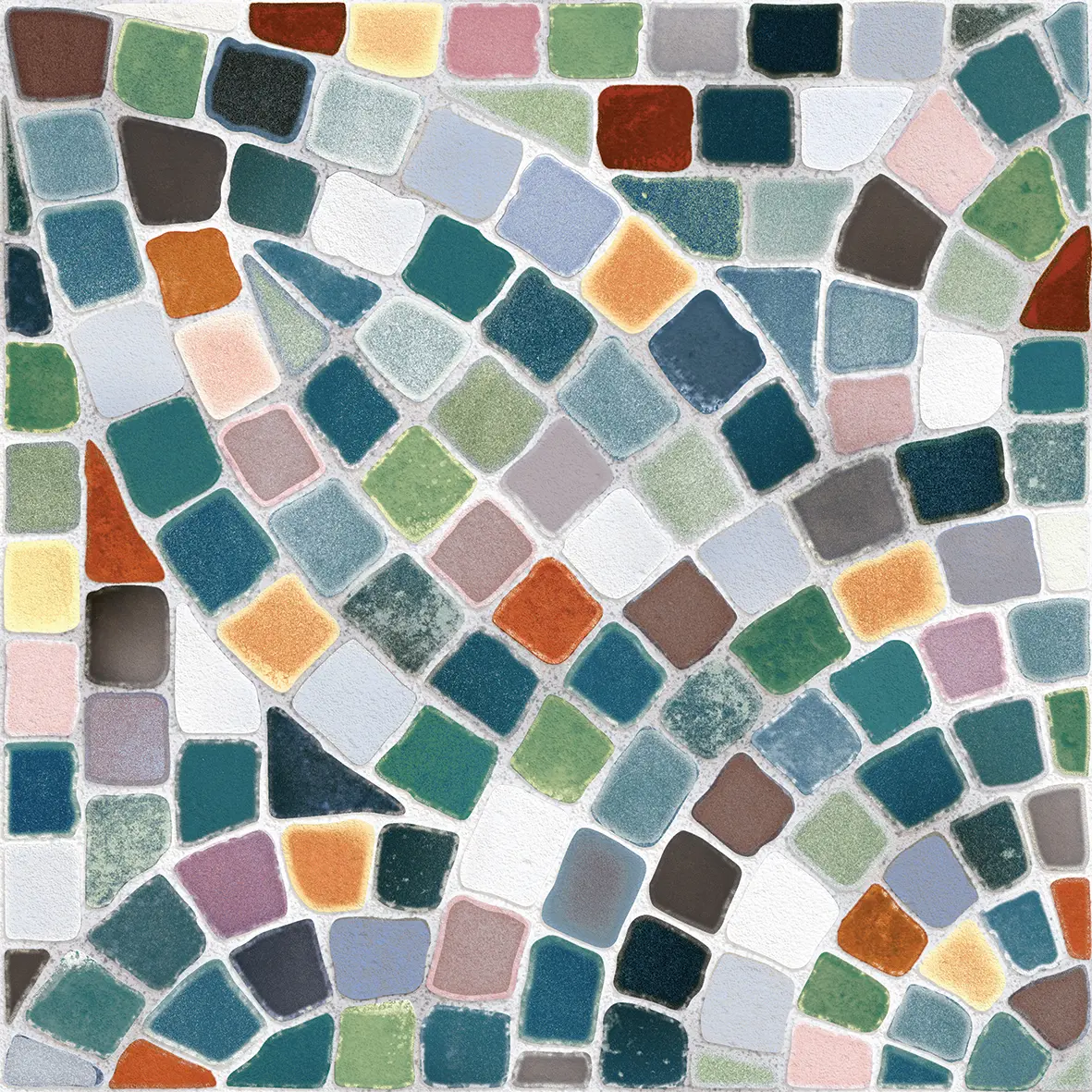
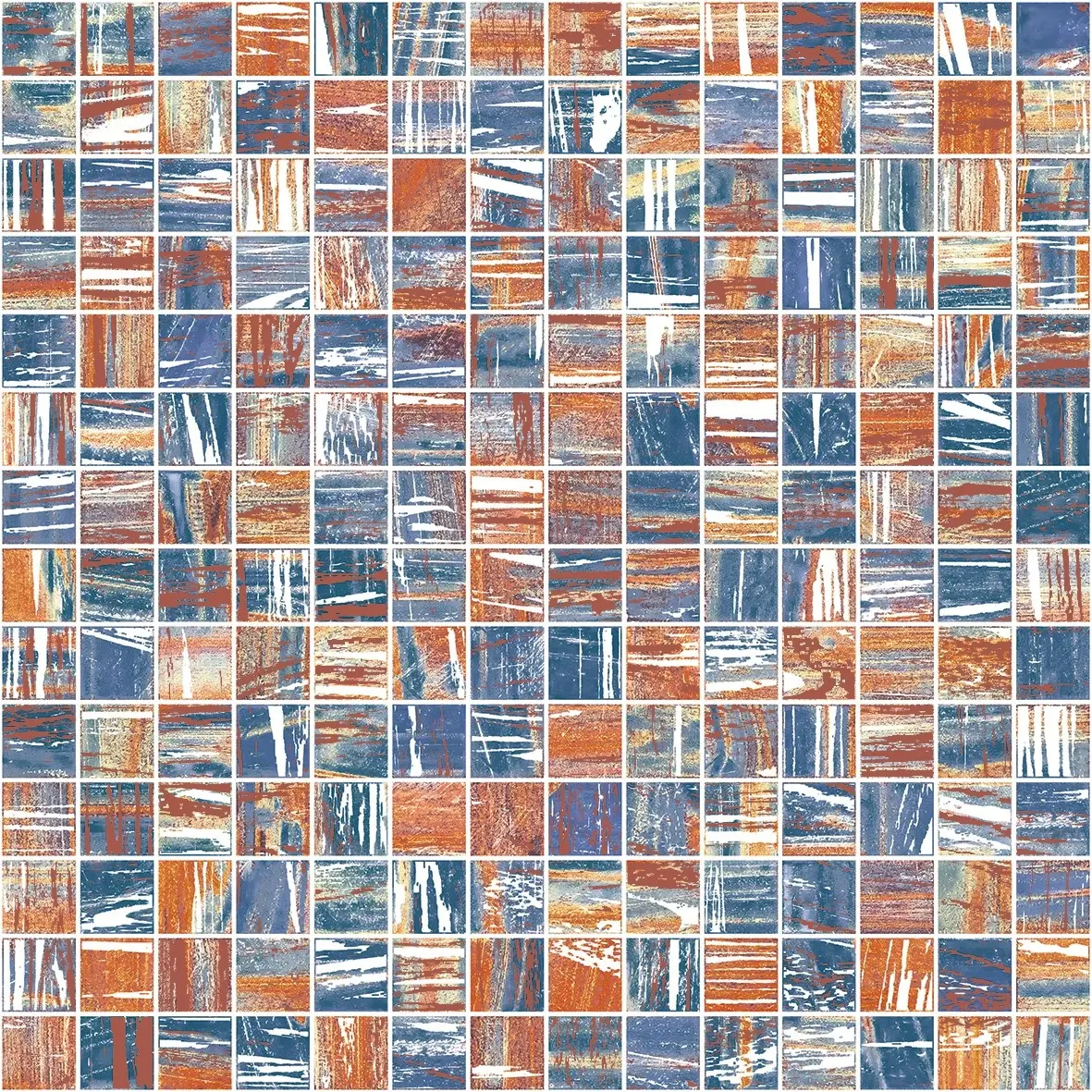
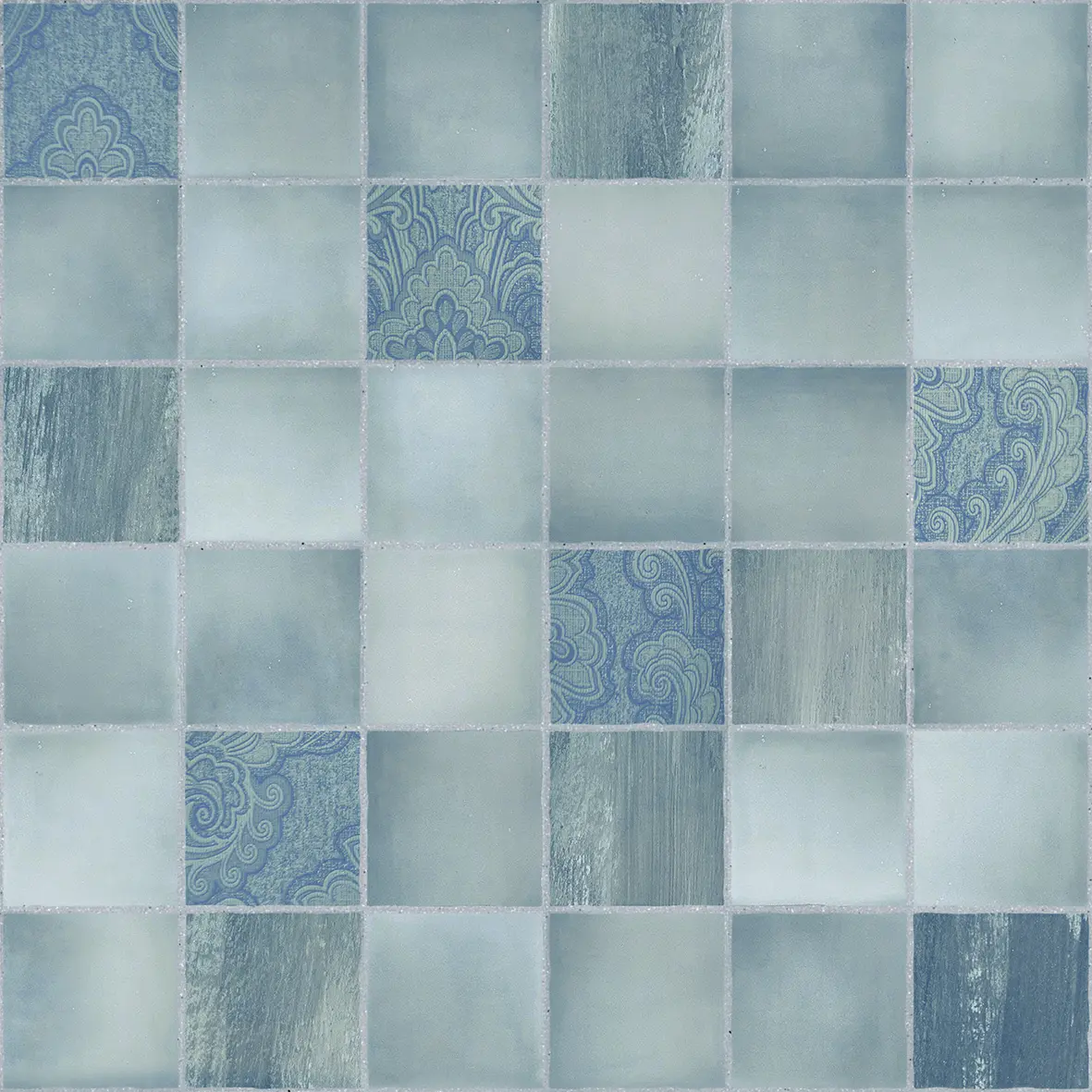
- The photo wall. A feature wall by the seating, lit well, that customers want to sit in front of: the herbs of Bondy Relex, the circles of Eclipse Grove or the blue mosaic look of Coliseo Azure, shown on cafe walls.
For coffee corners in offices and homes, the hand-drawn coffee grinder and teapot decors of Willow Kitchen are made for the purpose.


Restaurants
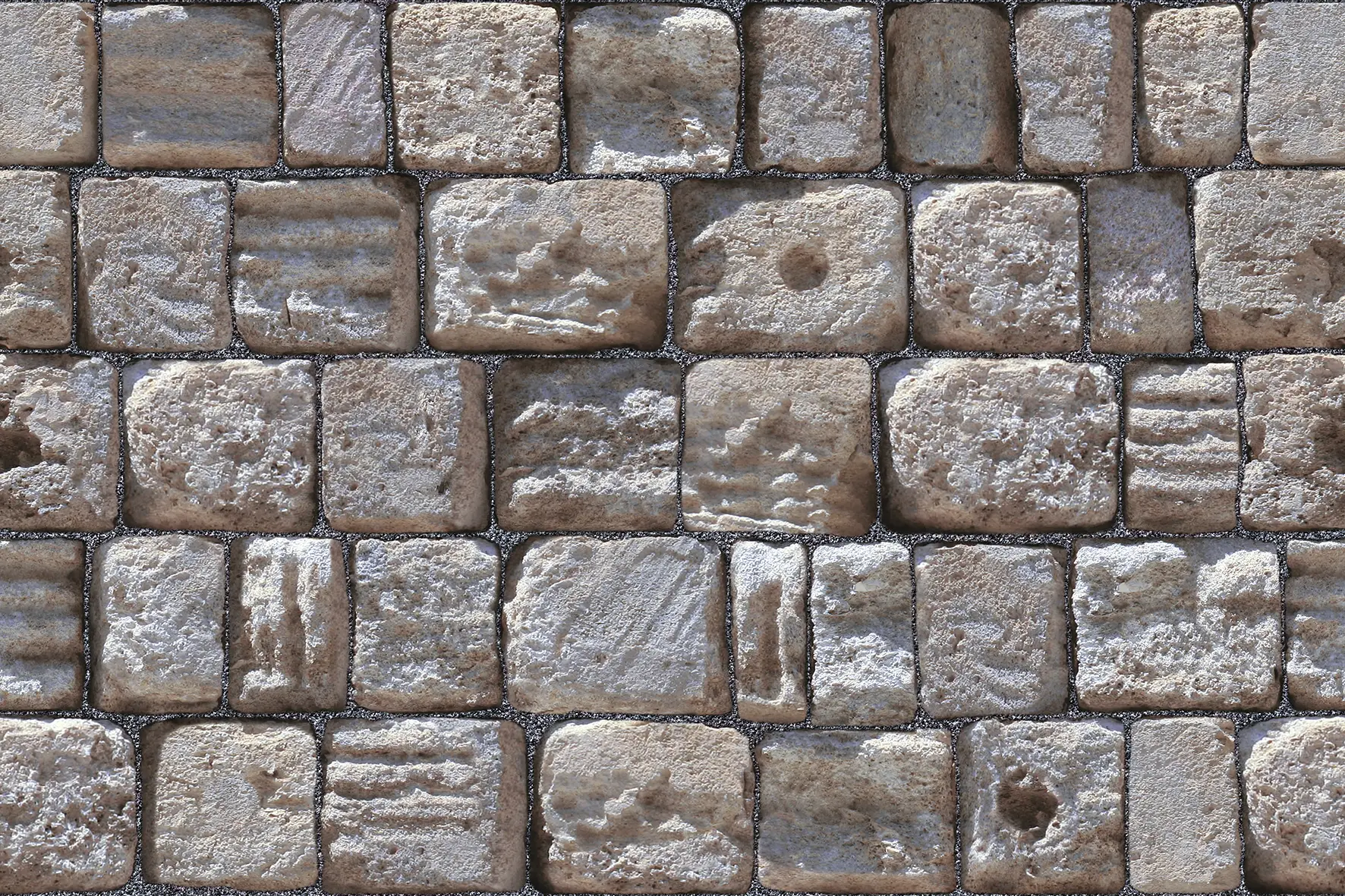
- Dining walls: a theme is easy to build with tiles. Moroccan medallions for a Mediterranean or Middle Eastern restaurant, terracotta and sandstone for an Indian courtyard look, Egyptian hieroglyphs (Abstract Art) for a themed restaurant, pebble and stone for a coastal one.
- Open kitchens and pass counters: the kitchen is part of the show. A glazed, easy-clean tile behind the pass looks good and survives the heat and grease.
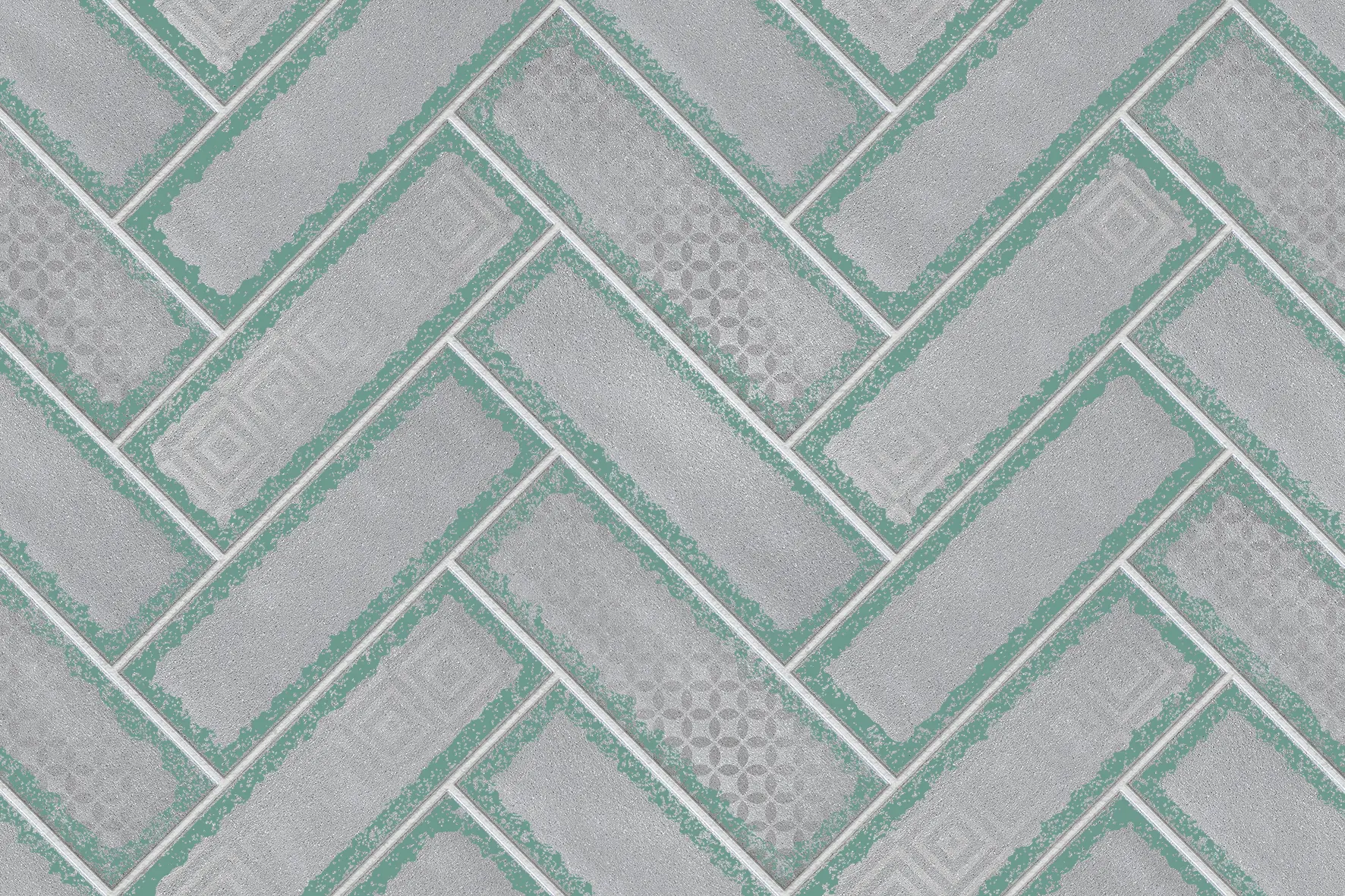
- Bars: dark, moody walls such as the charcoal stone and golden leaves of Clinker, or the sage herringbone of Greva Art, shown in a home bar.
- Washrooms: guests judge a restaurant by its washroom. A patterned wall behind the basins is a small area with a big effect.
- Outdoor seating: stone-look walls and a patterned floor such as Kolum Multi, shown on an outdoor dining area.


Commercial kitchens
Behind the scenes, kitchens need walls that can be cleaned thoroughly every day. Light-coloured glazed tiles from floor to ceiling, epoxy grout that does not absorb grease, rounded coving at the floor junction and stainless steel trims at corners are the usual specification. Follow your local food safety authority's rules and your kitchen consultant's specification; the tile itself should be glazed, light-coloured and easy to clean.
Hotels and resorts
Hotels use tiles in more places than any other building, and the challenge is consistency across hundreds of rooms.
- Reception and lobby: a feature wall behind the reception desk sets the hotel's identity in the first second. Our Multi Mosaic is shown behind a hotel reception desk, and Bondy Relex behind a reception desk.
- Guest bathrooms: the same design repeated in every room, so supply must come from one batch or carefully matched batches. Choose timeless, calm designs with a single accent wall.
- Corridors and lift lobbies: durable lower walls (a half-height wainscot) protect against luggage trolleys.
- Restaurants, bars and cafes: as above.
- Spas, pools and steam rooms: blue and stone looks, slip-resistant floors and epoxy grout; see swimming pool tiles.
- Prayer rooms and temples: many Indian hotels and resorts include a mandir; devotional tiles such as Divyam God or a mantra wall in Angira Ishvara give it dignity.
- Exteriors and courtyards: stone and slate looks for the entrance, boundary walls and garden walls.

Shops and boutiques
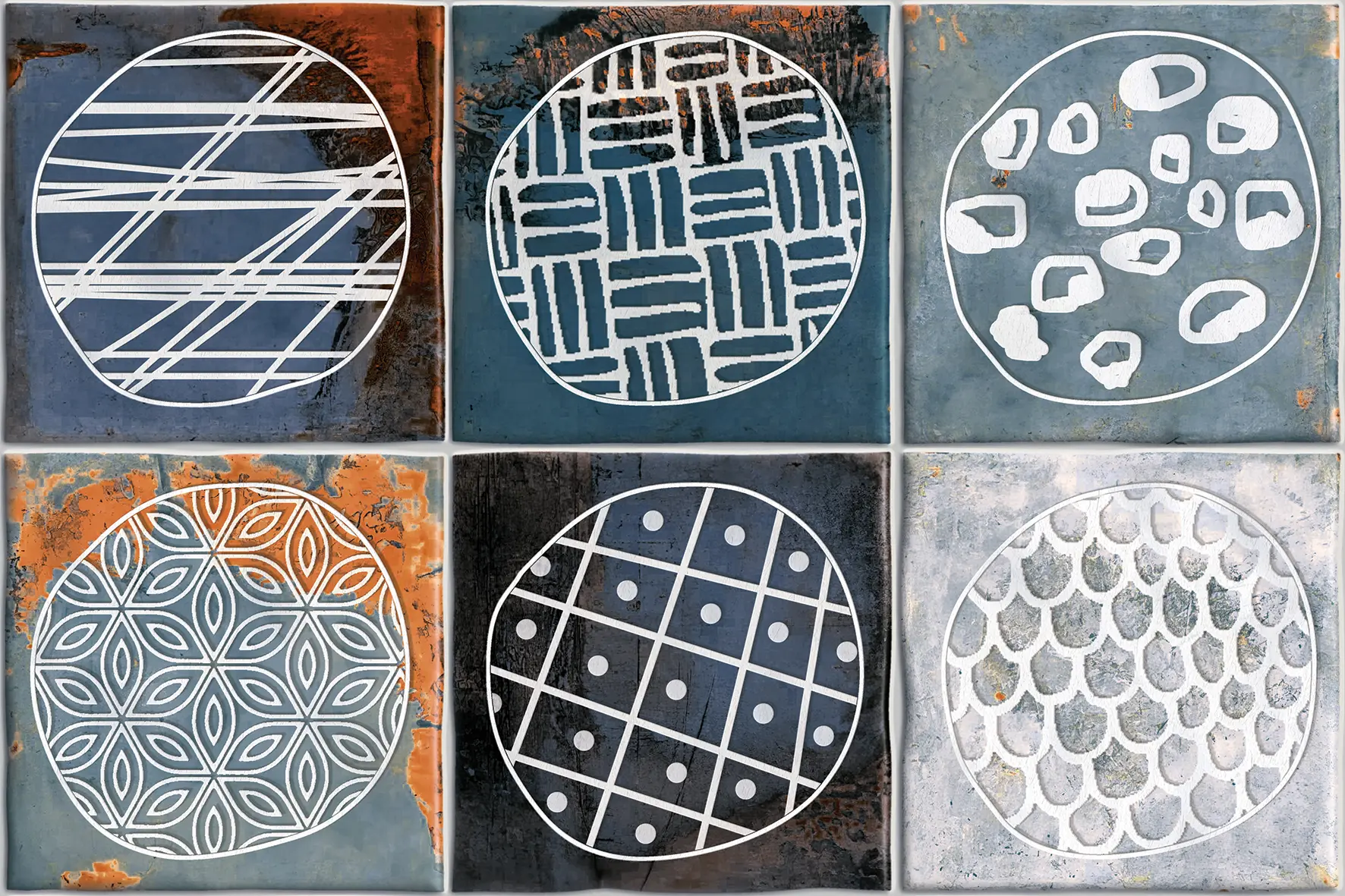
In retail, the walls are the backdrop for the products. A calm wall lets merchandise stand out; a bold wall behind the till or in a display niche gives the brand a signature. Our Eclipse Grove patchwork of circles is shown on the walls of a clothing boutique. Fitting rooms, cash counters and shop fronts are other good places for a feature tile. Choose designs that complement, rather than compete with, the products' colours.
Offices
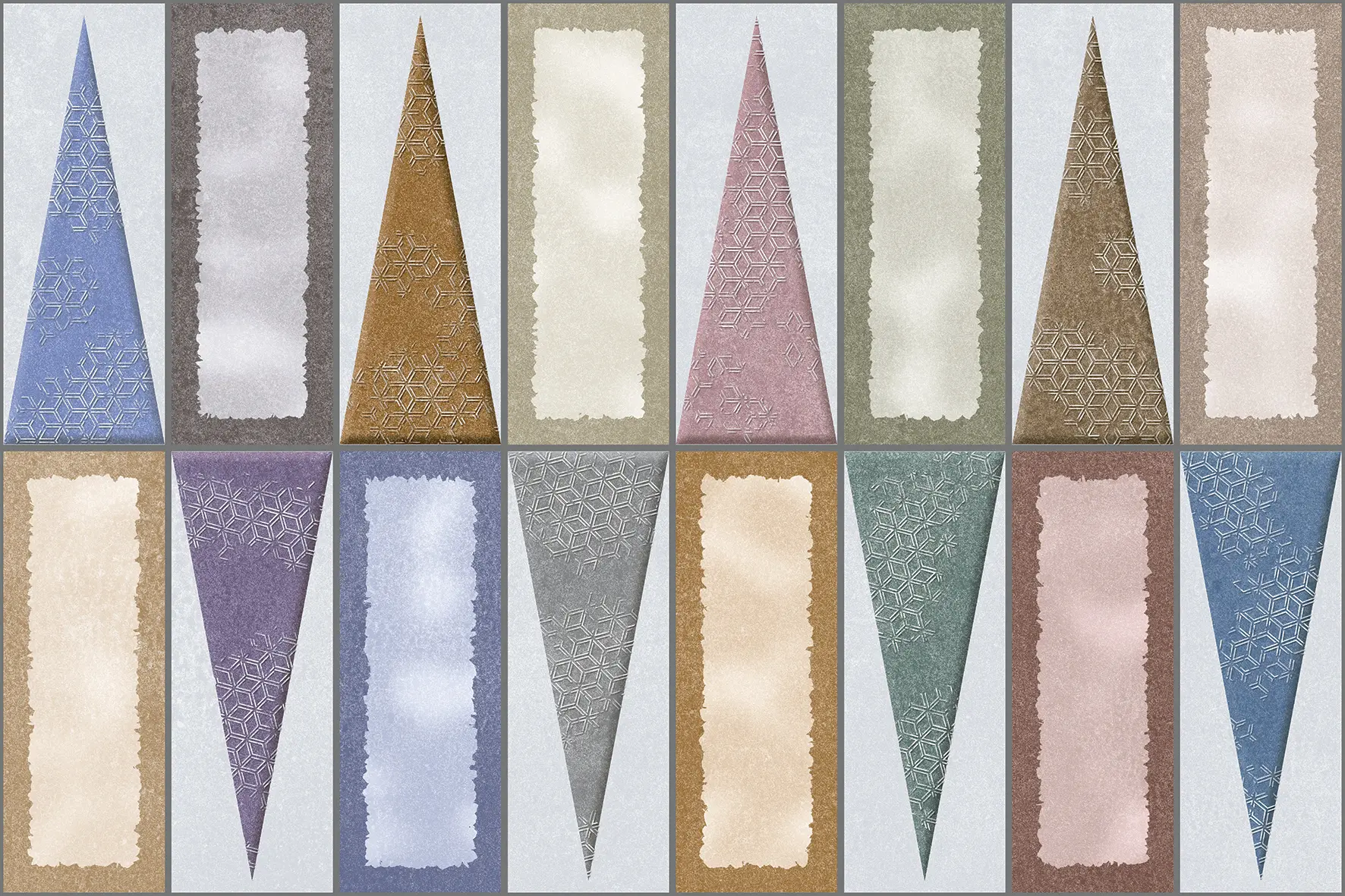
- Reception: one wall behind the reception desk in the company's colours or a natural stone look.
- Pantry and coffee corners: an easy-clean backsplash with some personality.
- Washrooms: durable, calm, easy to clean.
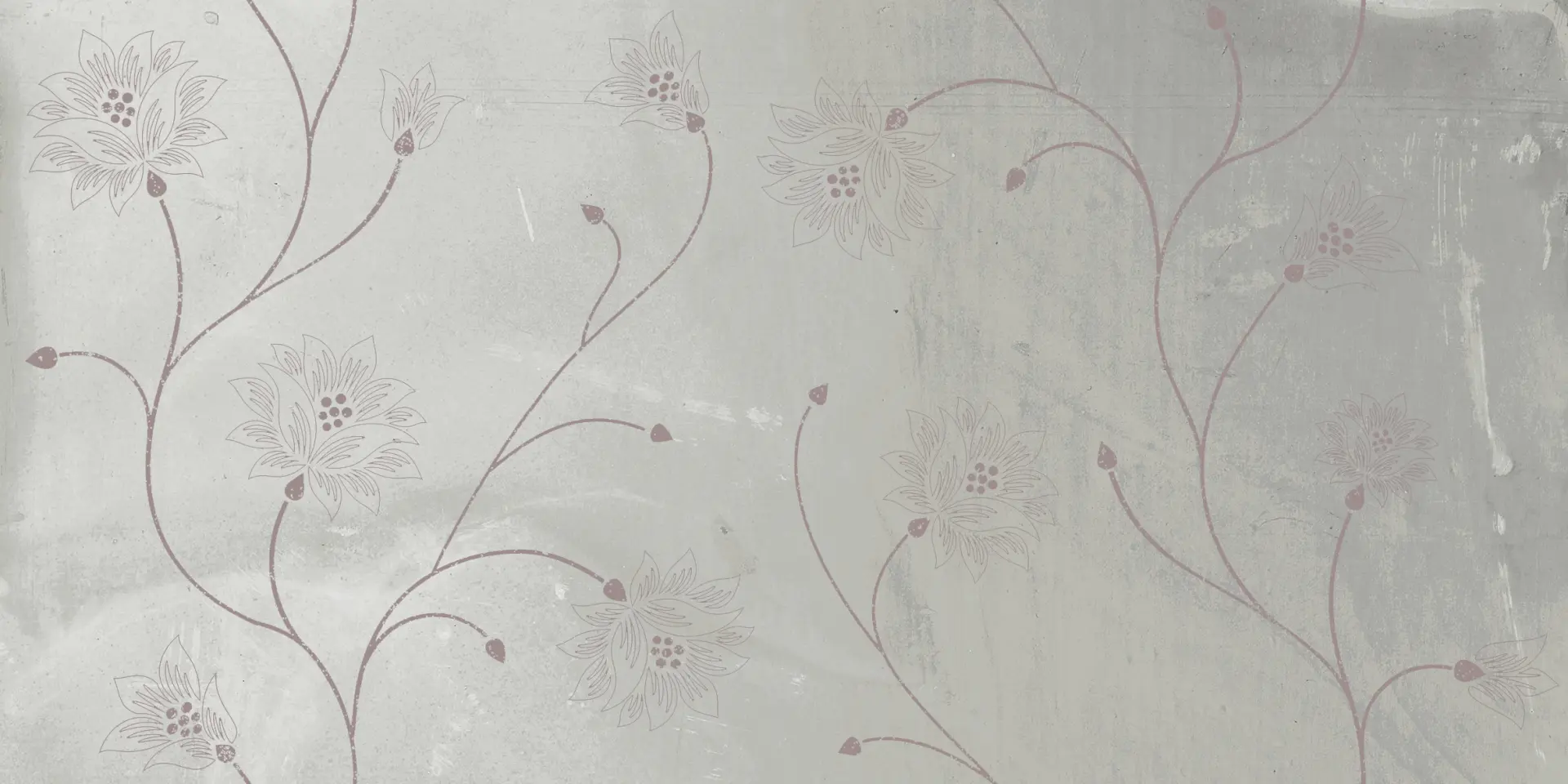
- Breakout spaces: a patterned or botanical wall makes a space feel informal and creative.
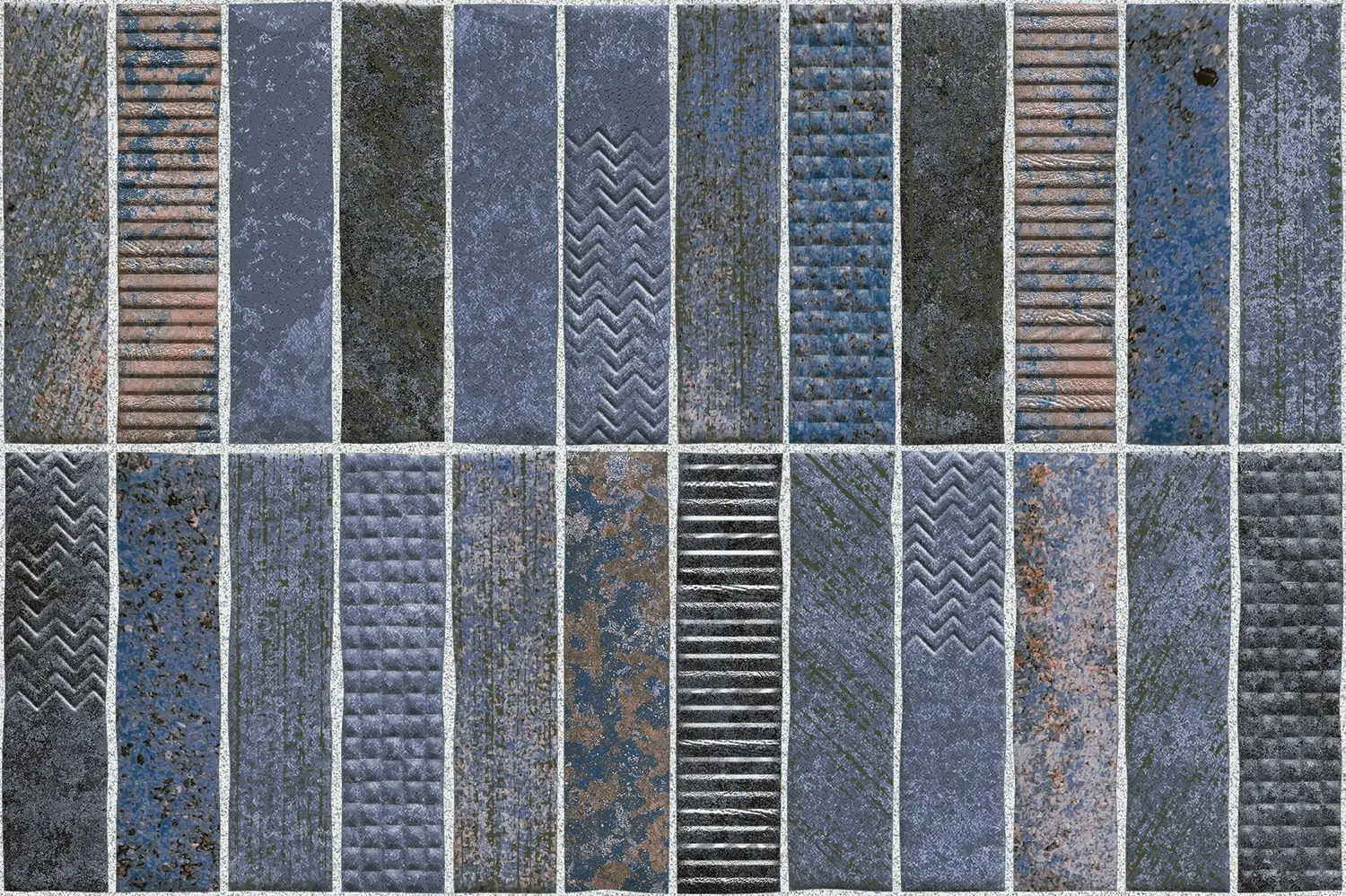
- Meeting rooms: a single textured wall, such as stacked strips or carved stone, adds warmth without distraction.
Salons, spas, gyms and clinics
Wet areas, hair dye, oils and constant cleaning make tiles the natural choice for salon wash stations, spa treatment rooms, gym changing rooms and clinic washrooms. Calm blues, greens and stone looks suit spas and clinics; bolder patterns suit salons and gyms. Specialist healthcare spaces have their own specifications, so follow the project's healthcare consultant.
Design principles for commercial spaces
- One hero wall. Pick the wall people see first or photograph most and make it the feature; keep the rest calm.
- Light it. Grazing light from above brings out texture and pattern and makes the wall glow in photographs.
- Think about the camera. Patterns read well in photos at a distance of two to four metres; very small patterns turn into noise.
- Match the brand. Pull colours from the logo or menu, or choose a look that tells the brand's story (handmade, coastal, heritage, modern).
- Plan for wear. Use tiles on the lower parts of walls that chairs, trolleys and bags hit.
- Keep it cleanable. Matching or mid-grey grout hides wear; epoxy grout in food areas.
Specifying tiles for a project
- Technical data: size, thickness, finish, use (wall or floor) and box details for each design; ours are listed below.
- Samples and a mock-up: order samples early and, for large projects, build a mock-up wall on site to approve the design, grout colour and lighting together.
- Quantities: work out each area with its wastage, by design; see how many tiles do I need.
- One batch: reserve the full quantity from one batch, or schedule deliveries from matched batches, so every room and outlet looks the same.
- Spare stock: order extra boxes for future repairs and keep them on site; a commercial wall will be knocked eventually.
- Installation: specify adhesive, grout and movement joints; see how to install wall tiles.
- Delivery schedule: agree delivery dates with the fit-out programme, so tiles arrive when the walls are ready and not before.
Chains and franchises
For a chain of cafes, stores or hotels, the tile becomes part of the brand standard. Choose designs a manufacturer will keep in production, agree how repeat orders are matched, and keep a reference panel at head office. Order for each new outlet with its own quantities, and ask for the same batch where outlets open close together. A clear specification sheet with the design names, sizes, grout colour and layout drawings lets any local contractor reproduce the look.
Our designs for commercial spaces
| Space | Designs | Why |
|---|---|---|
| Cafe counter and photo wall | Vienna Black, Mitica Vintage, Eclipse Grove, Bondy Relex | Bold, photogenic patterns |
| Coffee bar backsplash | Belfist, Willow Kitchen | Easy clean, coffee themes |
| Themed restaurant | Abstract Art, Melisa Art, Burn Mont Art | Strong stories: Egypt, Morocco, courtyards |
| Bar | Clinker, Greva Art, Daous Caramel | Dark, warm, moody |
| Hotel reception | Multi Mosaic, Bondy Relex, Shiner Craft | Craft and texture |
| Spa and pool | Coliseo Azure, Pigmento Aqua | Blues and aquas |
| Boutique | Eclipse Grove, Squra Prizo, Nordic | Colour and pattern behind products |
| Office reception | Arritage Square, Textura Mist, Qubonic | Calm, natural, professional |
| Hotel temple | Divyam God, Angira Ishvara, Nimohay Raghav | Devotional walls |
| Size | Thickness | Tiles per box | Covers | Box weight |
|---|---|---|---|---|
| 300 × 300 mm | 9.5 mm, rated for floors | 7 | 7 sq ft | about 10 kg |
| 300 × 450 mm | 7.5 mm | 5 | 7.5 sq ft | about 8.5 kg |
| 300 × 600 mm | 9.5 mm | 4 | 8 sq ft | about 11.5 kg |
We supply commercial projects in India and abroad, with samples, box counts per area and shade-matched supply. Architects and designers can read tiles for architects and interior designers; owners and contractors can contact us with drawings or a schedule of areas.
Restaurant themes, tile by tile
| Theme | Wall | Designs |
|---|---|---|
| Mediterranean or Moroccan | Patterned counter front and feature wall | Melisa Art, Vienna Black, Burn Mont Art |
| Indian courtyard | Terracotta and sandstone walls, carved stone | Delice Bricks, Jaspo Lalie, Shiner Craft |
| Egyptian or Middle Eastern | Hieroglyph and sand walls | Abstract Art |
| Coastal seafood | Blue mosaic and pebble | Coliseo Azure, Kolum Multi |
| Industrial bar | Oxidised metal and dark stone | Daous Caramel, Clinker |
| Garden cafe | Herbs and leaves | Bondy Relex, Velveno, Graph |
| Retro diner | Capsules, circles, black and white | Stepler Brick, Eclipse Grove, BW 01 |
| Heritage tea room | Pressed tin and medallions | Mitica Vintage, Areban |
A hotel bathroom specification, as an example
A typical hotel guest bathroom of about 5 × 8 ft, repeated in 120 rooms, might specify: a calm base tile in 300 × 600 mm on all walls to the ceiling; a decor panel on the shower wall; a matt, slip-resistant floor tile; epoxy grout in the shower and silicone at all internal corners; waterproofing to full height in the shower and 300 mm up the walls elsewhere. Each room's quantities are worked out once, multiplied by the number of rooms, plus wastage and a stock of spare boxes kept by the hotel's maintenance team. The whole order is reserved from one batch, or from batches matched floor by floor.
Office pantries and washrooms
Office pantries take heavy, careless use: coffee spills, lunch boxes and daily cleaning by housekeeping staff. A glazed backsplash from the counter to the cabinets, in a mid-tone or patterned tile that hides splashes, with epoxy grout, keeps it looking presentable. Office washrooms need durable, easy-clean walls, ideally full height in wet zones, in calm colours, with one feature wall at the basins for a touch of design.
Durability in busy spaces
- Corners: fit metal or PVC trims on outside corners in corridors and counters, which take knocks from trolleys and bags.
- Lower walls: tile corridors and restaurant walls to about 3 to 4 ft as a durable wainscot.
- Counter fronts: protect the bottom edge with a kick plate or a darker tile, which takes shoes and mops.
- Spare boxes: keep them on site; replacement after a knock is then a same-day job.
Maintenance plans
Glazed tiles need little, but commercial spaces benefit from a routine: daily wiping of counters and splash zones with a neutral cleaner, weekly washing of walls in food areas, monthly deep cleaning of grout, and a yearly check of grout, silicone and any loose tiles. Train cleaning staff to avoid acids on cement grout and abrasive pads on glossy tiles. See how to clean wall tiles.
Designing for photographs
Customers photograph walls they like and share them, which makes a tiled wall free advertising. Put the most photogenic wall where people sit or queue, light it evenly from the front and slightly above, avoid glossy tiles where camera flash or spotlights would bounce straight back, and keep the background behind the wall free of clutter. A brand name or logo on or beside the feature wall turns every photograph into a mention.