
Balcony and terrace tiles: floors, walls, heat, rain and design ideas for open spaces
How to tile a balcony, a terrace or a roof deck so it looks good and lasts through sun and monsoon: floor and wall tiles, slip resistance, slope and waterproofing, heat, colours, layouts and design ideas.
Balconies and terraces have become outdoor rooms. In apartments the balcony is where the morning tea, the plants and the evening breeze are; in houses the terrace hosts barbecues, birthday parties and quiet nights under the sky. Tiles turn a bare concrete slab into that room, but outdoors they face strong sun, monsoon rain, dust and big changes in temperature every day.
This guide explains how to choose and fix tiles for balcony and terrace floors and walls, how to deal with heat, rain and drainage, and gives design ideas for small balconies, large terraces and roof decks. The examples come from our stone-look, brick-look and floor-rated designs, many of which are photographed on terraces and patios.
Balcony, terrace and roof: what is different
| Space | Conditions | Priorities |
|---|---|---|
| Covered balcony | Partly sheltered, some rain, mostly shade | Easy-clean floor, a feature wall seen from inside |
| Open balcony | Sun and rain, small area | Anti-slip floor, drainage slope, light colours |
| Ground floor terrace or patio | Sun, rain, garden dirt, furniture | Durable floor, stone or brick walls, plants |
| Roof terrace over rooms | Full sun, heavy rain, heat into the rooms below | Waterproofing, heat-reflective or light floor, movement joints |
Floor tiles for balconies and terraces
Slip resistance
Outdoor floors get wet, so the floor tile must grip. Choose a matt or textured floor tile, never a glossy one, and ask for the slip rating if the floor will be used barefoot or stays wet. A tile that feels fine dry can be dangerous after rain, especially with a film of dust or algae on it.
Strength and thickness
Use tiles made for floors. Outdoor furniture, planters and footfall need a floor tile, and a thin wall tile can crack. Our 300 × 300 mm tiles are 9.5 mm thick and rated for floors in our specifications.
Size
Smaller tiles, such as 300 × 300 mm, suit balconies and terraces well: they follow the slope to the drain more easily than large slabs, and the extra joints add grip. Larger formats need a very flat, well-sloped base.
Colour and pattern
- Light colours stay cooler in the sun and keep the room behind the balcony brighter.
- Patterned and mid-tone tiles hide dust, leaves and footprints between sweeps, which matters outdoors more than anywhere.
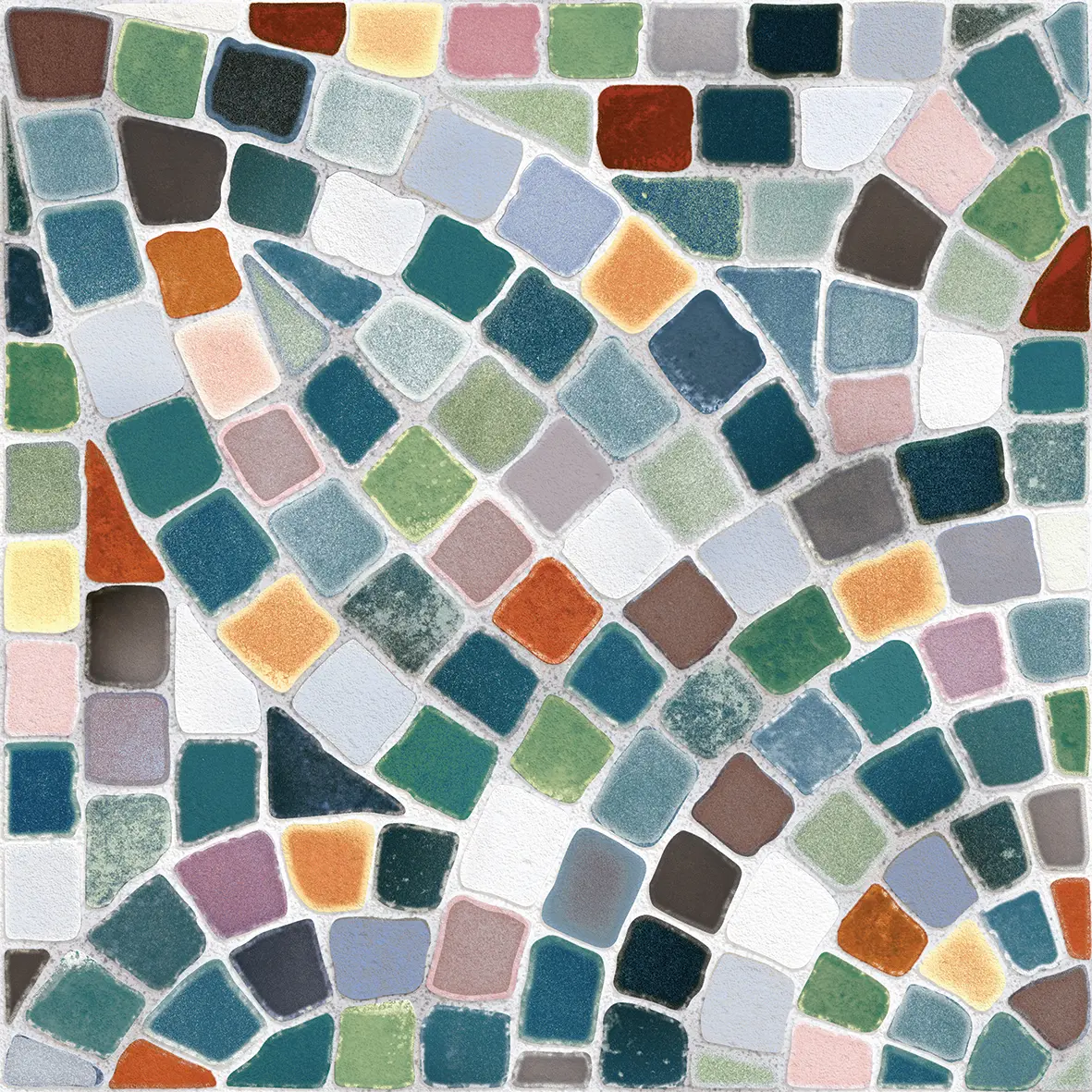
- A patterned floor works like a permanent outdoor rug. Our Kolum Multi pebble mosaic, in teal, green, rust, pink, cream and grey, is shown on a covered terrace and an outdoor dining area.
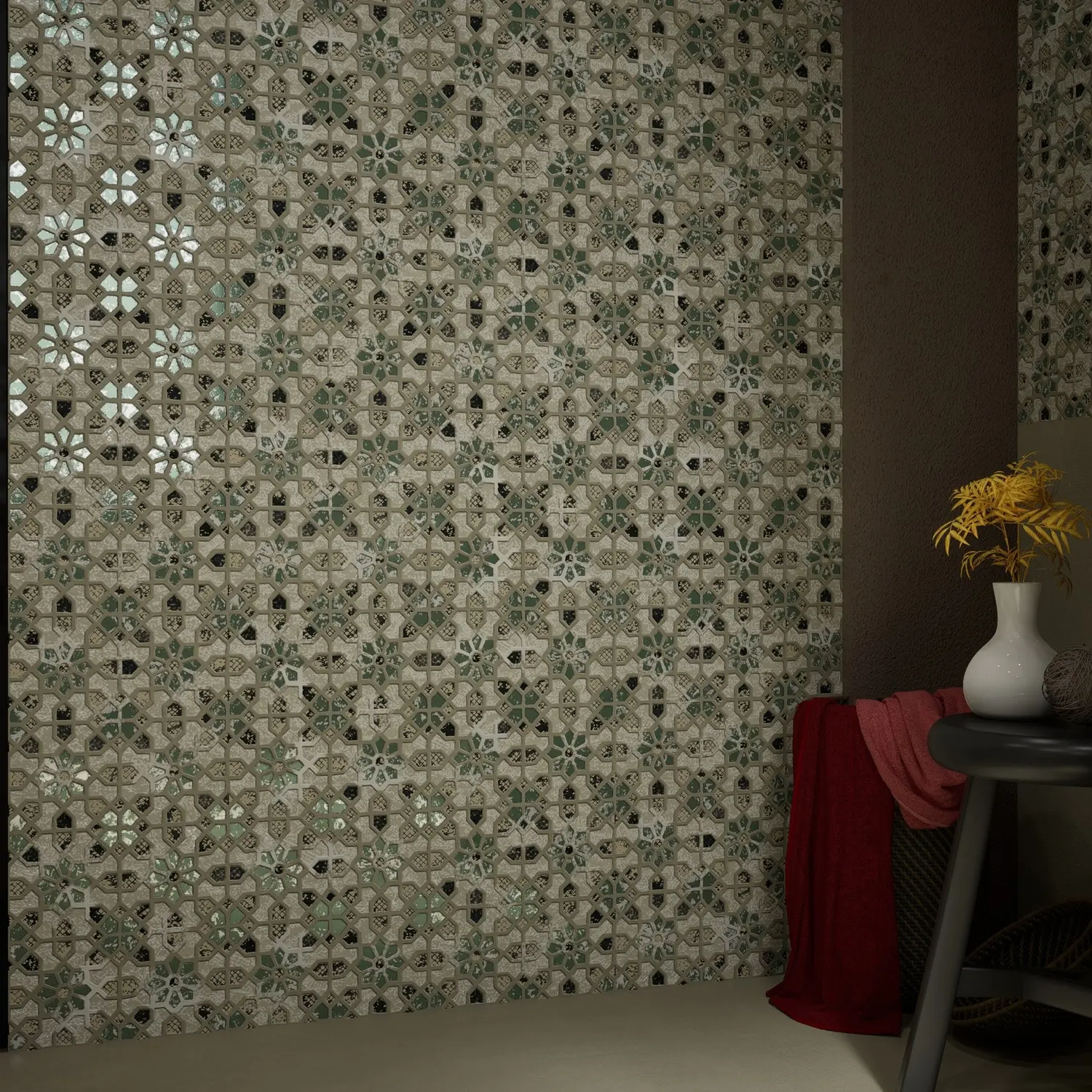
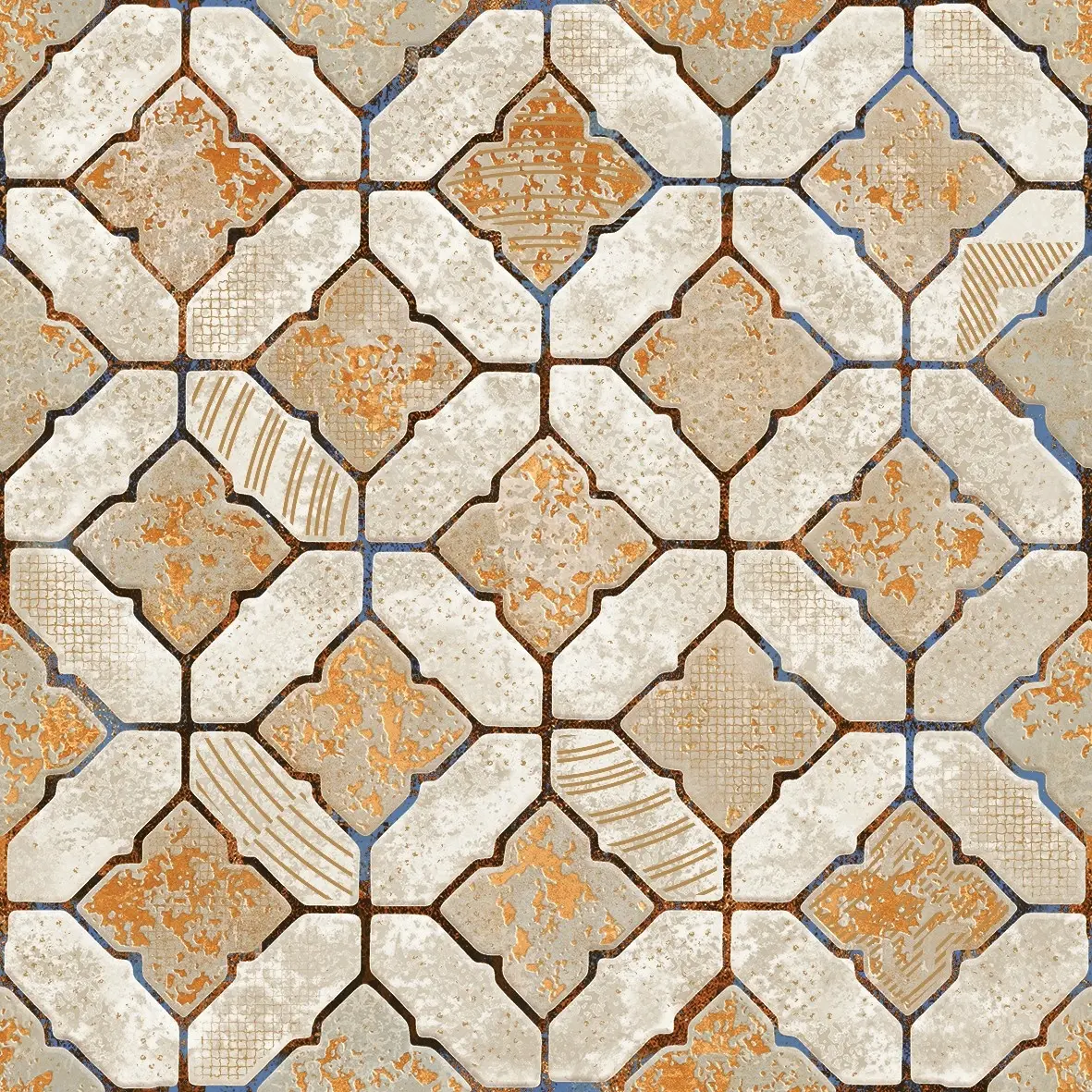
- Moroccan and graphic floors suit covered balconies: BW 01 black and white chevrons or Porto Fatima stars, both 300 × 300 mm and made for floors.


Wall tiles for balconies and terraces
The wall at the back of a balcony is seen from the living room all day, so it is the best place for a feature. On terraces, tiled walls frame seating, a barbecue or a garden.
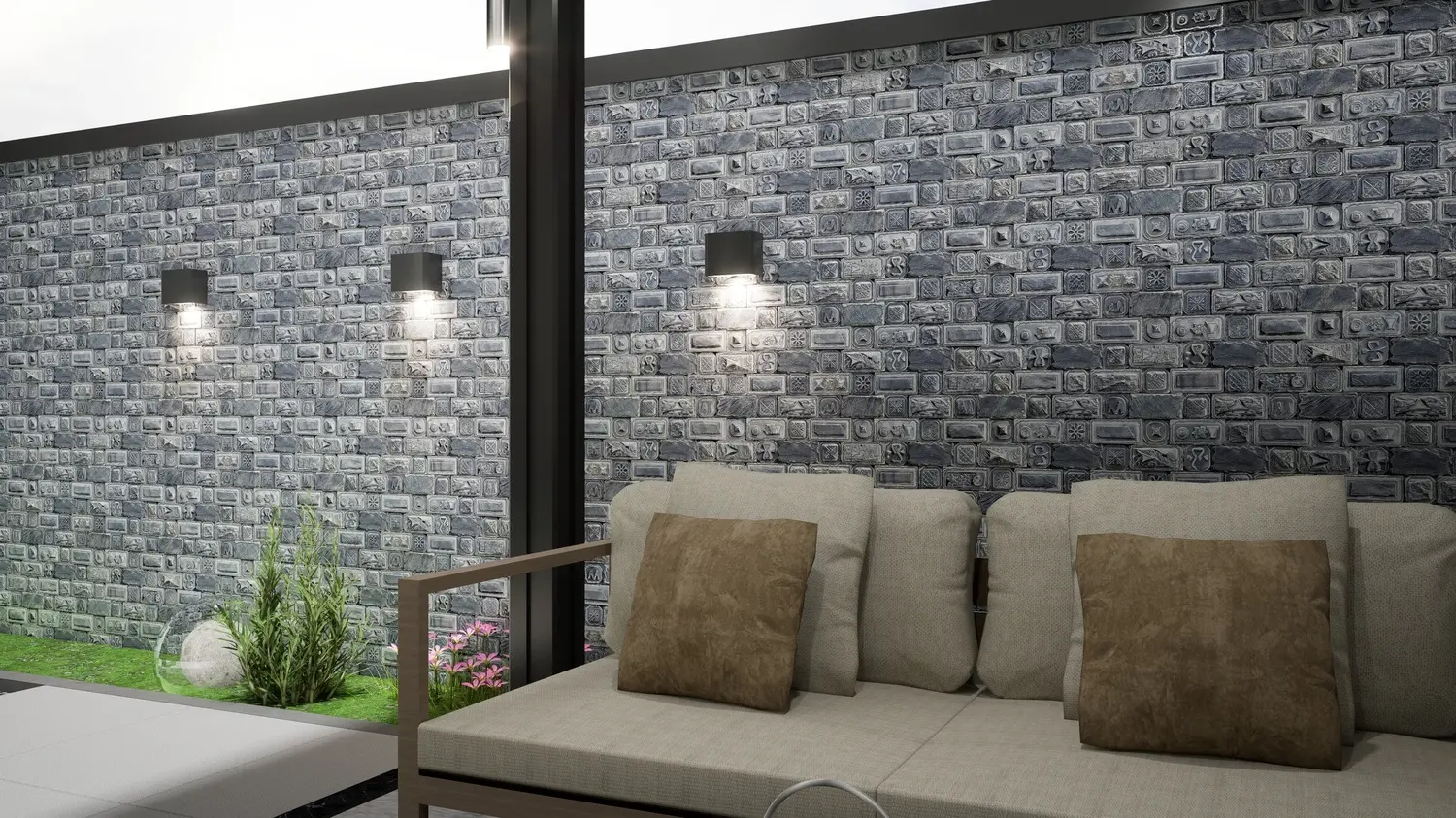
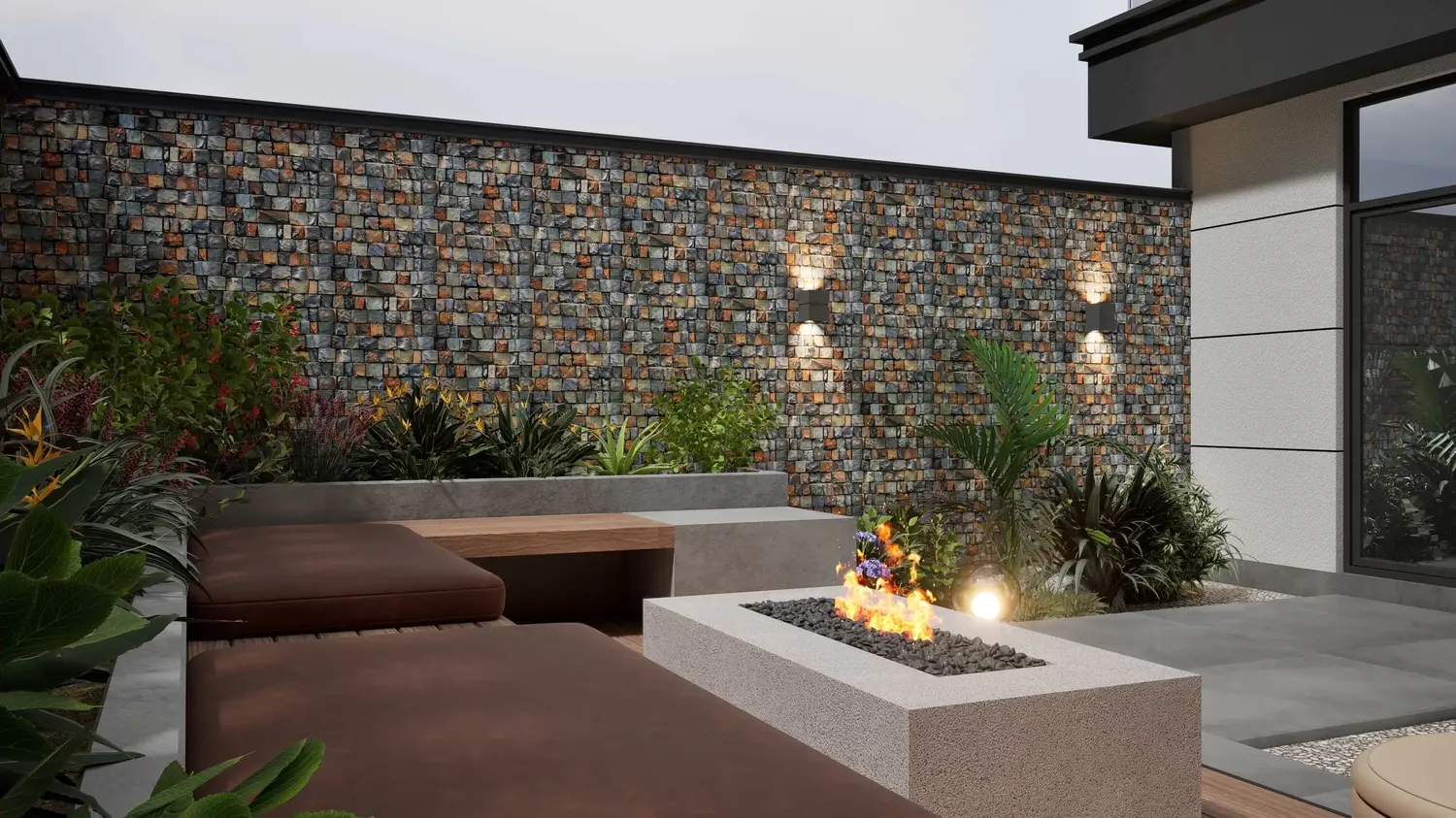
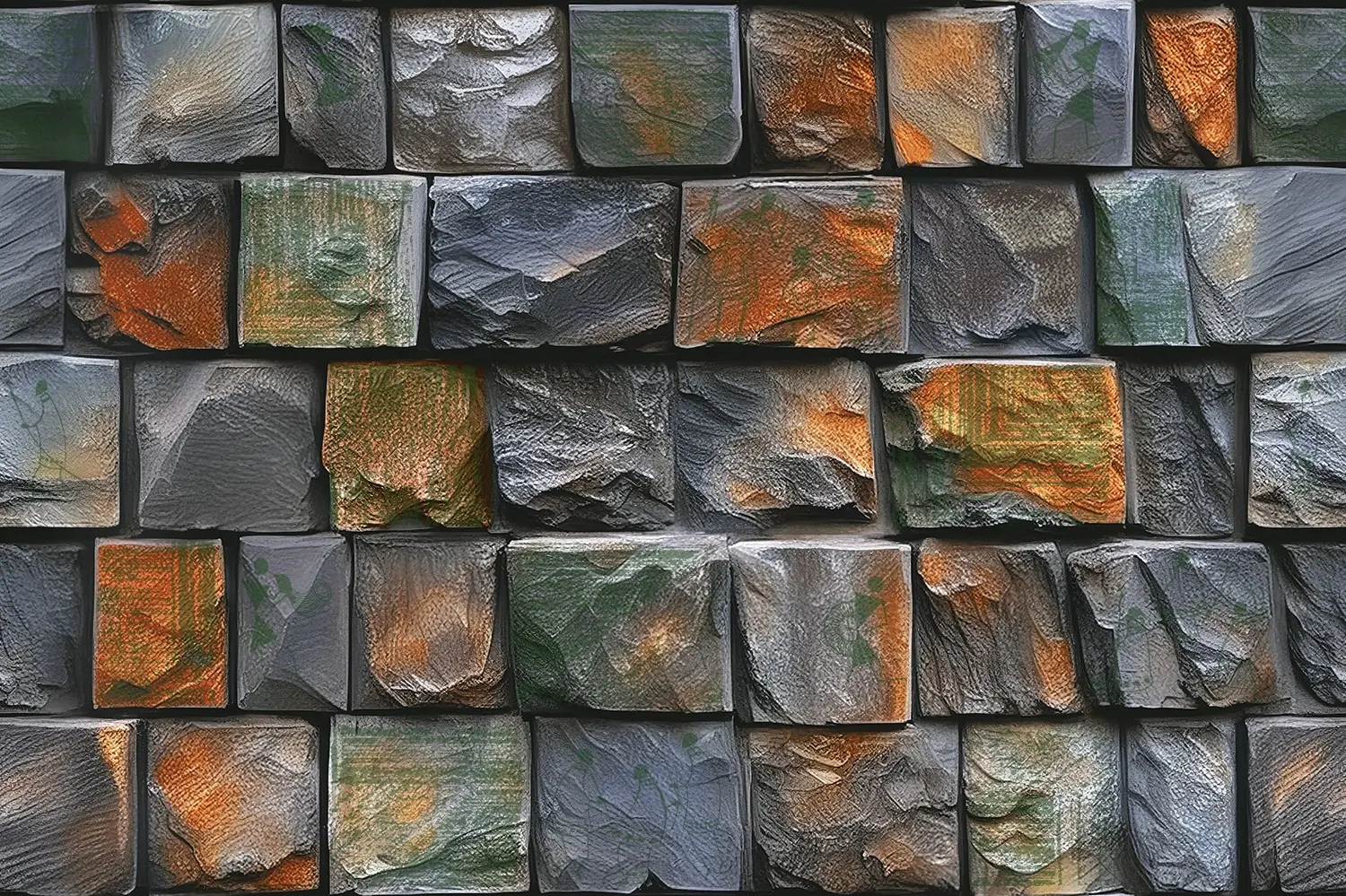
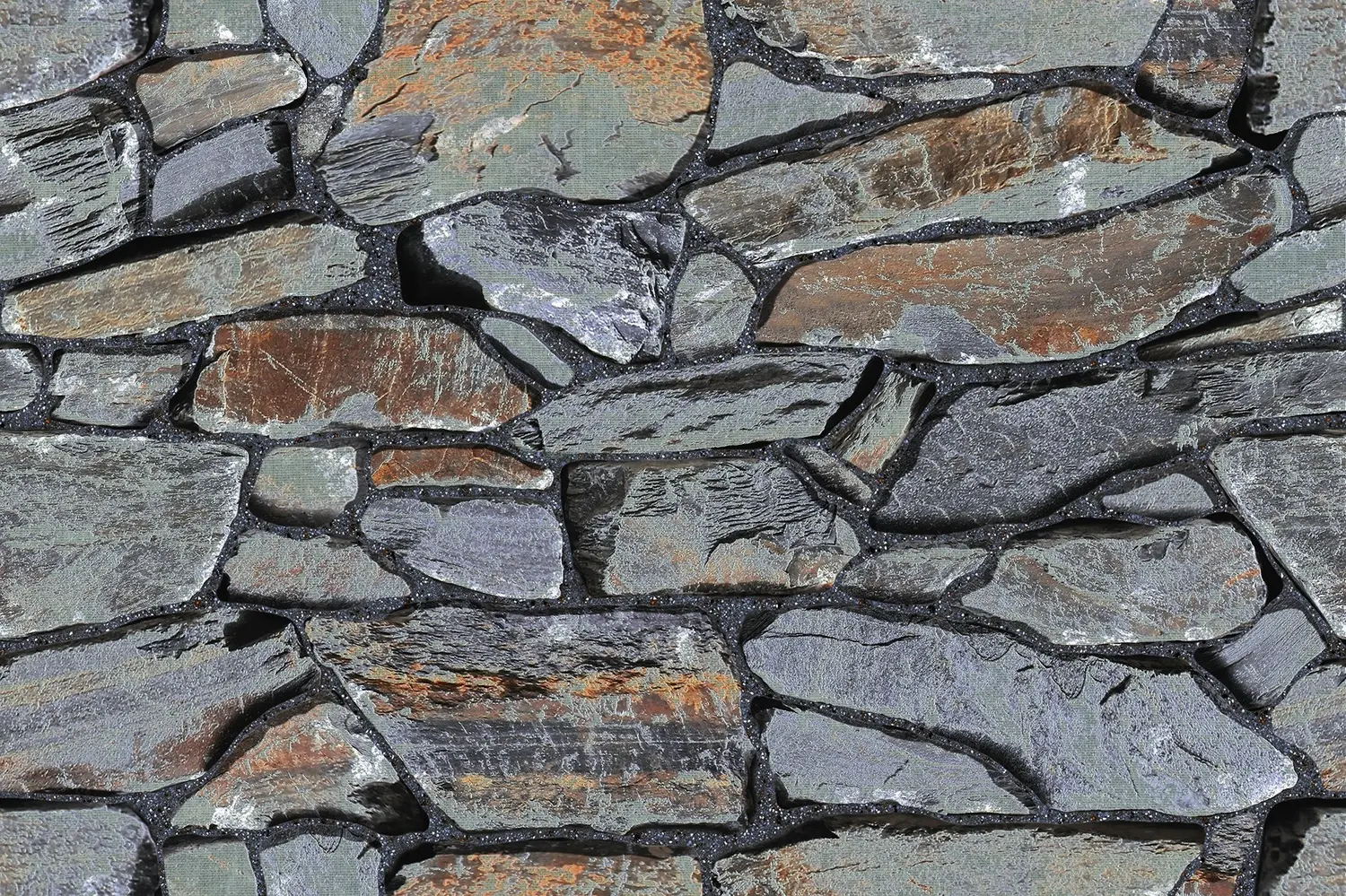
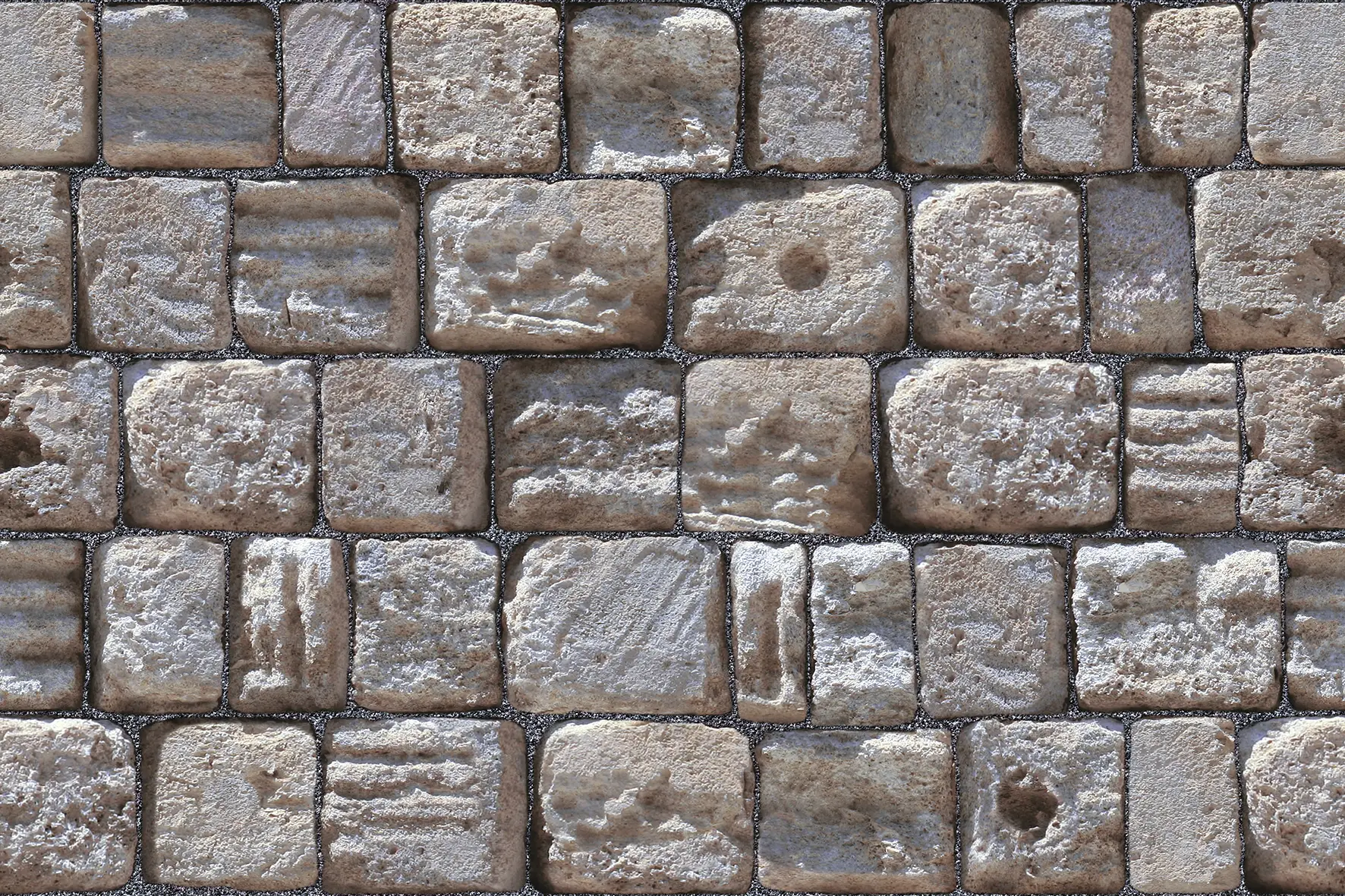
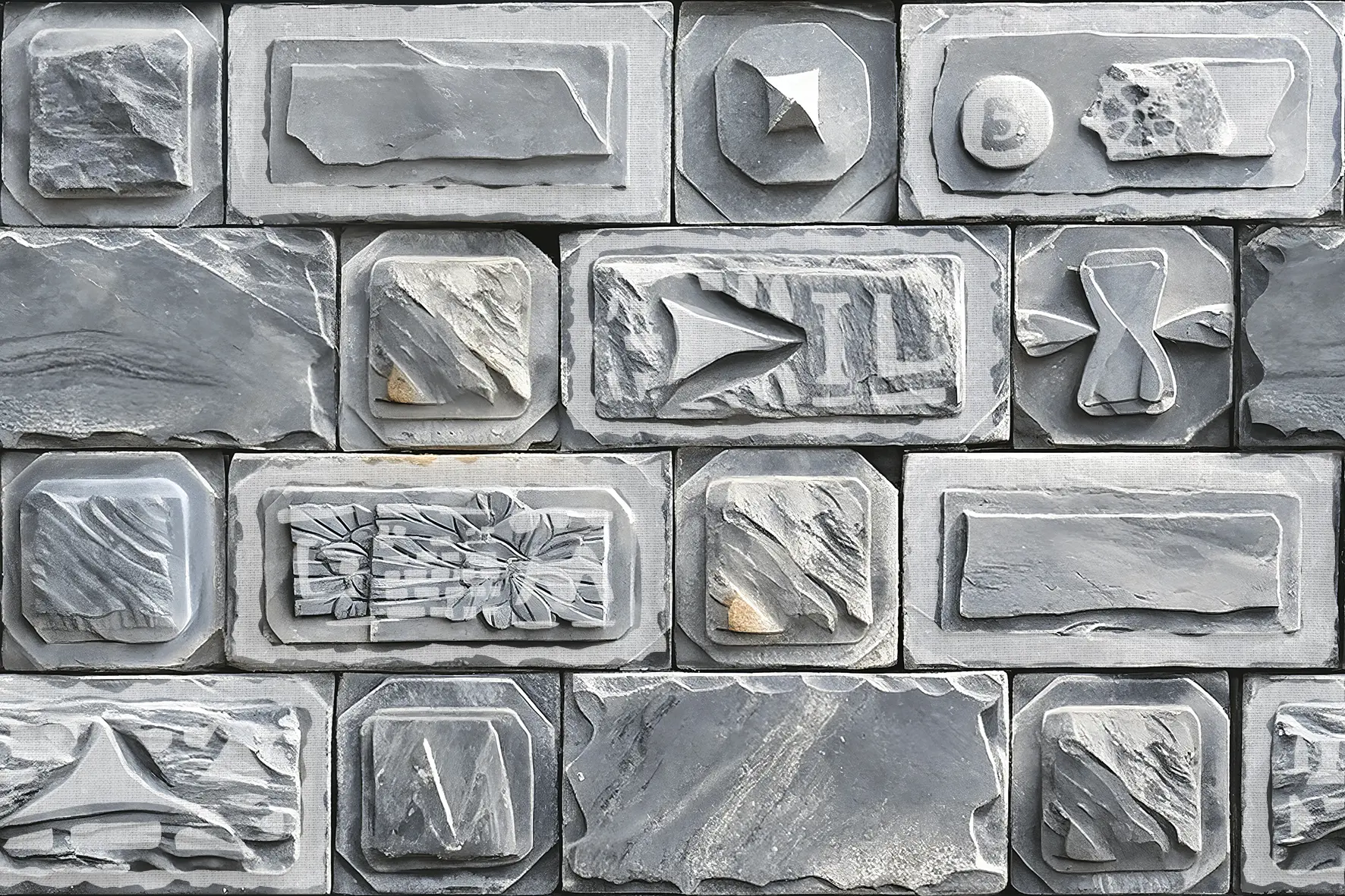
- Slate and stone: Augitoo Art (split-face slate with rust and green tones), shown on terrace walls around a fire pit and lounge, and Mudy Stone (irregular grey slate), shown on garden and terrace walls.
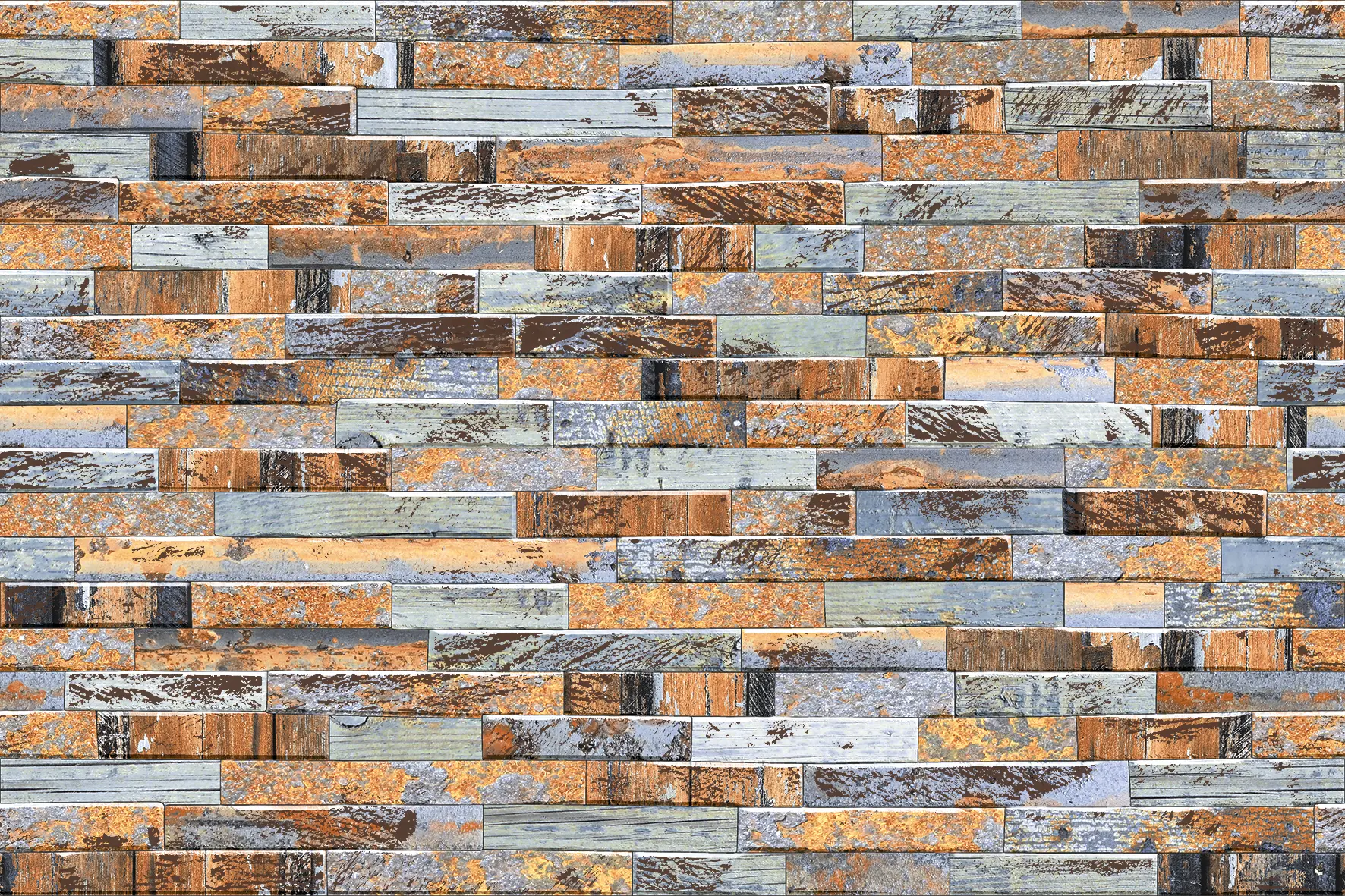
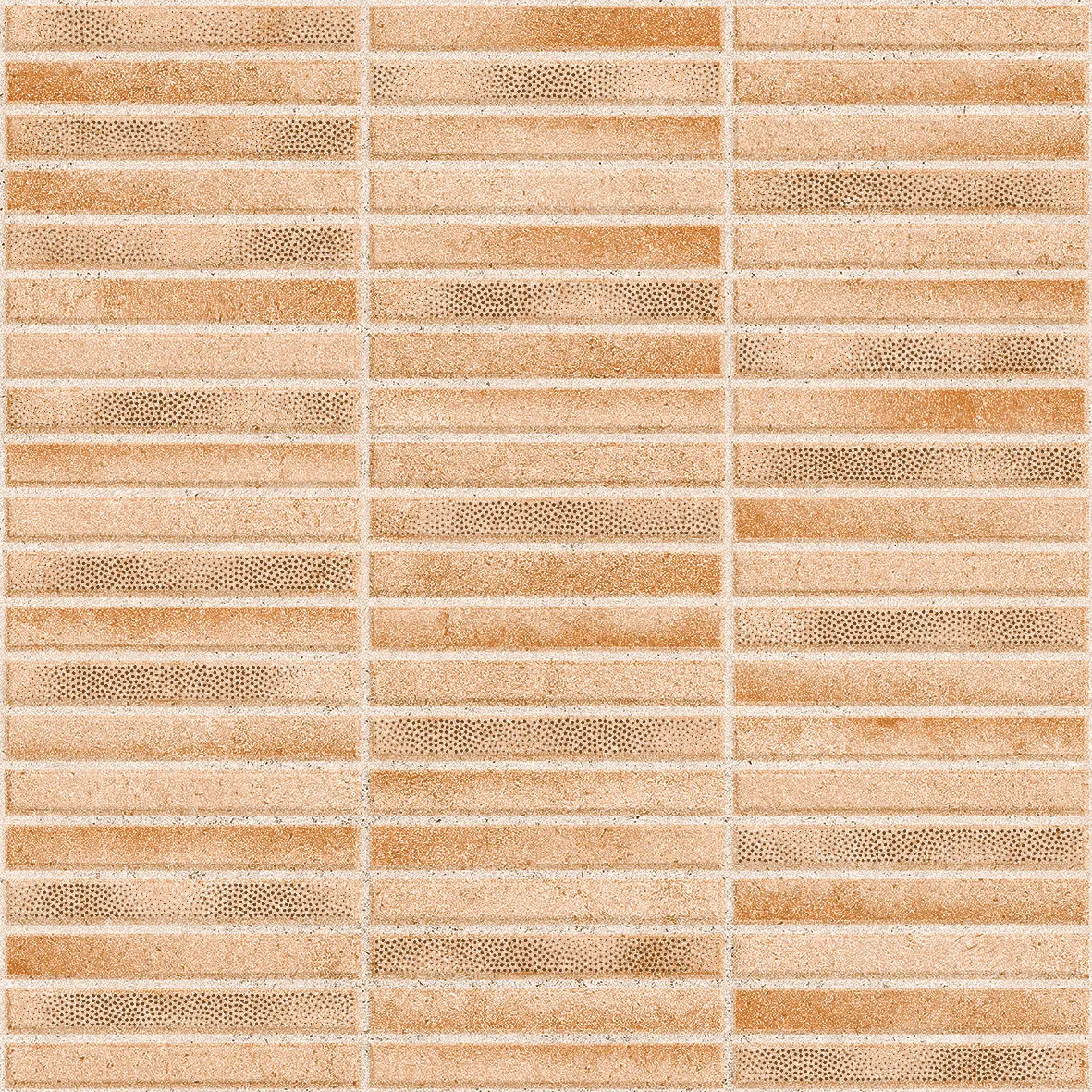
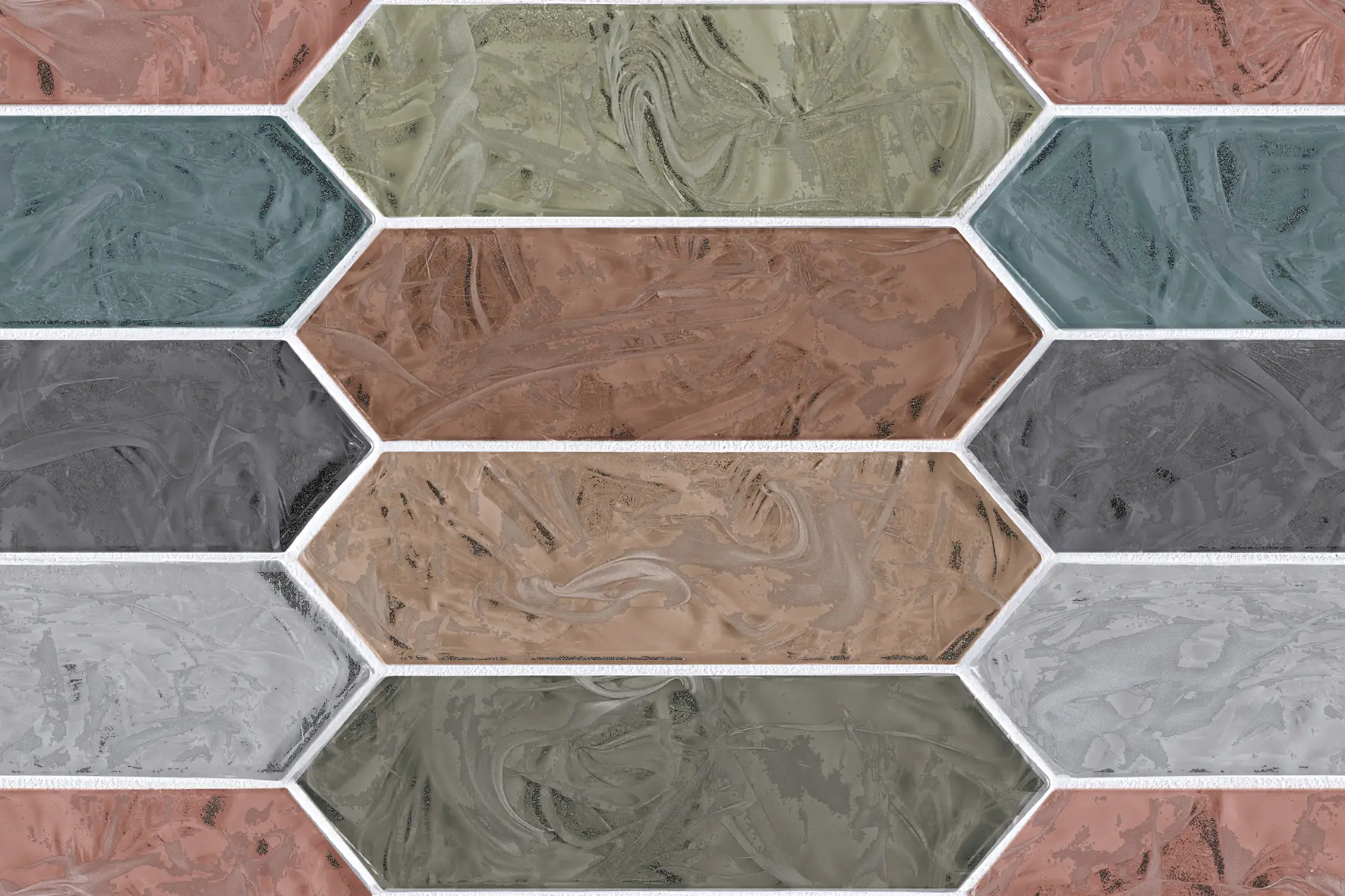
- Ledger stone: Coprica Pencil, thin stacked strips in rust, blue-grey and sand, shown on patio walls around outdoor seating and dining.
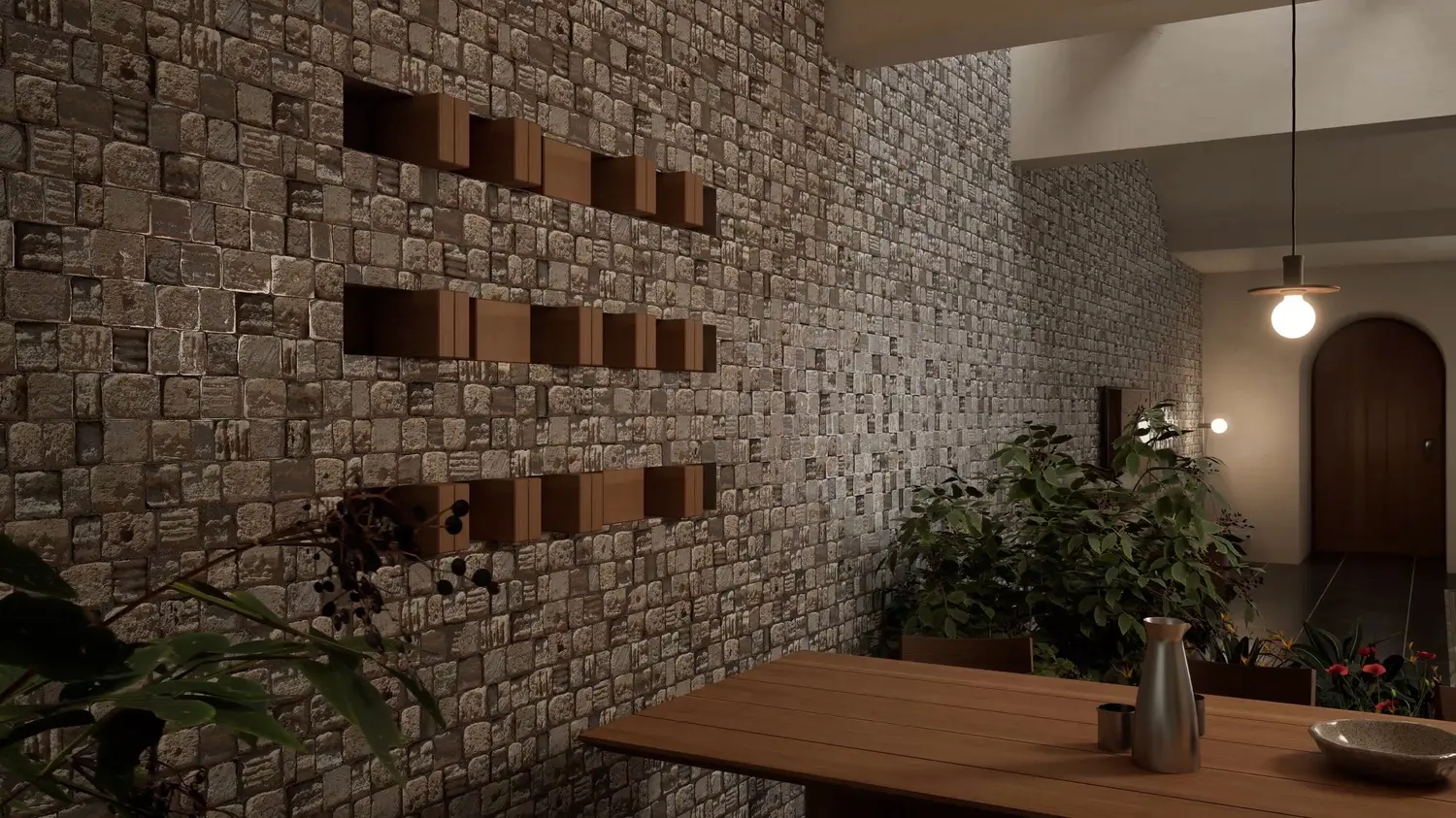
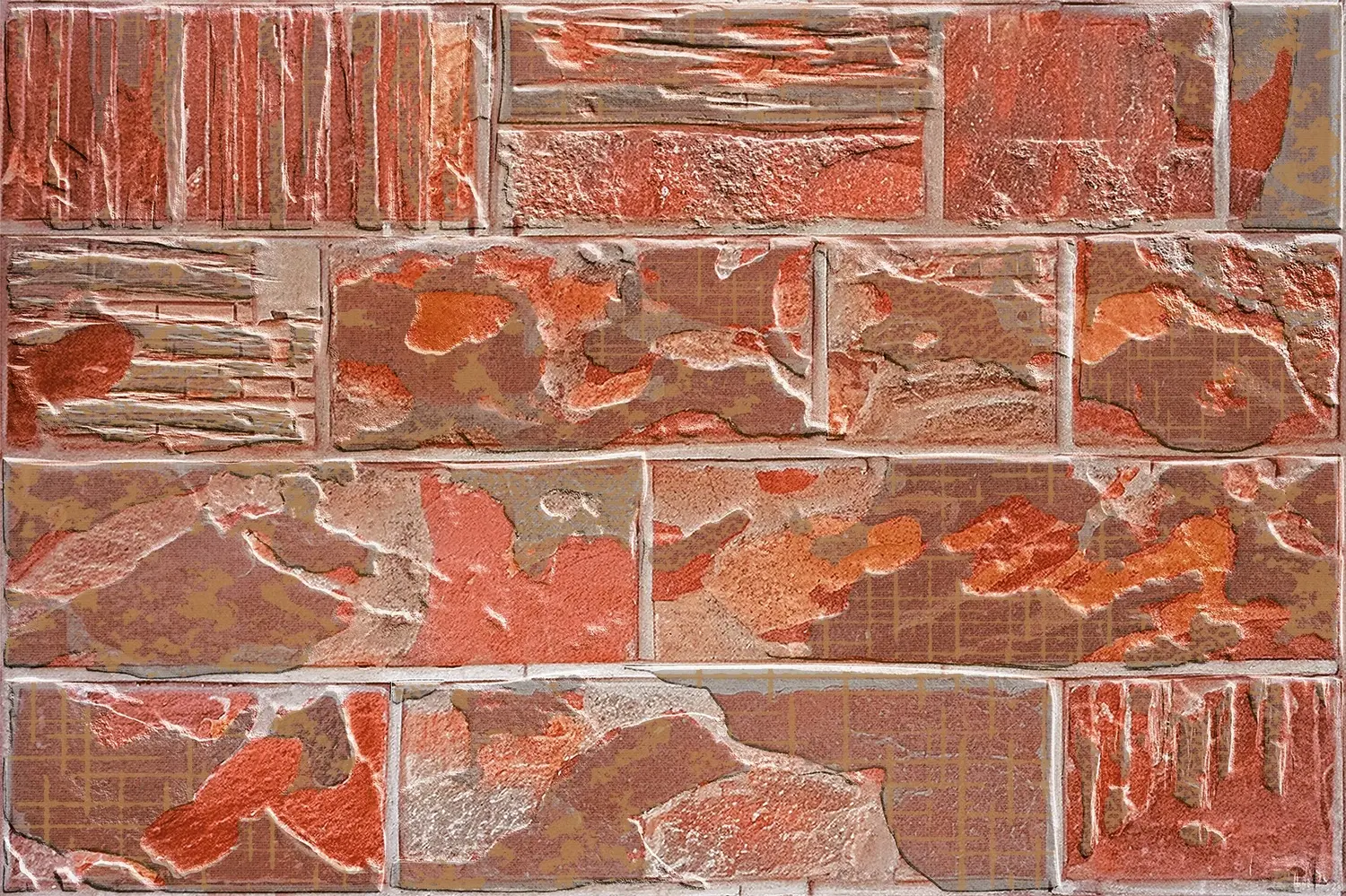
- Sandstone and brick: Jaspo Lalie, red sandstone blocks shown on terrace walls around an outdoor dining and barbecue area.
- Carved and block stone: Shiner Craft and Arritage Square, for a courtyard or an outdoor lounge.
- Terracotta and pattern: Elton Craft quatrefoils or Pigmento Beige strips for a warm, Mediterranean balcony.
Matt and rustic finishes look natural outdoors and hide rain streaks. See stone, brick, marble and mosaic look tiles for more looks.
Heat
A roof terrace in an Indian summer can reach temperatures that make the floor too hot to walk on and heat the rooms below. Tiles help if you choose well:
- Light-coloured floor tiles reflect more sunlight than dark ones and stay cooler underfoot.
- White heat-reflective (cool roof) tiles are made for roof terraces over rooms; they reflect much of the sun's heat.
- Shade (a pergola, creepers, a sail or an umbrella) does as much as any tile.
- Leave proper joints and movement joints, because tiles in full sun expand and contract every day.
Rain, slope and drainage
Water must leave a balcony or terrace quickly, or it will find its way into the slab, the walls and the room below.
- Slope. The floor needs a gentle fall to the drain or spout, typically about 1 in 100 (10 mm per metre). It is built into the screed under the tiles, not the tiles themselves.
- Drains. Keep drains and spouts clear of leaves and soil from planters, especially before the monsoon.
- Skirting. Run a tile skirting along the walls so water does not soak into the plaster at the bottom.
- Thresholds. The balcony floor should sit a little lower than the room inside, so water cannot run in.
Waterproofing
Any terrace over a room, and any open balcony, needs waterproofing under the tiles. Tiles and grout are not a waterproof layer on their own: water gets through joints and hairline cracks. A waterproof membrane or coating is applied to the slab, turned up the walls under the skirting, sealed around drains, and tested with water before tiling. Leaks in the room below are expensive to fix later, so this is the step not to save on.
Fixing outdoor tiles
- Use an improved C2 tile adhesive, ideally deformable (S1), with a full bed and no voids where water can sit.
- Leave joints of at least 3 mm and use an exterior-grade grout, or epoxy grout where planters and spills stain.
- Put movement joints around the edges, at doorways and across large terraces, filled with flexible sealant.
- Do not tile in strong midday sun or rain, which spoil the adhesive before it bonds.
- On walls, fix on sound cement plaster, never on paint or texture coating.
Our installation guide explains adhesive classes and joints.
Ideas for small balconies
- A rug of pattern: a patterned 300 × 300 mm floor in a small balcony makes it feel designed.
- One stone wall: a slate or ledger stone back wall with a couple of plants and a bistro set.
- A vertical garden: a stone or brick-look wall with planters fixed on it.
- Light and bright: light floor and wall tiles make a narrow balcony feel wider.
- Keep it low maintenance: mid-tone patterns hide the city dust that settles daily.
Ideas for terraces and roof decks
- Outdoor dining: a sandstone or brick-look wall behind a barbecue or dining table, with a patterned floor under the table.
- A lounge around a fire pit: slate-look walls, a light floor, low seating and warm lights.
- A terrace garden: stone-look walls behind raised planters, with paths in a patterned floor tile and gravel between.
- A yoga or reading corner: calm light floor tiles under a pergola.
- A party terrace: a feature wall for photographs, lit at night.
Outdoor kitchens and barbecue walls
A barbecue, tandoor or outdoor kitchen counter on a terrace needs a wall that copes with smoke, grease and heat. Glazed ceramic tiles wipe clean of soot and oil, and stone and brick looks suit the setting. Keep a gap between the tiles and any direct flame or very hot surface, as the grill maker advises, and use an epoxy grout behind the cooking area so grease does not soak in. Jaspo Lalie's red sandstone blocks are shown around exactly this kind of outdoor dining and barbecue area.
Edges, steps and parapets
- Steps from a terrace to a garden need slip-resistant treads and a visible front edge; use a contrasting tile or a step nosing so the edge can be seen at dusk.
- Parapet walls around a roof terrace can be clad in the same stone look as the walls, with a sloping coping on top so rain runs off rather than soaking into the wall.
- Planter boxes built into the terrace can be tiled outside in stone or brick looks; waterproof them inside first, because wet soil sits against them all year.
- Outside corners need tile trims or mitred edges, which also protect the tile edges from chipping.
Lighting a tiled balcony or terrace
Light makes outdoor tiles come alive after dark. Wall lights fixed above a stone-look wall, pointing down, graze the tiles and bring out their texture. Step lights set into a wall make steps safe. Warm white light (around 2700 to 3000 K) suits stone, brick and terracotta; use outdoor-rated fittings, and plan the wiring before tiling so the boxes sit at the finished tile level.
By climate and city
- Coastal cities such as Mumbai, Chennai and Kochi: humid air and salt settle on balconies, and monsoon rain is heavy. Choose glazed tiles that do not absorb salt, epoxy or exterior grout, and give drainage extra care. See our pages for Mumbai, Chennai and Kochi.
- Hot, dry regions such as Gujarat and Rajasthan: dust and heat are the challenges. Light, patterned, matt tiles hide dust and stay cooler; shade the terrace if you can. See Gujarat and Rajasthan.
- North Indian plains such as Delhi NCR and Lucknow: very hot summers and cool, foggy winters mean big temperature swings, so movement joints matter. See Delhi NCR.
- Hills such as Uttarakhand and Himachal Pradesh: frost can crack porous tiles and grout, so use frost-proof floor tiles outdoors. See Uttarakhand.
- The Gulf: intense sun and heat; light, matt, slip-resistant tiles and shade. See UAE and Oman.
Apartment balconies: practical points
Before you tile an apartment balcony, check the building's rules: some societies control the look of balconies seen from outside, and some restrict enclosing them. Do not raise the floor level much with thick screeds, as balconies are designed for a limited load; tiling over the existing tiles adds less weight than a new screed, if the old floor is sound and still drains. Keep the drain spout clear and the slope working, because water from your balcony can reach your neighbour's ceiling below.
Colours that work outdoors
Natural colours look right next to plants and sky: greys, rust, sand, terracotta, sage and stone. Bold colour works as a small accent, such as a teal planter wall or a Moroccan floor. For more pairings, see wall tile colour combinations; if you follow Vastu, see tile colours as per Vastu.
How many tiles for a balcony
Example: a balcony 4 × 10 ft with a back wall 10 ft wide and 9 ft high.
- Floor: 4 × 10 = 40 sq ft, plus 10% = 44 sq ft, in 300 × 300 mm tiles: 44 ÷ 7 = 6.3, so 7 boxes
- Back wall: 10 × 9 = 90 sq ft, plus 10% = 99 sq ft, in 300 × 450 mm tiles: 99 ÷ 7.5 = 13.2, so 14 boxes
- Skirting on the side walls: measure it separately and add it to the floor tiles
See how many tiles do I need for the full method.
Care through the year
- Sweep often; grit underfoot wears any floor.
- Wash with water and a mild detergent; scrub textured tiles with a soft brush.
- Treat green algae on shaded floors with a diluted bleach or an outdoor cleaner, and improve drainage.
- Before the monsoon, clear drains, check grout and sealant, and re-grout open joints.
- Lift planters onto feet so water does not stain the tiles underneath.
The cleaning guide covers stains and algae in more detail.
Mistakes to avoid
- Glossy tiles on an open floor.
- Wall tiles used on the floor.
- No slope, or a slope away from the drain.
- No waterproofing under a terrace over rooms.
- Dark floor tiles on a sunny roof.
- No movement joints on a large terrace.
- Tiles fixed on painted walls.
Furnishing a tiled balcony or terrace
Tiles are the backdrop; furniture makes the outdoor room. Choose weather-resistant pieces (powder-coated metal, teak, all-weather wicker), cushions that can be brought in during rain, and planters with saucers or feet so water does not stain the floor. A rug made for outdoor use can sit on a plain floor; on a patterned floor, leave the tiles uncovered. Add warm light, and the balcony becomes the favourite room of the house.
Privacy and shade
In cities, balconies often face neighbours. Tall planters, a jaali screen, bamboo blinds or a trellis with creepers give privacy without blocking air. On a roof terrace, a pergola with creepers or a shade sail gives shelter from the sun and makes the space usable in the afternoon. A tiled wall behind the seating area, in stone or terracotta, anchors the space and makes it feel like a room.


Planning a balcony or terrace? Contact us with its size and a photo, and we will suggest floor and wall designs and the boxes you need. For house fronts, see the exterior elevation tiles guide.